
Healey Administration Urges Massachusetts Residents to Get Vaccinated Ahead of Holiday Season
State health officials recommend flu and COVID-19 vaccines for everyone 6 months and older, while encouraging eligible residents to get protected against RSV.
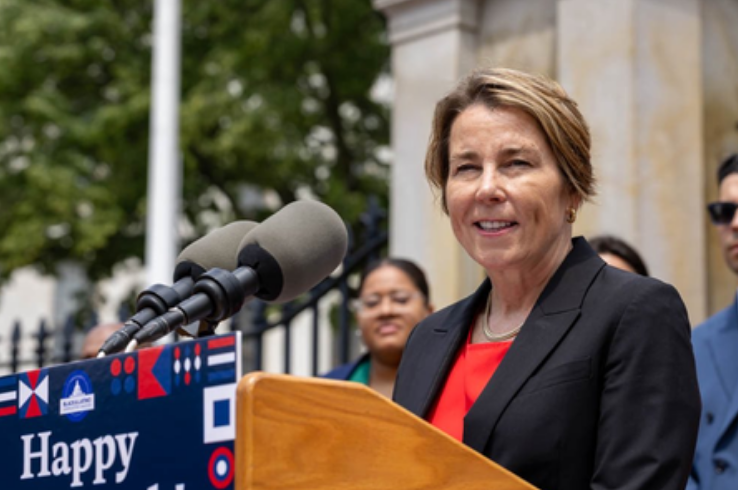

BOSTON — With respiratory illness season underway and holiday gatherings approaching, the Healey-Driscoll administration is urging Massachusetts residents to get vaccinated against influenza, COVID-19 and respiratory syncytial virus (RSV).
The Massachusetts Department of Public Health (DPH) says vaccination is one of the most effective ways to prevent severe illness and hospitalization as families and friends prepare to gather indoors during the colder months.
“Vaccines are safe, effective, and save lives,” Gov. Maura Healey said, emphasizing the state’s efforts to preserve access to vaccines based on scientific evidence and guidance from medical experts. She encouraged residents to get recommended vaccines to protect themselves, their loved ones and their communities during the holidays.
Public Health Commissioner Robbie Goldstein, MD, PhD, also urged residents to get their updated seasonal vaccines as soon as possible.
“Vaccination remains our simplest and most effective tool for preventing severe respiratory illness and hospitalization,” Goldstein said, adding that higher vaccination rates can help Massachusetts residents enjoy a safer and healthier holiday season.
DPH recommends that everyone 6 months of age and older stay up to date on flu and COVID-19 vaccines. Both can take up to two weeks to provide their full protective effect against infection, serious illness and hospitalization.
RSV vaccination is also recommended for several groups, including pregnant people, newborns, adults 75 and older, and many adults 50 and older.
Flu, COVID-19 and RSV are among the respiratory viruses most likely to cause severe disease, hospitalization and, in some cases, death.
Vaccines are available through healthcare providers and local pharmacies. The state’s Vaccine Program also distributes free or low-cost vaccines to local boards of health, community health centers and clinical partners, helping residents access immunizations regardless of insurance status.
DPH published updated vaccine recommendations in September and revised model standing orders for local boards of health and licensed pharmacists to facilitate vaccine administration across healthcare settings.
Residents can also monitor respiratory virus activity through the department’s Viral Respiratory Illness Reporting dashboards, which provide statewide and community-level information on emergency department visits, hospitalizations, laboratory positivity and wastewater surveillance. A separate Respiratory Immunizations Dashboard tracks vaccination rates. Both dashboards are updated weekly on Thursdays.
State Epidemiologist Dr. Catherine Brown said current data show COVID-19 actively circulating, while flu activity remains low but is increasing. RSV activity also remains low statewide.
“Now is the ideal time to get vaccinated as the viral respiratory illness season is beginning to ramp up,” Brown said. She described vaccination as one of the best ways residents can protect themselves, their loved ones and their communities during the holiday season.
Health officials also recommend additional precautions, including staying home and getting tested when feeling sick, washing hands frequently and covering coughs and sneezes. People who test positive for flu or COVID-19 should consult their healthcare providers about available treatments.
The administration’s vaccination campaign comes amid broader disagreements with the federal government over vaccine policy. Healey has taken steps to preserve access to vaccines based on state public health guidance, including signing legislation last year allowing DPH to establish independent, science-based vaccine recommendations.
She also directed insurers to continue covering vaccines recommended by DPH, regardless of federal recommendations, and authorized statewide standing orders to make it easier for eligible residents to receive flu and COVID-19 vaccines at pharmacies and local boards of health.
Massachusetts has also joined other Northeastern states in coordinating vaccine recommendations and protecting access to evidence-based care.