Experts Urge More Skilled Surgeons for Complex Revision Knee and Hip Surgeries in India
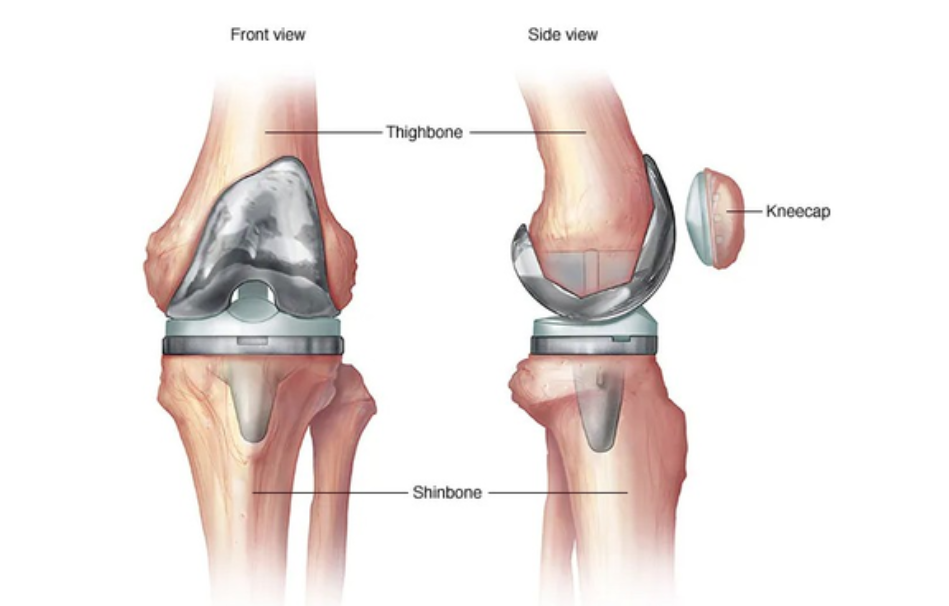

New Delhi— With India’s ageing population and the growing number of artificial joint failures, experts are calling for an urgent increase in the number of skilled surgeons capable of performing revision knee and hip replacement surgeries.
Revision knee and hip replacement, known as Revision Arthroplasty, is required when an implant loosens, wears out, or fails. Artificial joints typically last 20 to 25 years, after which complications may necessitate surgical intervention.
“In India, many elderly patients have undergone joint replacements over the past 15-20 years, largely due to degenerative arthritis. As these implants age, the demand for revision surgeries is expected to rise,” said Prof. Vijay Kumar, Department of Orthopaedics, AIIMS.
He added that revision surgeries are far more complex than primary replacements because surgeons must remove existing implants, address bone loss, and manage complications such as infections or instability.
Dr. Samarth Mittal, Additional Professor, Orthopaedics, JPNA Trauma Centre, AIIMS, highlighted that the shortage of trained surgeons could lead to premature implant failures, repeated operations, higher healthcare costs, and long-term functional limitations for patients.
Speaking at the three-day Revision Arthroplasty Conference (RAC) 2025, Dr. Anil Arora, a robotic knee and hip replacement specialist and RAC organising chairman, stressed that trained revision surgeons are no longer optional but essential in India.
“Revision surgeries require advanced implants, precise instrumentation, meticulous planning for bone loss, and expertise in handling aseptic loosening, periprosthetic fractures, infections, and instability,” Dr. Arora said.
Experts concluded that India must invest in specialised training programs to build a larger workforce of skilled revision surgeons to meet the growing healthcare needs of patients with ageing implants. (Source: IANS)