


WASHINGTON, D.C. — The Centers for Disease Control and Prevention has adopted a revised U.S. childhood immunization schedule that reduces the number of vaccines recommended for all children, following a federal review comparing American vaccination practices with those of other developed nations.
The change was formalized through a decision memorandum signed by Acting CDC Director Jim O’Neill, who said the revised schedule is intended to focus on protection against the most serious infectious diseases while improving clarity, adherence, and public confidence.
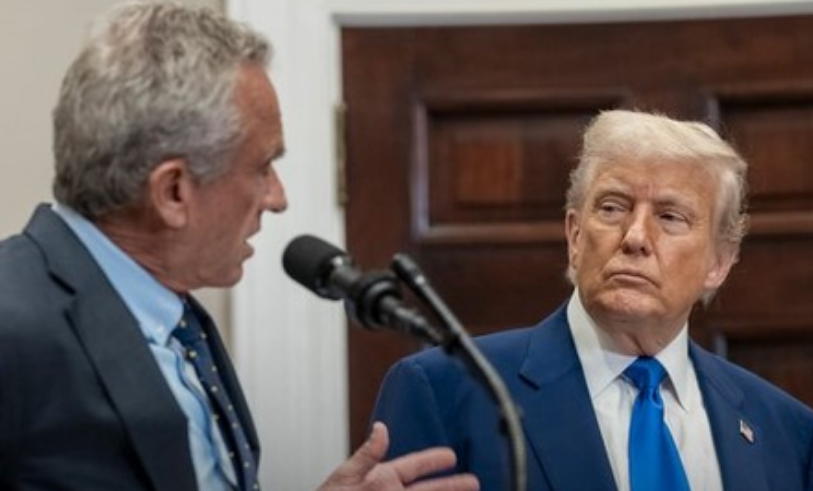
President Donald Trump announced the updated schedule earlier Monday, describing it as a significant overhaul of public health policy. He said the new framework would reduce what he characterized as excessive vaccinations and align the United States more closely with other developed countries.
Under the revised schedule, vaccines will continue to be organized into three categories: those recommended for all children, those recommended for specific high-risk groups or populations, and those administered based on shared clinical decision-making between physicians and families.
Vaccines recommended for all children will include immunizations against measles, mumps, rubella, polio, pertussis, tetanus, diphtheria, Haemophilus influenzae type B, pneumococcal disease, human papillomavirus, and varicella, commonly known as chickenpox.
Federal health officials emphasized that insurance coverage will not be affected by the changes. The Centers for Medicare and Medicaid Services said all vaccines currently recommended by the CDC will remain covered by insurance plans without cost sharing, ensuring continued access for families.
Health and Human Services Secretary Robert F. Kennedy Jr. said the review was prompted by international comparisons and declining public trust in public health institutions. He said the administration examined vaccination practices in other developed countries and moved to align the U.S. schedule with what he described as an international consensus while increasing transparency and informed consent.
The decision immediately drew sharp criticism from Democratic lawmakers and public health advocates, who warned that the revised schedule could weaken protections against preventable diseases. Senate Finance Committee Ranking Member Ron Wyden said the changes risk increasing illness and deaths at a time when the United States is experiencing its highest measles rates of the 21st century.
Senator Kirsten Gillibrand said the administration was prioritizing pseudoscience over children’s health, while Representative Kim Schrier, a pediatrician, said the decision ignored decades of research and could lead to higher rates of hospitalization and preventable deaths among children.
CDC documents accompanying the decision said the agency reviewed immunization practices in 20 peer developed nations and found that the United States recommends more routine childhood vaccine doses than any of them, without achieving higher vaccination rates.
Food and Drug Administration officials said public trust is central to effective public health policy, emphasizing transparency and rigorous scientific review. Critics of the change, however, argued that the revised schedule reflects political considerations rather than medical consensus.
Childhood immunization schedules in the United States are developed through federal health agencies, while individual states retain authority over school vaccination requirements. Vaccines for diseases such as measles, polio, and whooping cough have long been credited by health authorities with significantly reducing childhood illness and mortality. (Source: IANS)