
Democrats Introduce Bill to Expire Old Deportation Orders Following Sikh Grandmother’s Removal to India

WASHINGTON–Four Democratic lawmakers have introduced legislation that would allow longstanding deportation orders to expire after 10 years and provide certain immigrants with an opportunity to seek permanent residency, citing the case of a Sikh grandmother deported to India after living in the United States for more than three decades.
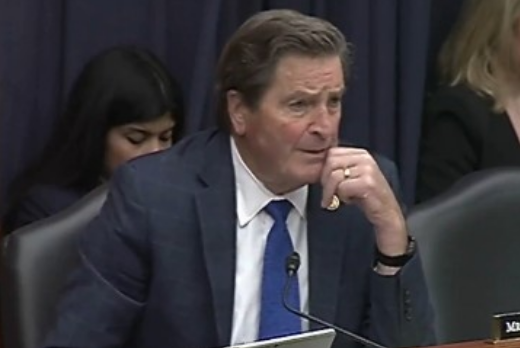
Representatives Lateefah Simon, John Garamendi, Zoe Lofgren and Juan Vargas, all Democrats from California, announced the Protect Our Neighbors Act on Thursday.
The proposed legislation was inspired in part by the deportation of Harjit Kaur, a Sikh grandmother who had lived in the United States since the early 1990s.
Kaur was detained during a routine immigration check-in in September 2025 and subsequently deported to India, despite having regularly reported to immigration authorities every six months for more than 13 years.
According to Garamendi’s office, Kaur had established deep family and community connections during her decades in the United States. Her deportation prompted concerns about the treatment of longtime residents who remain subject to removal orders issued many years earlier.
Kaur’s family welcomed the proposed legislation while describing the emotional impact of her deportation.
“We are still traumatized and horrified by the cruel treatment of our grandmother one year ago,” the family said in a statement released by Simon’s office.
Family members described Kaur as an important presence in their lives and community, noting that she had helped raise children and grandchildren during her years in the United States.
Under the proposed Protect Our Neighbors Act, final deportation orders would expire automatically 10 years after they were issued.
However, immigration judges would retain the authority to renew expired orders at the request of the Secretary of Homeland Security under specific circumstances.
To obtain a renewal, the government would need to provide clear and convincing evidence demonstrating significant reasons for the delay that were unrelated to administrative difficulties or funding constraints.
Officials would also have to present new evidence establishing that renewing the deportation order would serve the public interest.
The legislation would allow certain immigrants whose removal orders have expired without renewal to apply for lawful immigration status for which they otherwise qualify.
Applicants would need to demonstrate at least 10 years of continuous residence in the United States and have no convictions for offenses punishable by more than one year in prison.
The proposal would also prevent authorities from renewing an expired deportation order while an eligible immigrant’s application for lawful status remained pending.
A separate provision would establish a discretionary pathway to permanent residency for certain immigrants who are physically present in the United States and have longstanding removal orders based on specified immigration grounds.
Applicants seeking relief under that provision would be required to pay an application fee capped at $1,200 and submit a certified copy of their most recent federal income tax return.
The bill would not automatically grant permanent residency to individuals whose deportation orders expire. Eligible immigrants would still need to apply for immigration benefits and satisfy the applicable requirements.
Supporters of the legislation argue that individuals who have lived in the United States for decades, maintained employment and established families should have an opportunity to resolve their immigration status.
“We need a sensible immigration policy for those who have resided peacefully for a long time in America,” Lofgren said.
The lawmakers said Kaur’s experience illustrates the uncertainty facing immigrants who have complied with immigration reporting requirements for years while remaining subject to old deportation orders.
Garamendi’s office confirmed that Kaur remains in contact with her family following her return to India.
The Protect Our Neighbors Act would represent a significant change to federal immigration enforcement by placing time limits on certain removal orders and creating additional opportunities for longtime residents to seek legal status.
The measure must pass both chambers of Congress and be signed into law before any of its provisions could take effect. (Source: IANS)