Khalistani Extremists Tarnish Sikh Diaspora’s Image by Misusing Gurdwaras, Report Says
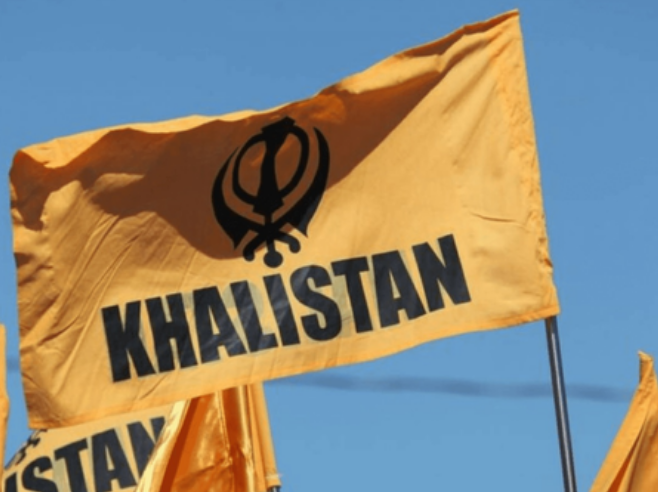

Ottawa — Khalistani extremist groups are damaging the reputation of the Sikh diaspora abroad by misusing Gurdwaras, glorifying militants and promoting separatist politics, even as most Sikhs reject violence and extremism, according to a report in Khalsa Vox.
The report said Sikh communities in Canada, the United States, the United Kingdom and other countries have long been known for hard work, entrepreneurship, public service and civic contributions. However, it argued that extremist groups have attempted to link Sikh identity with figures associated with violence, creating suspicion and straining relations with other communities.
Khalsa Vox cited the 1985 bombing of Air India Flight 182, which killed 329 people, most of them Canadians, as one of the most painful examples of Khalistani-linked violence. The report said honoring Talwinder Singh Parmar, the Babbar Khalsa leader accused of masterminding the attack, dishonors the victims and the many Sikhs who condemned the bombing.
“In a video circulating on social media, the ugly underbelly of certain Sikh institutions abroad stands exposed. Photos of armed militants and Talwinder Singh Parmar — the Babbar Khalsa leader and mastermind behind the 1985 Air India Flight 182 bombing that killed 329 innocent people, mostly Canadians — adorn Gurdwaras in Canada, the US, the UK, and beyond,” the report said.
The report said some Gurdwaras, which are meant to be places of worship, equality and service, have been turned into platforms for political extremism.
“Politicians pay visits, governments dispense taxpayer grants, and extremists openly glorify terror. This is not devotion. It is a desecration. Gurdwaras, meant as sanctuaries for worship, equality, and service, have been twisted into platforms for a violent political agenda. This perversion shames the entire Sikh community and tramples the core teachings of our Gurus,” it said.
The report noted that the Khalistan movement, which seeks a separate Sikh state, emerged from the turmoil in Punjab during the 1980s, including Operation Blue Star, the assassination of Prime Minister Indira Gandhi and the anti-Sikh riots that followed.
While those events caused deep suffering and legitimate grievances within the Sikh community, the report argued that using that trauma to glorify terrorists does not serve Sikhs in Punjab today, most of whom reject separatism. Instead, it said, such activity risks spreading division and violence overseas.
Khalsa Vox also referred to reports of Khalistani activists taking control of Gurdwaras, organizing unofficial “referendums,” displaying images of Jarnail Singh Bhindranwale and clashing with moderate Sikhs and members of other communities. It said attacks on Hindu temples and some Gurdwaras in Canada reflect a wider atmosphere of intolerance.
Calling the viral video a “wake-up call,” the report said Khalistani extremists are undermining the values of Sikhism and harming a community widely respected for its service and spiritual traditions.
“What should evoke pride—Sikh resilience, charity, and martial tradition in service of dharma—now risks association with shame. The Gurus taught courage in the face of injustice but also wisdom to discern righteous action from destructive rage. Khalistan extremists, by hijacking sacred institutions, betray that wisdom. They bring disrepute to a community known for its contributions and spiritual depth,” the report said. (Source: IANS)