
U.S. actions helped keep oil prices near $100, Treasury secretary says
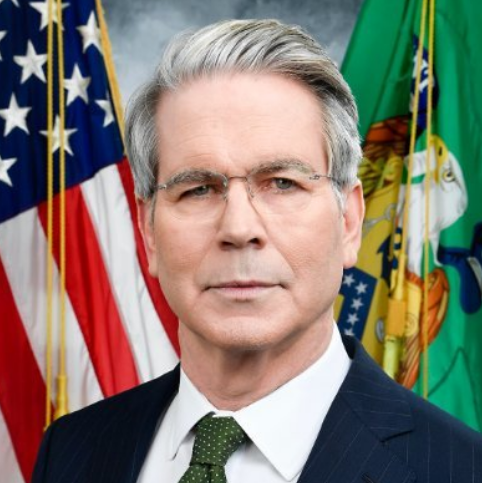

WASHINGTON — U.S. Treasury Secretary Scott Bessent said government actions helped prevent global oil prices from surging to $150 per barrel, keeping them closer to $100 amid ongoing geopolitical tensions.
Testifying before a Senate panel, Bessent said decisions on sanctions and supply played a key role in stabilizing energy markets during the current conflict.
“If we had not done that sanctions relief, they might have been at $150,” he said, adding that global markets remained “very well supplied.”
He said the approach was designed to support both domestic consumers and international partners.
“Just as you are concerned about gasoline prices for the American consumer and for our Asian allies, as are we,” Bessent said.
His remarks reflect a calibrated U.S. strategy that seeks to balance geopolitical pressure with the need to maintain stable global energy flows, particularly for major importers such as India.
Bessent also rejected claims that sanctions relief had significantly benefited countries such as Iran or Russia.
“The $14 billion is a myth,” he said, disputing assertions that Tehran had gained substantial revenue.
He added that maintaining supply at lower effective prices limited overall gains for producers.
“If Russia was… selling their oil at a 20 percent discount… 100 percent of 100 is less than 80 percent of 150,” he said.
Beyond energy, Bessent highlighted the Treasury Department’s focus on digital finance, pointing to funding for implementing the GENIUS Act and building expertise in digital assets and global financial markets.
He said maintaining U.S. leadership in financial innovation is key to preserving the dollar’s global role, noting that digital assets could become “a very important payment rail.”
At home, Bessent emphasized efforts to modernize the Internal Revenue Service with a technology-driven, “digital first” approach.
He said electronic filing rates have increased while costs have declined. “Paper processing costs have gone from $45 million to $20 million,” he noted.
The IRS is also using data tools to improve compliance.
“We actually… can go back to a taxpayer and say that you will likely be audited… would you like to redo it in advance?” Bessent said.
He added that such measures are delivering stronger results even with lower spending. “We believe in outcomes,” he said.
Lawmakers raised concerns about the broader economic impact of the administration’s policies.
Sen. Jack Reed warned that cuts to IRS enforcement could weaken revenue collection.
“Every dollar the agency invests in enforcement brings $11 back from tax cheats,” he said, adding that Americans are “paying more at the pump and for other everyday necessities.”
Bessent countered that higher spending does not necessarily lead to better results.
“We haven’t seen that… that more money equals better outcomes,” he said. (Source: IANS)