China’s Global Influence Limits Recognition of Tibetan Government-in-Exile, Report Says

BRUSSELS— The lack of international recognition for the Central Tibetan Administration (CTA) is driven less by questions of legitimacy and more by China’s economic and diplomatic influence, according to a new report cited by European policy observers.
The report argues that while the CTA functions as a democratic government-in-exile representing Tibetan interests, no country has formally recognized it due to the geopolitical weight of the People’s Republic of China. Recognizing the CTA would directly challenge Beijing’s territorial claims over Tibet—an action most governments are unwilling to take given China’s global economic reach and political leverage.
Analysts note that historical precedents exist for recognizing governments-in-exile, such as during World War II and the 1990 Gulf crisis. However, Tibet’s case is seen as uniquely constrained by China’s consolidated control over the region and its permanent seat on the United Nations Security Council, which significantly limits diplomatic avenues.
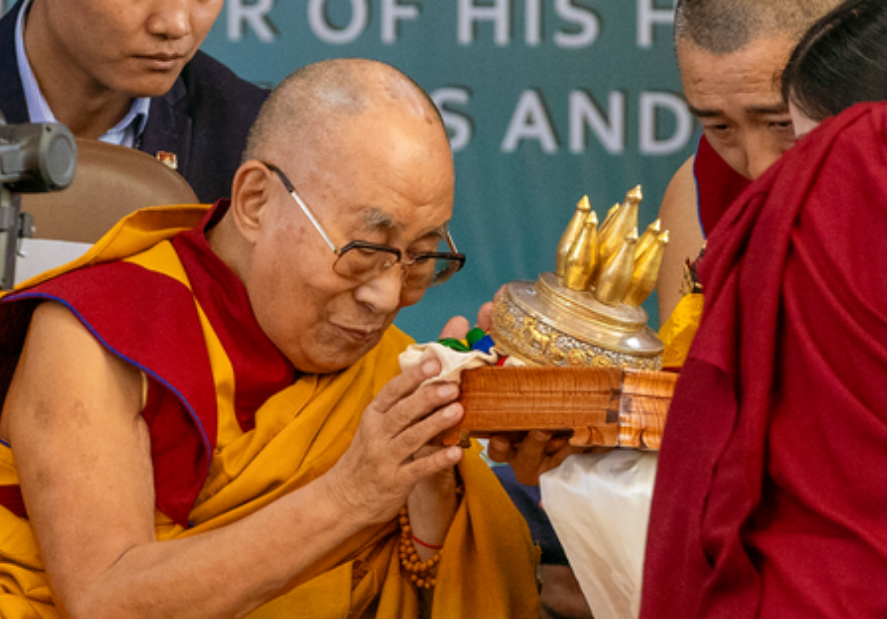
Despite this, Dalai Lama continues to maintain global visibility and influence. While not officially recognized as a political leader, he is widely received as a Nobel laureate and spiritual figure, allowing governments to engage with Tibet’s cultural and moral concerns without provoking direct retaliation from Beijing.
The report highlights a continuing paradox: while the CTA represents Tibet’s political aspirations, it remains diplomatically sidelined. Meanwhile, the Dalai Lama’s moral authority ensures that Tibet’s cause persists in global consciousness, even in the absence of formal international recognition. (Source: IANS)