Outstanding Women of 2026: Pubali Banerjee: Scientist, Cultural Leader, and Community Bridge-Builder
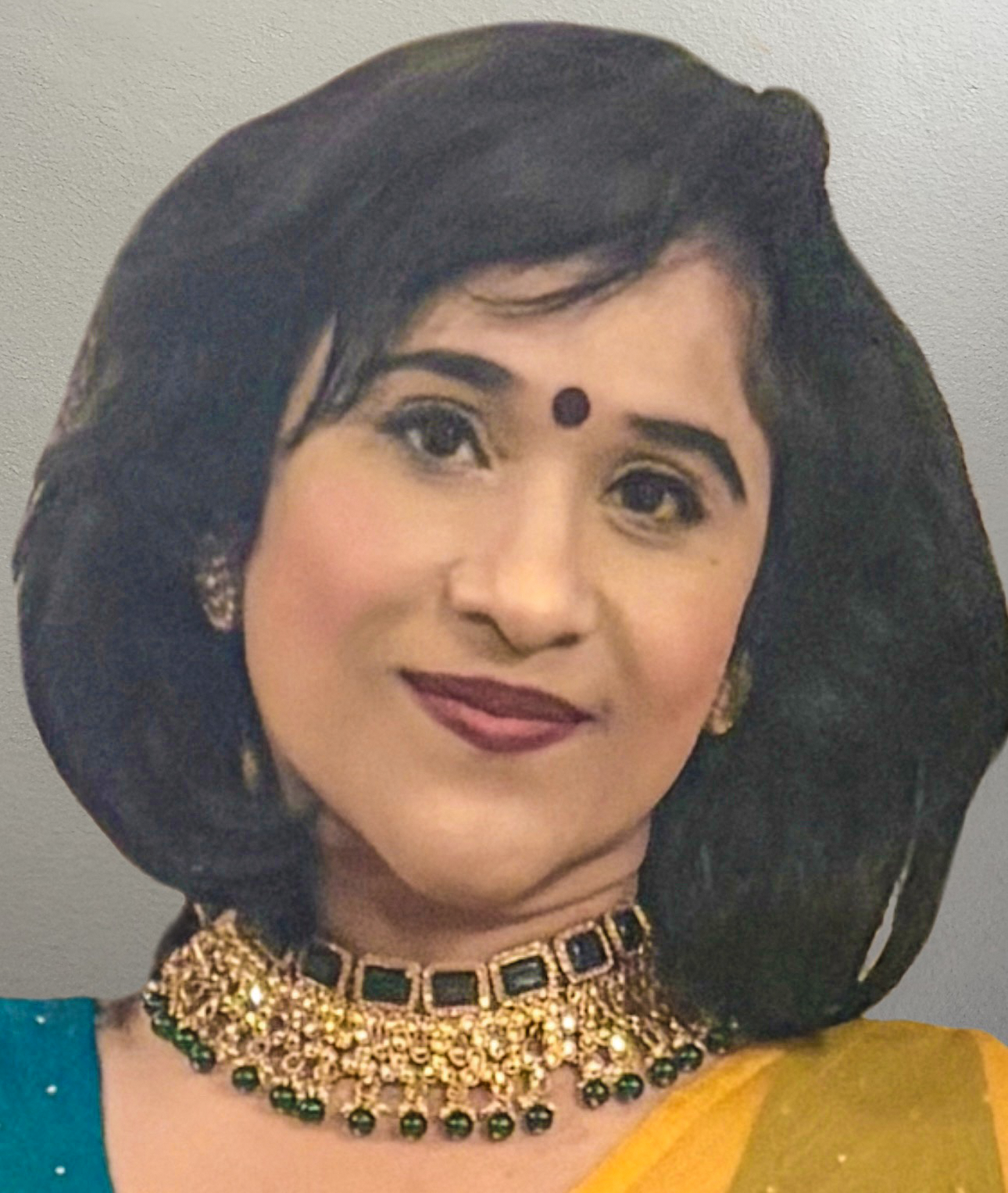

BOSTON—Pubali Banerjee believes leadership begins with listening and flourishes through integrity. A senior biopharmaceutical scientist and nonprofit leader, Banerjee has built her career—and her community work—on bridging worlds: science and service, tradition and innovation, generations and cultures.
 As President of Prabasi of New England, one of the region’s largest Bengali cultural organizations, Banerjee has guided the nonprofit into a vibrant, inclusive, and financially stable 501(c)(3) institution serving South Asian and broader BIPOC communities across New England. Under her leadership, Prabasi has expanded its cultural, educational, and youth-focused programming while strengthening governance and long-term sustainability.
Professionally, Banerjee serves as Senior Staff Engineer in CMC Bioprocess Development at Takeda, where she provides scientific and strategic leadership for drug substance and bioprocess development programs supporting clinical and late-stage therapeutics. With a Ph.D. in Molecular Biology and Microbiology from Tufts University School of Medicine and postdoctoral training at Dana-Farber Cancer Institute, her scientific career spans academic biomedical research, translational science, and pharmaceutical innovation.
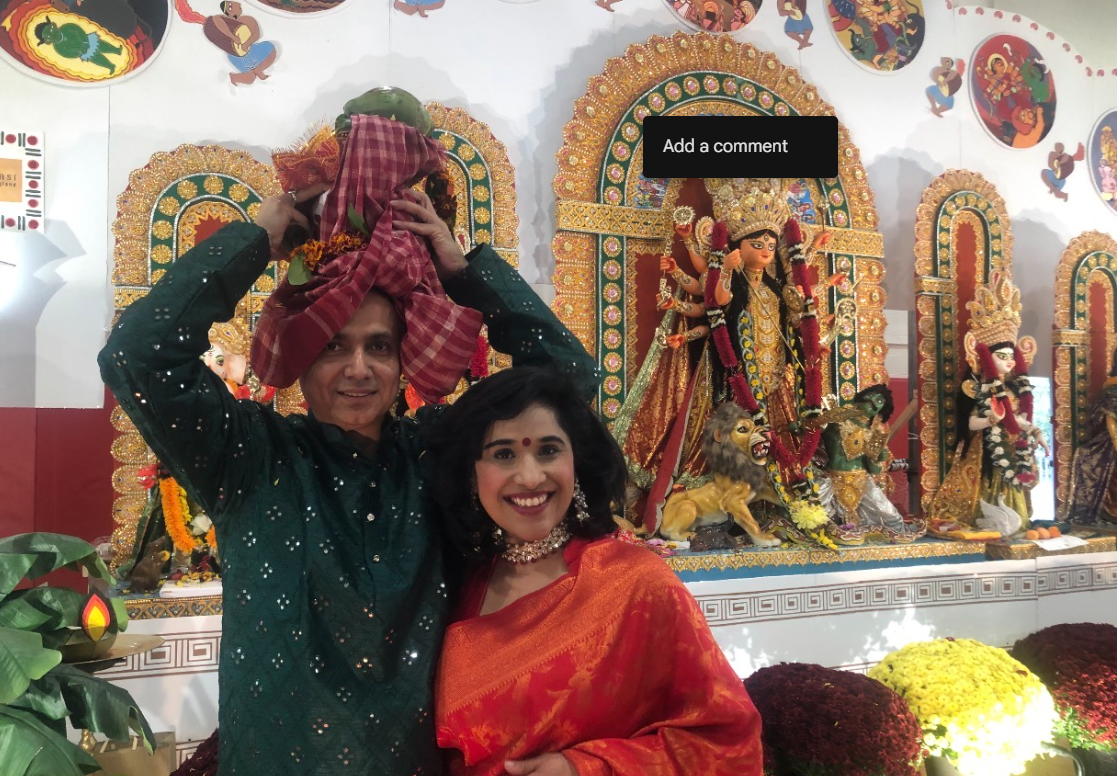
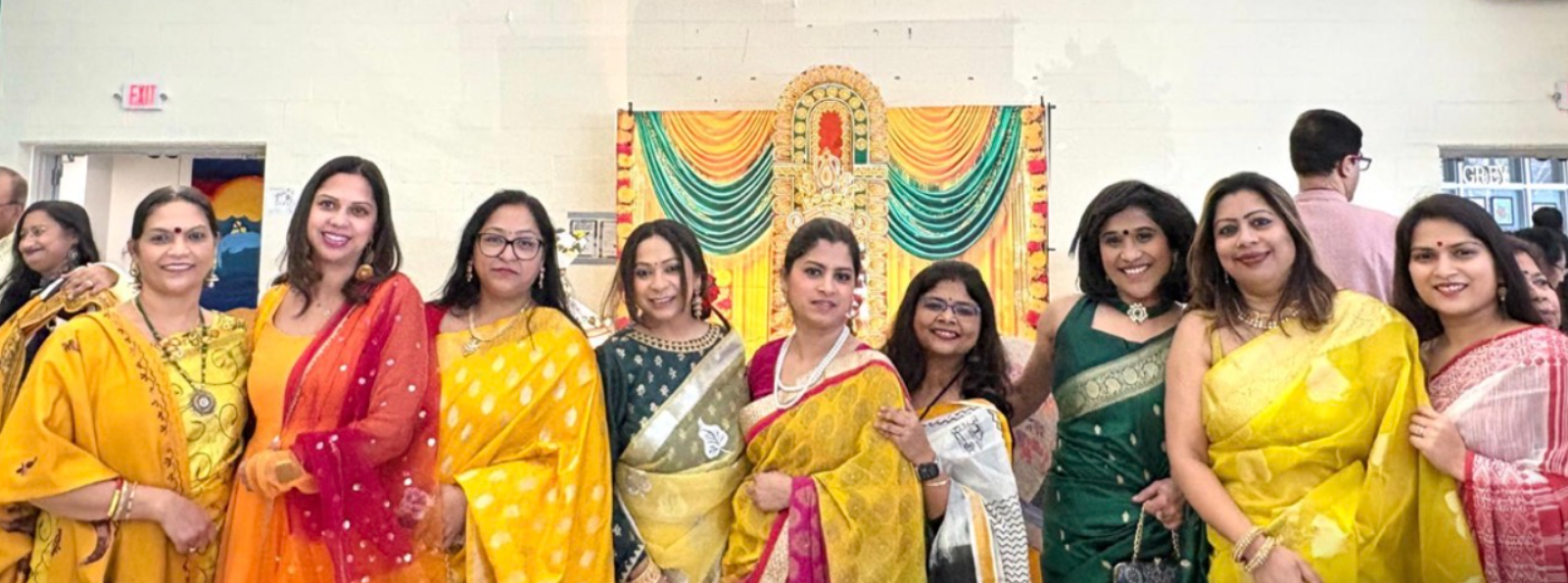
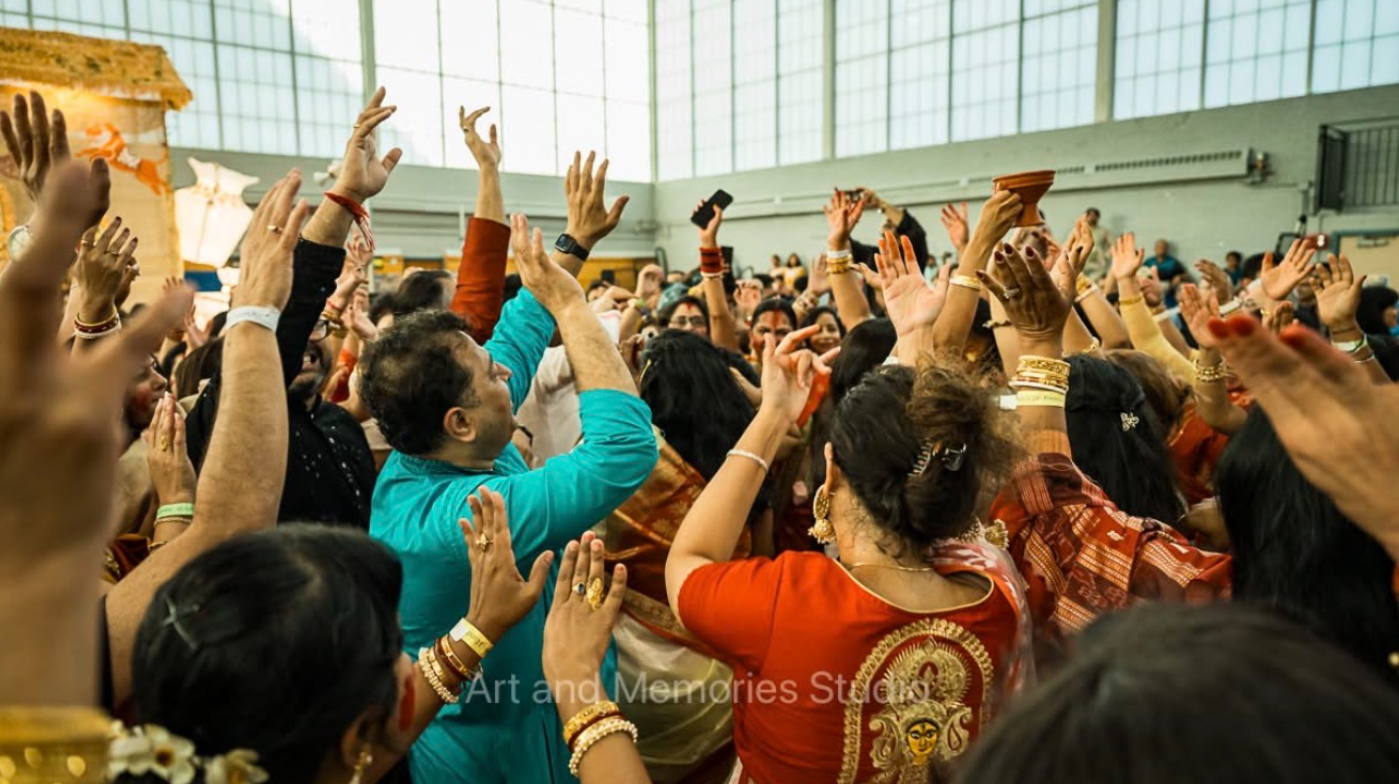
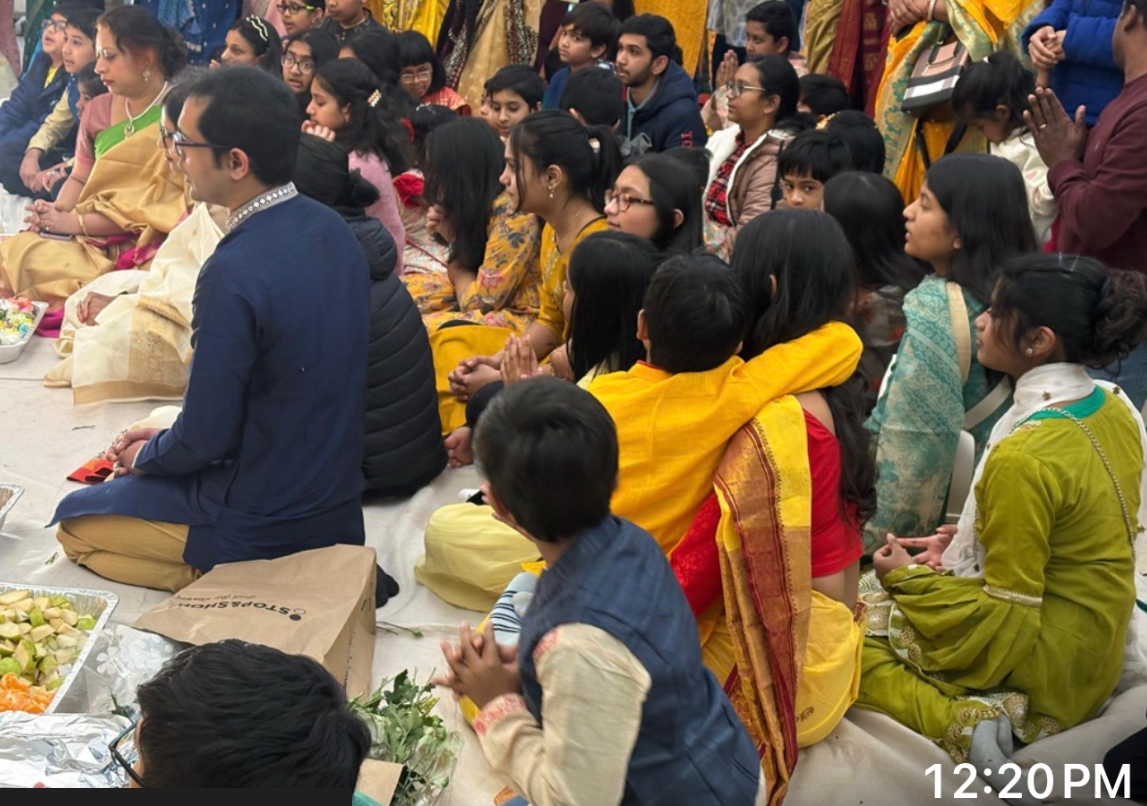
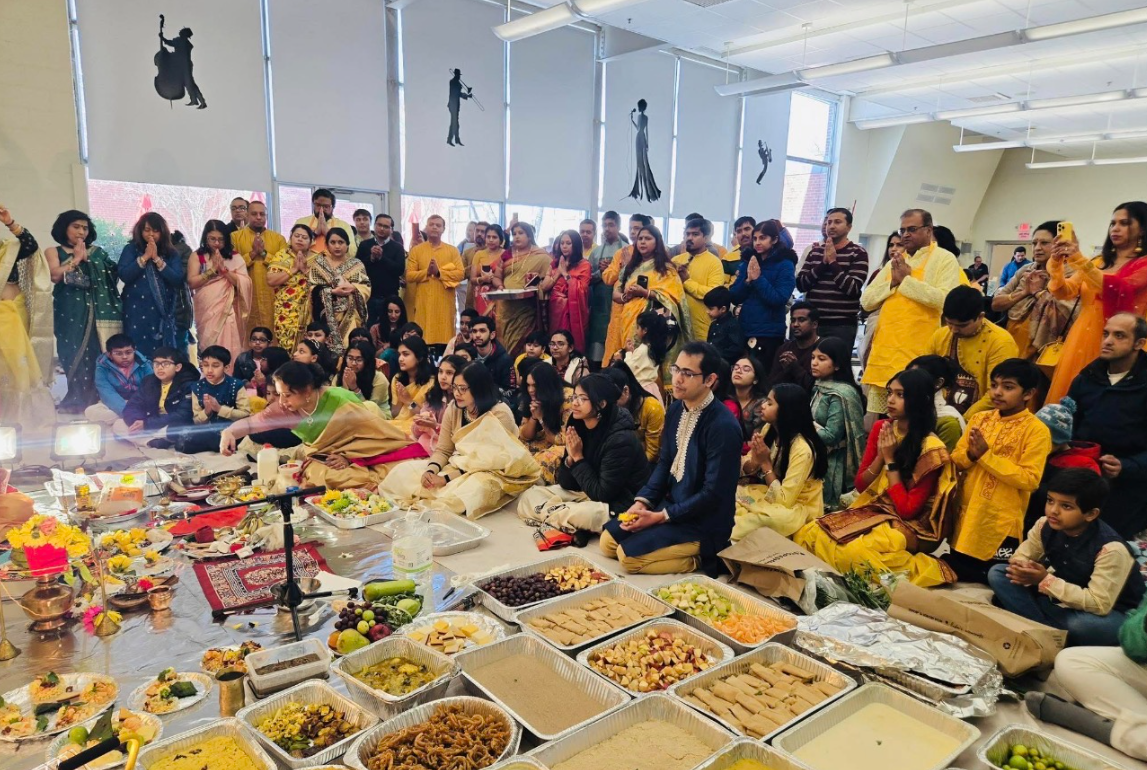
Her presidency at Prabasi has been marked by both cultural renewal and institutional growth. Signature events such as Durga Puja, Saraswati Puja, and Kobi Jayanti have flourished, welcoming families across cultures and faiths. Most notably, Prabasi’s Durga Puja has grown to unprecedented scale, drawing nearly 2,000 attendees over three days of programming. A landmark achievement during her tenure was commissioning a new Durga Prathima from renowned artist Kumar Tuli—the first in over 30 years—symbolizing both cultural stewardship and renewal, aligned with UNESCO’s recognition of Durga Puja as Intangible Cultural Heritage.
 Beyond cultural programming, Banerjee has prioritized youth engagement, scholarships, STEM mentorship, and leadership development—ensuring that Prabasi remains not only a cultural home, but a launchpad for future generations.
In recognition of her outstanding contributions to science, nonprofit leadership, and inclusive community building, Banerjee has been named one of INDIA New England News’ Outstanding Women of 2026. She will be honored at the 23rd Annual Women of the Year Awards Gala on March 14 at the Burlington Marriott Hotel in Burlington, MA, an evening expected to bring together approximately 400 community leaders and changemakers.
 Below, Banerjee reflects on her journey, her values, and the principles that guide her leadership.
INDIA New England News: How would you describe the work you do in your own words—and what part of it gives you the greatest sense of meaning or joy?
Pubali Banerjee: At its heart, my work is about building bridges—between people, generations, cultures, and ideas. Professionally, I work at the intersection of science, medicine, and innovation, helping translate complex research into real-world impact. In the community, my work has focused on creating spaces where people feel seen, included, and empowered to contribute.
The greatest joy comes from moments when those worlds overlap—when mentorship sparks confidence, when collaboration turns into collective pride, or when someone feels they truly belong. Seeing people step forward, especially those who once felt unheard, is deeply meaningful to me.

INE: Is there a cause, charity, or community initiative close to your heart? What drew you to it, and how are you personally involved?
PB: Prabasi of New England is very close to my heart. What drew me in was its potential—not just as a cultural organization, but as a living, evolving community that could nurture leadership, creativity, service, and inclusion across generations.
Over the years, I’ve been involved as a volunteer, Executive Committee member, and now President. My focus has been on strengthening governance, expanding youth and educational initiatives, increasing accessibility, and ensuring that the organization remains welcoming and relevant to a diverse membership. It has been incredibly rewarding to help shape an institution that honors tradition while embracing change.
INE: Outside of your professional life, what activities or interests help you recharge and stay grounded?
PB: Spending time with my family grounds me more than anything else. I also find deep joy in mentoring young people, whether through STEM initiatives, robotics, or community projects. Creative pursuits—dance, music, cultural programming, and even planning community events—help me recharge because they remind me that leadership can also be joyful and expressive.
Quiet moments matter too: reading, reflecting, and simply being present. Balance, for me, comes from staying connected to both purpose and people.
INE: Looking back, what impact are you most proud of making—whether in your community, your organization, or your professional field?
PB: I’m most proud of helping create systems that outlast any one individual—whether that’s building strong, transparent processes in a nonprofit, mentoring future leaders, or contributing to scientific work that improves patient outcomes.
In the community, seeing Prabasi grow in participation, trust, and inclusivity has been especially meaningful. Professionally, contributing to translational research that bridges science and medicine reminds me why I chose this path in the first place.
INE: What is a skill, strength, or talent people may not immediately associate with you, but one that has shaped your journey in important ways?
PB: Listening. Not just hearing, but truly listening—especially when conversations are difficult or perspectives differ. This skill has helped me navigate leadership roles, resolve conflicts, and build consensus without losing integrity. It has taught me that strength doesn’t always need to be loud to be effective.
INE: Is there a book (or a few) that has stayed with you or influenced how you think, lead, or live?
PB: Bengali literature has shaped how I think about leadership and life. Sharatchandra Chattopadhyay’s work has stayed with me, particularly Srikanta, which reflects leadership through humility, lived experience, and empathy rather than authority. His writing reminds me that moral clarity often comes from observing, listening, and understanding human complexity. I’m also deeply influenced by Rabindranath Tagore’s Gitanjali, which emphasizes service, introspection, and quiet strength. Together, these works reinforce my belief that meaningful progress is built through patience, compassion, and quiet resilience—not quick victories or dominance.
INE: Are there words, quotes, or ideas that you often return to during challenging or defining moments?
PB: I often return to the idea that how we act matters as much as what we achieve. Integrity, patience, and compassion are not optional—they are foundational. During difficult moments, I remind myself to respond thoughtfully rather than react impulsively.
INE: Who has inspired or influenced you most in your life, and what lessons from them continue to guide you today?
PB: I’ve been shaped by many influences—family members, mentors, teachers, and colleagues—who modeled quiet strength and ethical leadership. The lesson that stays with me most is that leadership is a responsibility, not a privilege, and that trust is built through consistency and fairness over time.
INE: What core value or principle do you consciously try to live by, both personally and professionally?
PB: Integrity. Doing the right thing even when it’s difficult, inconvenient, or unseen. It’s the principle that anchors my decisions and gives me clarity during uncertainty.
INE: If you could spend time in conversation with one person—past or present—who would it be, and what would you hope to learn from them?
PB: I would love to spend time with someone who bridged science, service, and humanity—someone who understood that progress without compassion is incomplete. I would hope to learn how they balanced conviction with humility, especially during times of resistance or change.
INE: What is one lesson life has taught you that you wish you had learned earlier?
PB: That it’s okay to pause. Growth doesn’t always come from doing more—it often comes from reflecting, recalibrating, and trusting yourself.
INE: How do you define success at this stage of your life?
PB: Success now means impact with balance—creating meaningful change while staying grounded, present, and aligned with my values. It’s about leaving things better than I found them.
INE: What advice would you offer to young women aspiring to make a difference in their own way?
PB: Don’t wait for permission to lead. Your voice matters, even when it shakes. Stay curious, stay principled, and surround yourself with people who challenge and support you. And remember—you don’t have to fit a mold to make an impact.