Democrats Condemn SBA Policy Blocking Green Card Holders From Small Business Loans
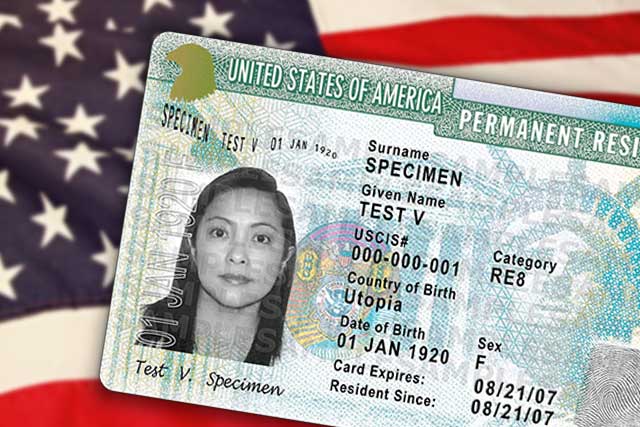

WASHINGTON, D.C. — Leading Democrats are criticizing a new Small Business Administration policy that bars businesses owned by legal permanent residents from accessing SBA-backed loans, warning the move will harm immigrant entrepreneurs and local economies.
Sen. Edward J. Markey of Massachusetts and Rep. Nydia Velázquez of New York said Wednesday that the policy reverses decades of established practice and excludes lawful immigrants who operate small businesses across the United States.
“The Trump administration is stoking the flames of hatred, spreading fear and confusion among immigrants and small business owners,” Markey and Velázquez said in a joint statement. “Rather than support hard-working legal immigrants to start or expand a business, the Trump SBA is choosing hatred by barring green card holders from receiving an SBA loan. The administration’s message to immigrants is clear: you are not welcome to pursue the American Dream.”
The SBA published the policy on February 2, with the new rules set to take effect March 1. Under the change, 100 percent of a small business must be owned by U.S. citizens or U.S. nationals residing in the United States, its territories, or possessions to qualify for SBA-backed loans. Legal permanent residents, commonly known as green card holders, will be prohibited from owning any share of a business seeking such financing.
The policy also rescinds a December SBA notice that had briefly permitted up to 5 percent foreign ownership, including by legal permanent residents whose primary residence was outside the United States. The agency said that earlier guidance has been withdrawn.
That December notice had already sparked controversy after it identified several groups as “ineligible persons,” including refugees, asylum recipients, visa holders, and individuals covered by Deferred Action for Childhood Arrivals. It also flagged people who were citizens of or resided in China or Hong Kong.
Democratic lawmakers said the shifting rules have created confusion for both lenders and borrowers, contributing to a sharp decline in access to SBA loans.
In July, Markey and Velázquez warned the SBA that newly introduced citizenship verification requirements were overly restrictive and risked excluding eligible small businesses. In September, Markey said lenders reported that the rules were difficult to interpret and had slowed loan approvals.
Concerns were reiterated in December, when Markey and other Democratic members of the Senate Small Business Committee wrote to SBA Administrator Kelly Loeffler, citing what they described as a steep drop in lending. According to that letter, SBA loan volume fell by 46 percent between June and August 2025, a decline lawmakers linked to new citizenship rules introduced earlier in the year.
Those changes, which took effect June 1, 2025, disqualified businesses from receiving loans if even a small ownership stake was held by a noncitizen, including refugees, asylees, visa holders, and conditional green card holders, even when U.S. citizens held a majority stake.
Lawmakers said the policy reverses more than 25 years of SBA practice. They argued that SBA loans are critical for helping small businesses launch, expand, and hire workers, and that immigrant-owned businesses depend heavily on access to such financing.
The SBA has said the new rules are intended to comply with federal law and an executive order titled “Protecting the American People Against Invasion.” Under the policy, lenders must certify that no owner of an applicant business is considered an ineligible person.
The agency has not publicly responded to the lawmakers’ latest criticism.
For decades, SBA programs allowed businesses owned by U.S. citizens and lawful permanent residents to qualify for loan support. Lawmakers emphasized that immigrants play a significant role in the creation and growth of small businesses nationwide, employing American workers and serving local communities across the country. (Source: IANS)