655 Million People Worldwide Still Lack Electricity, UN Report Says
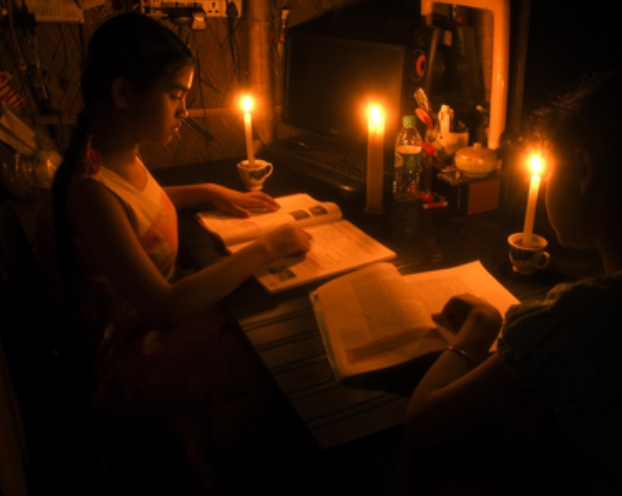

United Nations — About 655 million people, or 8% of the global population, still live without electricity, with most concentrated in sub-Saharan Africa, according to a new United Nations report.
The latest edition of “Tracking Sustainable Development Goal 7: The Energy Progress Report” also found that 1.8 billion people continue to rely on polluting fuels and technologies for cooking, putting their health and well-being at risk.
Sub-Saharan Africa accounts for a disproportionate share of the global energy access gap. More than 560 million people in the region lack electricity, while 970 million do not have access to clean cooking technologies.
The report said the pace of electrification in sub-Saharan Africa must triple for the world to achieve universal energy access by 2030.
Despite the continuing disparities, the report noted progress in several areas of sustainable energy. Renewable sources now account for more than 30% of global electricity consumption.
However, the report warned that without urgent and significantly expanded action, the world will fail to meet Sustainable Development Goal 7, which calls for universal access to affordable, reliable, sustainable and modern energy by 2030.
The continuing global energy crisis is also expected to have a significant effect on energy markets and the wider economy, the report said.
Stronger political leadership, improved coordination across sectors and greater attention to countries and communities most at risk of being left behind will be critical as the 2030 deadline approaches.
The report also called for clear policy signals and sustained implementation to diversify national energy supplies, expand renewable power, reduce dependence on imported fossil fuels and protect economies from global supply chain disruptions.
“We have seen encouraging progress in expanding access to affordable, reliable and clean energy in recent years,” said Li Junhua, UN under-secretary-general for economic and social affairs.
“However, this year’s report shows that millions of people still lack access, making clear that progress is not keeping pace with the ambition of Sustainable Development Goal 7, and that disparities across countries remain significant,” Li said, adding that the current global energy crisis presents an opportunity to accelerate the transition to clean energy in support of energy security.
“Seizing this opportunity will require substantial scaling-up of international support and investment. We cannot afford complacency. The time to act with greater urgency and ambition is now,” Li said. (Source: IANS)