

New Delhi— India has made significant strides in the fight against HIV/AIDS, with annual new HIV infections declining by 48.7 percent and AIDS-related deaths falling by 81.4 percent between 2010 and 2024, the government said on Sunday ahead of World AIDS Day 2025. Mother-to-child HIV transmission also dropped by 74.6 percent during the period.
Under the current phase of the National AIDS Control Programme (NACP), India has seen notable improvements in testing, treatment, and monitoring. HIV testing increased from 4.13 crore in 2020–21 to 6.62 crore in 2024–25, while access to antiretroviral therapy (ART) rose from 14.94 lakh to 18.60 lakh people living with HIV (PLHIV). Viral load testing nearly doubled, from 8.90 lakh to 15.98 lakh.
“These outcomes surpass global averages and reflect India’s leadership, sustained domestic investment, evidence-based strategies, and robust community engagement,” the Health Ministry said.
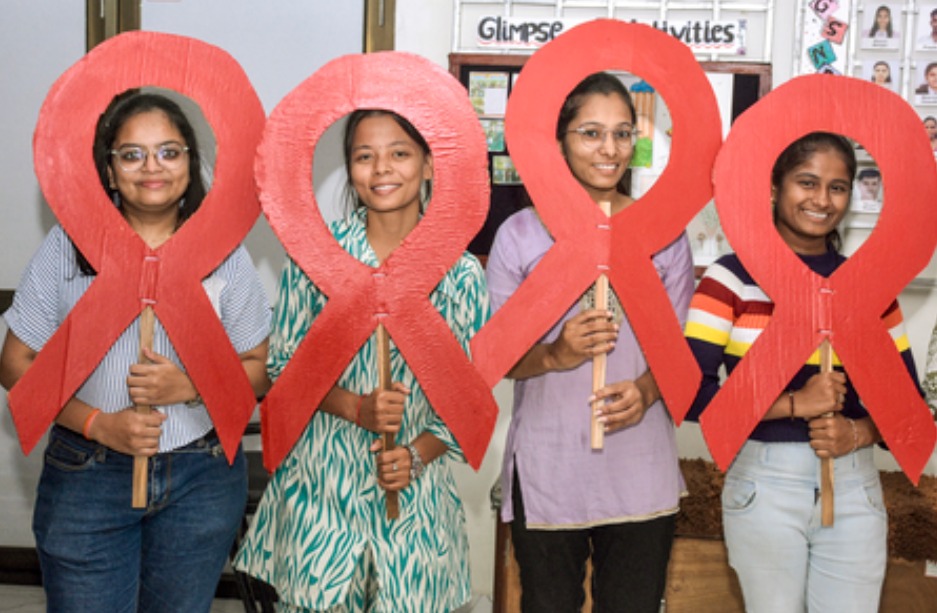
Health Minister Jagat Prakash Nadda will lead the national-level observance of World AIDS Day at Vigyan Bhawan on Monday, joined by senior officials, reaffirming the government’s commitment to HIV prevention, treatment, care, and the elimination of stigma.
Organised by the National AIDS Control Organisation (NACO), the event will bring together government leaders, development partners, youth representatives, community advocates, PLHIV, and frontline health workers, reflecting a collaborative approach to ending AIDS as a public health threat.
A youth-led flash performance will highlight the importance of awareness and responsible behaviour, followed by the inauguration of a thematic exhibition showcasing digital innovations, programme achievements, and community-led models under NACP. Beneficiary stories and an audio-visual presentation will illustrate India’s progress and outline upcoming priorities.
A key highlight of the observance will be the launch of a new campaign video series under NACO’s national multimedia initiative, focusing on three core pillars: Youth and Awareness, Elimination of Vertical Transmission, and Stigma and Discrimination. (Source: IANS)