US-India Trade Could Reach $500 Billion by 2030, Report Says
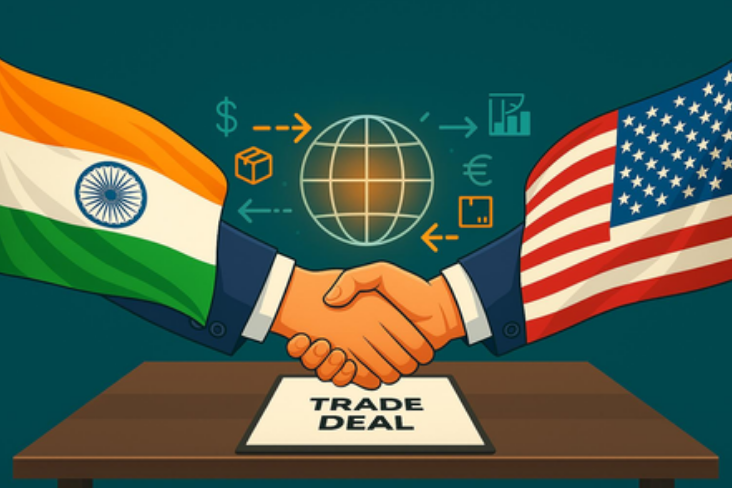

NEW DELHI — U.S.-India trade is entering a high-growth phase and could reach $500 billion by 2030, driven by stronger supply chains, technology collaboration and deeper integration across manufacturing and services, according to a new report.
The report by KPMG in India and AMCHAM said bilateral trade has grown steadily in recent years. India’s cumulative exports to the U.S. reached $87.3 billion in FY26, accounting for 20 percent of the country’s total merchandise exports.
Electronics, textiles, pharmaceuticals, machinery, and gems and jewelry remain key pillars of trade between the two countries.
“As global value chains realign, India’s scale, cost advantage and talent base position it as a trusted partner for U.S. businesses. The next phase will be defined by execution, translating policy momentum into resilient, long term economic outcomes,” said Neeraj Bansal, partner and head of India Global at KPMG in India.
The report said momentum remains strong across sectors such as electronics, pharmaceuticals and high-value services. It said the next priority is turning opportunity into execution through stronger supply-chain linkages, better regulatory alignment and more predictable market access.
The U.S.-India trade corridor is emerging as a major engine of global growth, supported by rising trade volumes, expanding sector ties and growing strategic alignment across manufacturing, technology, energy and talent mobility, according to the report.
Manoj Kumar Vijai, non-executive chairman and office managing partner in Mumbai, said the focus must now shift toward strengthening supply chains, improving market access and ensuring regulatory predictability as new opportunities emerge in manufacturing, energy and technology.
India supplies nearly 40 percent of generic drugs used in the U.S., reinforcing its role in global healthcare supply chains, the report said.
The report also said stronger logistics, regulatory coherence and standards alignment will be critical to deeper economic integration between the two countries.
Semiconductors, defense and clean energy are expected to drive the next wave of growth opportunities. The report identified manufacturing integration, technology assurance, upgrades for MSMEs in value chains and energy security as key strategic priorities. (Source: IANS)