Trump Administration Presses Supreme Court on Birthright Citizenship, Cites ‘Birth Tourism’ Concerns
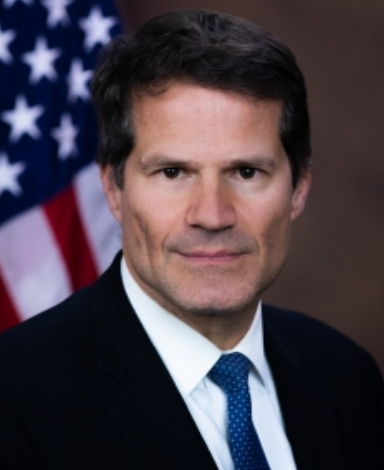

WASHINGTON — The Trump administration urged the U.S. Supreme Court to reconsider the scope of birthright citizenship, raising concerns about so-called “birth tourism” as part of its argument to limit automatic citizenship for children born on American soil.
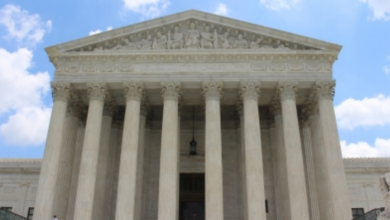
Arguing before the court on Wednesday, Solicitor General John Sauer said foreign nationals are increasingly traveling to the United States to give birth, describing the practice as a growing industry. He pointed to estimates suggesting between 1 million and 1.5 million births linked to Chinese nationals and said hundreds of companies in China facilitate such travel.
Sauer argued that the current system makes the United States an “outlier among modern nations” and serves as a pull factor for immigration. He noted that most European countries base citizenship on parentage rather than birthplace.
“Every nation in Europe has a different rule,” Sauer told the court, emphasizing that international norms differ from the U.S. approach.
The case centers on whether the 14th Amendment guarantees citizenship to nearly all children born in the United States, a principle that has been widely applied for more than a century.
Several justices expressed skepticism about relying on international comparisons in interpreting the Constitution. Justice Brett Kavanaugh said global practices may be relevant to policy discussions but not necessarily to constitutional interpretation.
Opponents of the administration’s position echoed that view, arguing that the Constitution reflects a distinctly American legal tradition. They said the 14th Amendment was intended to establish a clear and broad rule that birth in the United States confers citizenship, with only limited exceptions.
The court also examined how potential changes could affect families. Justice Samuel Alito raised questions about the impact of restricting birthright citizenship on individuals with longstanding ties to the country.
Sauer countered that countries with stricter citizenship laws have not experienced a “huge humanitarian crisis,” suggesting the United States could adopt a similar approach. He also cited changing global dynamics, noting that “eight billion people are one plane ride away” from the United States.
Opponents warned that altering the current interpretation would overturn well-established precedent, pointing to the Supreme Court’s 1898 decision in United States v. Wong Kim Ark, which affirmed that most children born in the country are citizens regardless of their parents’ immigration status.
The 14th Amendment, ratified in 1868 in the aftermath of the Civil War, overturned the Dred Scott decision and established a national definition of citizenship.
The court’s eventual ruling could determine whether the United States maintains its longstanding approach to birthright citizenship or moves closer to policies seen in other parts of the world. (Source: IANS)