Supreme Court Citizenship Case Raises Concerns for H-1B Families

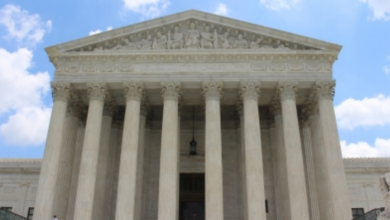
WASHINGTON — A U.S. Supreme Court case examining the scope of birthright citizenship is raising concerns among Indian professionals on H-1B visas and other temporary permits, as the Trump administration argues that children born to some noncitizens may not automatically qualify for U.S. citizenship.
During arguments before the court, Solicitor General John Sauer said the Constitution requires “direct and immediate allegiance” to the United States, not simply birth within its borders. He argued that children of individuals in the country on temporary visas may not meet that standard.
The position could have significant implications for Indian families, who make up the largest share of H-1B visa holders in the United States. Many live and work in the country for years while waiting for permanent residency, building careers and raising families. Under current law, children born in the United States are generally recognized as citizens regardless of their parents’ immigration status.
Sauer argued that the constitutional phrase “subject to the jurisdiction thereof” should be interpreted as requiring a level of allegiance tied to lawful, more permanent residence. He said the rule should not extend to individuals in the country on a temporary basis.
Several justices questioned how such a policy would be implemented in practice, including how officials would determine a child’s citizenship at birth and whether parents’ immigration status would need to be verified in each case.
The administration said any system would rely on “objectively verifiable” immigration data, suggesting that visa status could become a determining factor in whether a child is granted citizenship.
Lawyers challenging the administration’s position warned that such a change would overturn long-standing precedent. They pointed to the Supreme Court’s 1898 decision in United States v. Wong Kim Ark, which held that most children born in the United States are citizens regardless of their parents’ status.
They argued that the Constitution establishes a clear rule. “Everyone born here is a citizen alike,” counsel told the court.
For Indian families, the potential impact is significant. H-1B visa holders often face lengthy delays in obtaining green cards, during which time their U.S.-born children enjoy full citizenship rights.
A shift in policy could create uncertainty, potentially affecting access to education, employment opportunities, and government benefits.
The court also examined whether any ruling would apply only going forward. The administration said its approach would be prospective, but challengers warned that the reasoning could cast doubt on the status of many individuals.
The case comes amid ongoing political debate over immigration policy in the United States. The administration argued that current birthright citizenship rules act as a “pull factor” for illegal immigration.
The 14th Amendment, ratified in 1868, grants citizenship to all persons born in the United States and subject to its jurisdiction, a provision originally intended to secure citizenship for formerly enslaved people after the Civil War.
For more than a century, the United States has followed a broad interpretation of birthright citizenship. The Supreme Court’s decision in this case could reshape that principle and directly affect thousands of families, particularly those navigating the long path from temporary work visas to permanent residency. (Source: IANS)