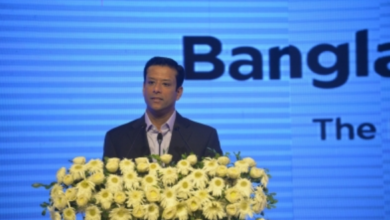
Mirza Fakhrul Islam Alamgir Elected Bangladesh’s 23rd President
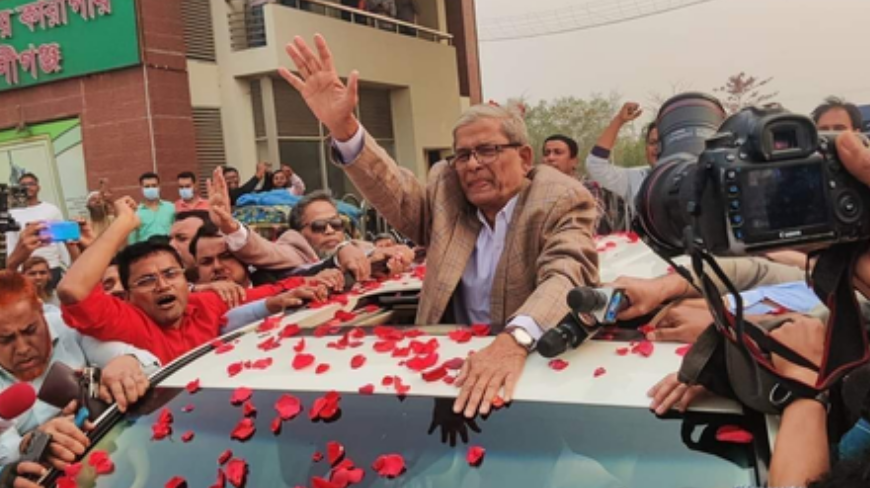

Dhaka — Bangladesh Nationalist Party candidate Mirza Fakhrul Islam Alamgir was elected the country’s 23rd president on Thursday, defeating Oli Ahmed, who was backed by the Jamaat-e-Islami-led 11-party alliance.
Fakhrul received 255 votes, while Ahmed secured 88 of the 343 valid ballots cast in Parliament, according to local media reports. The election was conducted under the supervision of Chief Election Commissioner and Returning Officer A.M.M. Nasir Uddin.
The new president is scheduled to take the oath of office at Bangabhaban on Friday, according to the chief whip.
“Mirza Fakhrul Islam Alamgir was elected to the post of President properly as he got the highest votes,” Nasir Uddin said while announcing the result, according to Bangladeshi news outlet UNB.
Of the 349 lawmakers eligible to vote, six did not cast ballots, according to media reports. Those absent included BNP lawmakers Mirza Abbas and Mostafa Kamal Pasha, independent lawmaker Rumeen Farhana, Jamaat lawmaker Gazi Nazrul Islam and Islami Andolan Bangladesh lawmaker Oli Ullah.
The election marked Bangladesh’s first contested presidential vote in Parliament in more than three decades. Since 1991, presidents had generally been elected unopposed. The last parliamentary presidential election decided by voting was held on Oct. 8, 1991.
The presidency became vacant after Mohammed Shahabuddin resigned on July 24. Parliament Speaker Hafiz Uddin Ahmed had been serving as acting president. Under Bangladesh’s Constitution, a new president must be elected within 90 days of the office becoming vacant.
Fakhrul served for more than 15 years as one of the BNP’s most senior leaders and became the party’s longest-serving secretary general.
During periods when BNP leader Tarique Rahman was in exile in London and former Prime Minister Khaleda Zia faced imprisonment, house arrest and prolonged illness, Fakhrul became one of the party’s most prominent leaders inside Bangladesh, helping coordinate political activities and maintain contact with party workers.
His election comes as political parties consider constitutional changes proposed under the July Charter.
The proposed reforms seek to adjust the balance of authority between the president and prime minister and give the presidency greater independence in making appointments to several institutions, including the National Human Rights Commission and Information Commission. (Source: IANS)