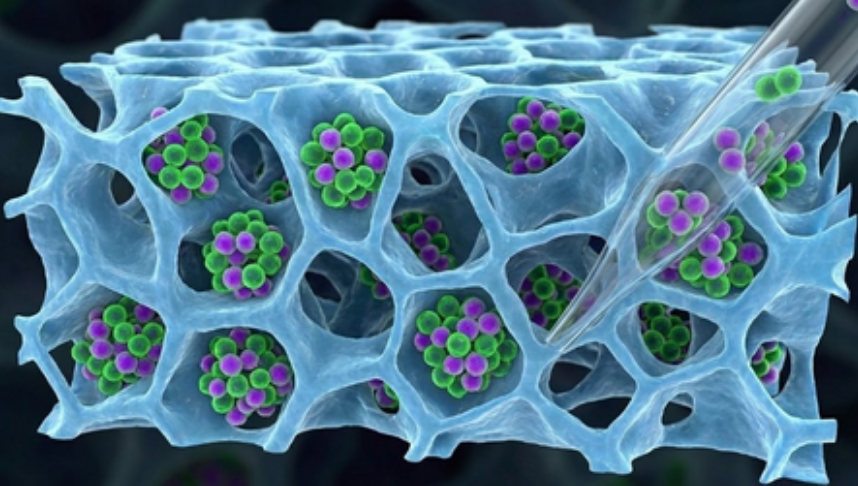
Long Pepper Compound May Help Treat Colon Cancer, NIT Rourkela Researchers Say
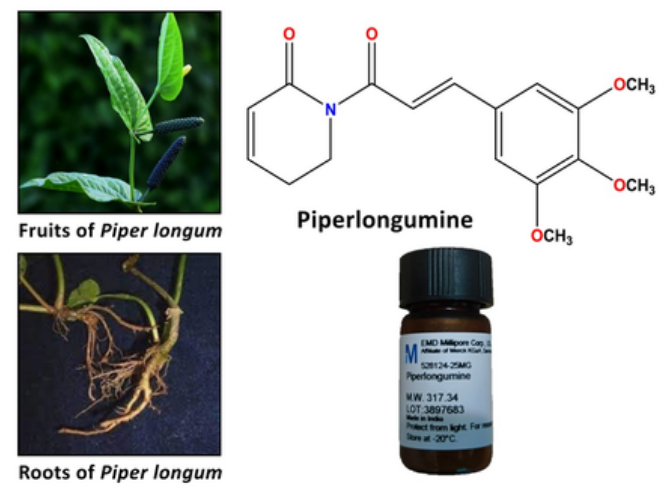

NEW DELHI, India — A natural compound found in long pepper could provide an effective and affordable treatment option against colon cancer cells, according to researchers at the National Institute of Technology (NIT) Rourkela.
Colon cancer is one of the most common cancers worldwide, caused by uncontrolled cell growth in the large intestine. The World Health Organization reported nearly 1.9 million new cases and close to 900,000 deaths in 2022.
While global studies have examined natural compounds for their anti-cancer properties, scientists at NIT Rourkela conducted laboratory experiments that showed Piperlongumine — a natural molecule extracted from long pepper — may offer a safer alternative to chemotherapy.
Conventional chemotherapy often causes painful and long-lasting side effects, including hair loss, fatigue, nerve damage and reduced immunity. Cancer cells can also become resistant to chemotherapy, complicating treatment and limiting survival outcomes.
The study, published in the journal BioFactors, found that Piperlongumine selectively destroyed colon cancer cells while leaving healthy cells intact.
“This natural compound from long pepper has shown strong anticancer effects with minimal side effects, making it a promising and safer alternative therapy,” said Bijesh Kumar Biswal, Associate Professor in the Department of Life Science at NIT Rourkela. “Over time, many cancer patients stop responding to chemotherapy, meaning the treatment no longer works.”
The team conducted multiple tests — including cell viability and apoptosis assays — and reported significant cancer-cell death. Researchers found that Piperlongumine increases oxidative stress inside colon cancer cells to levels they cannot withstand, triggering cell breakdown. Normal cells, however, can cope with this stress.
Because long pepper is inexpensive and widely available across India, researchers say a Piperlongumine-based treatment could be a low-cost, environmentally friendly therapy, especially valuable for low- and middle-income regions where cancer care is costly.
The next phase of research will explore combining Piperlongumine with chemotherapy drugs such as oxaliplatin to restore responsiveness in patients with chemo-resistant disease.
“This discovery opens new possibilities for treating advanced and resistant colorectal cancer, where options are extremely limited,” Biswal said. (Source: IANS)