Letter to the Editor: When Ego Disguises Itself as Self-Respect


Dear Editor,
The article’s message finds a powerful echo in the *Bhagavad Gita*:
Prakṛteḥ kriyamāṇāni guṇaiḥ karmāṇi sarvaśaḥ;
Ahaṅkāra-vimūḍhātmā kartāham iti manyate.
“All actions are carried out by the qualities of nature; but one deluded by ego thinks, ‘I am the doer.’”
– Bhagavad Gita* 3.27
This verse does not ask us to abandon responsibility or effort. Rather, it challenges the possessive claim behind action, the belief that achievement, control, or recognition belongs exclusively to “me.” It is an invitation to replace egoic ownership with humility, gratitude, and a clearer awareness of the countless conditions, people, and forms of grace behind every accomplishment.
The connection to Ashtavakra and the story of Chudala is beautifully chosen. It suggests that freedom is not withdrawal from ambition, relationships, or responsibility; it is freedom from the compulsive need for those things to confirm who we are. One can leave behind possessions and still remain attached to the identity of being a renunciant. The outer life may change while the inner claimant, “I am special because I have given this up,” remains untouched.
What makes your article especially valuable is its humility. It does not present ego as a flaw we conquer once, but as an ongoing practice of observation. Perhaps the most challenging question it leaves us with is this: when I feel most certain that I am simply being right, respected, or misunderstood, is that clarity, or is it the ego protecting its story?
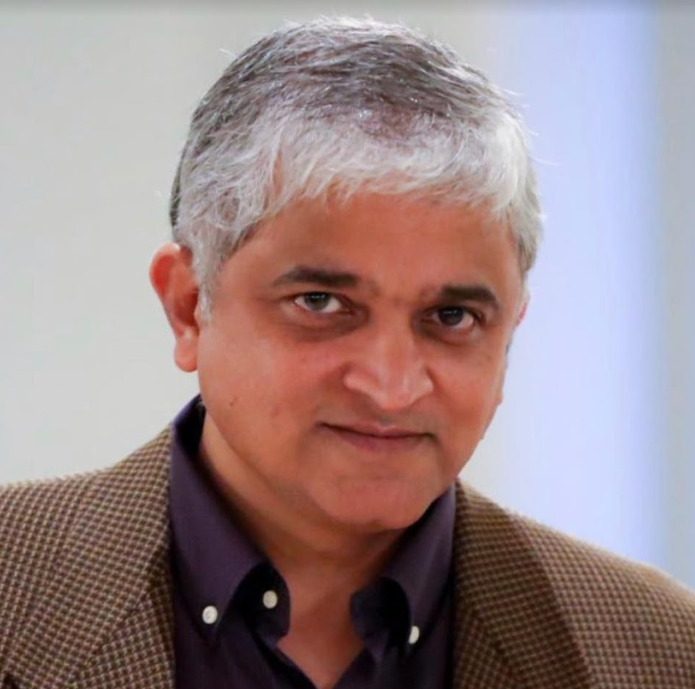
(Ravi Prasad is a technology and operations executive, thought leader, and longtime student of Hindu philosophy. A former Winchester, Massachusetts, resident, he now lives in Chicago with his family.)