India, U.S. Expected to Discuss Section 301 Issue in Trade Talks


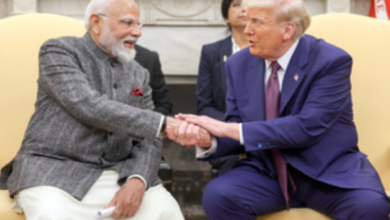
NEW DELHI — India and the United States are expected to discuss tariffs imposed under Section 301 of U.S. trade law as the two countries move closer to finalizing the first phase of a bilateral trade agreement, government sources said Monday.
Relief from ongoing Section 301 investigations has emerged as a key focus area in the negotiations, the sources said.
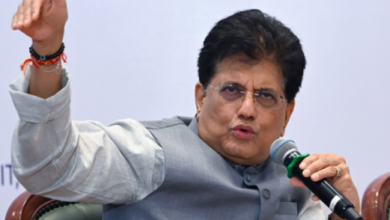
U.S. Trade Representative Jamieson Greer is likely to meet Commerce and Industry Minister Piyush Goyal once there is greater clarity on the remaining issues in the trade talks, the sources added.
A trade agreement would give Indian exports preferential access compared with competitors in the U.S. market.
The negotiations are part of a broader bilateral trade agreement framework covering market access, non-tariff barriers, customs facilitation, investment promotion and economic security cooperation. Talks are now focused on resolving technical details and finalizing the legal text.
Goyal said about 99% of the negotiations have been completed, with only a few issues still outstanding. He said discussions between the two sides are scheduled from June 2 to June 4, after which the first phase of the agreement is expected to be formally announced.
“We will very soon announce the signing of the first BTA with the U.S. and continue our conversations on the second phase,” Goyal said.
Officials said most of the discussions have been completed and both sides are working to settle the remaining issues before moving to the next phase of the agreement.
The U.S. delegation will be led by chief negotiator Brendan Lynch, while India’s team will be headed by Darpan Jain, additional secretary in the Department of Commerce, according to the government.
The U.S. Section 301 investigation includes India and China among 60 economies under review. The investigation is examining whether the acts, policies and practices of those economies related to the failure to impose and effectively enforce a ban on imports of goods produced with forced labor are unreasonable or discriminatory, and whether they burden or restrict U.S. commerce. (Source: IANS)