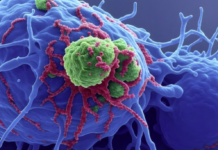



NEW DELHI — Elevated concentrations of antibiotic-resistant superbugs in both indoor and outdoor environments across Delhi are creating serious public health risks, according to a recent study. Airborne microbial contamination, specifically involving antibiotic-resistant bacteria and resistance genes, is an escalating concern in the city’s urban landscape.
Researchers from the School of Environmental Sciences at Jawaharlal Nehru University (JNU) examined the prevalence and diversity of staphylococci, including methicillin-resistant staphylococci (MRS), in bioaerosols. The study focused on several diverse urban settings, including the Vasant Vihar urban slum, the Munirka market complex, Munirka apartments, and a sewage treatment plant.
Air samples from these locations revealed staphylococcal loads that significantly exceed the World Health Organization’s recommended limits for microbial exposure. The research identified eight distinct staphylococcal species, with Staphylococcus epidermidis and Staphylococcus arlettae being the most common among human and animal populations, respectively.
The study’s findings on drug resistance were particularly notable. Approximately 73 percent of the MRS isolates exhibited multidrug resistance, showing a lack of response to common antibiotics such as macrolides and beta-lactams. Genotypic analysis further confirmed that many isolates carried the mecA gene, which is responsible for methicillin resistance.
Seasonal patterns also played a role in the findings. Airborne superbug levels reached their peak during the winter months, while monsoon rains were found to reduce outdoor contamination.
Researchers Himani Kumari and Madhuri Singh stated that the study emphasizes the potential health risks posed by airborne reservoirs of antibiotic resistance in urban environments and underscores the urgent need for comprehensive environmental surveillance to develop effective mitigation strategies.
The research team highlighted the critical need for a more comprehensive monitoring and reporting system for environmental antimicrobial resistance. They noted that such efforts are essential to accurately assess the scope of the threat and to develop integrated action plans for urban settings. (Source: IANS)