Heat Wave, Gas Shortage Push Kerala Power Demand to Record High

THIRUVANANTHAPURAM, India — Kerala is experiencing a sharp surge in electricity consumption as an intense heat wave and a shortage of cooking gas drive households and small businesses to rely more on electric appliances.
The state recorded a peak power demand of 6,012 megawatts on Tuesday evening, the highest ever, surpassing Monday’s peak of 5,933 megawatts.
Total daily electricity consumption also reached a monthly high of 112.52 million units.
Of this, 87.42 million units were sourced from outside the state, highlighting Kerala’s growing dependence on external power supply. In comparison, in-state generation, including hydropower, contributed only 25.09 million units.
With demand continuing to climb, the Kerala State Electricity Board is facing uncertainty over how to manage the situation.
Officials attribute the spike not only to soaring temperatures but also to changing cooking habits. With an ongoing shortage of LPG cylinders, many households have shifted to electric stoves, particularly induction cooktops.
The shift is especially evident among roadside eateries and tea stalls across the state, many of which have temporarily switched from cooking gas to electric alternatives.
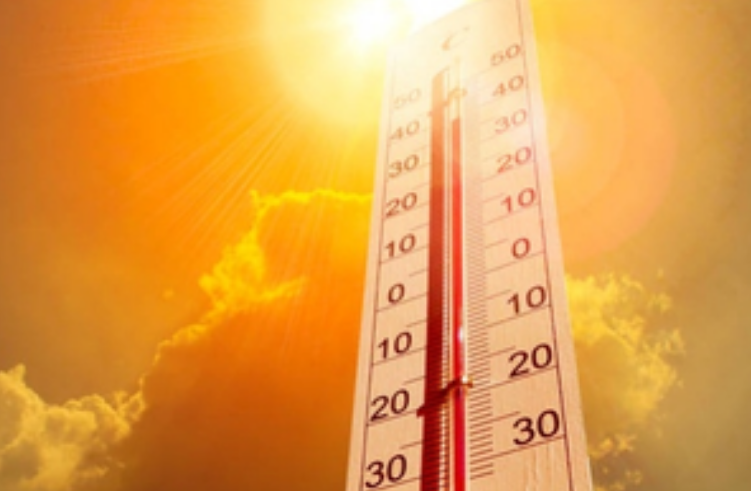
The heat wave shows no signs of easing. On Vishu, large parts of the state remained under extreme temperatures, with 12 districts placed under high-temperature alerts.
Palakkad recorded a scorching 40 degrees Celsius for the second time this season, while Kollam reached 38 degrees Celsius. Temperatures in Kannur and Kottayam exceeded 37 degrees Celsius.
The ultraviolet index has also reached dangerous levels at several monitoring stations, raising concerns about prolonged exposure.
Health authorities have reported a rise in heat-related illnesses, including dehydration, fatigue, and sunburn.
With temperatures and power demand rising together, Kerala faces a difficult period ahead as it balances supply constraints with increasing consumption driven by both climate conditions and necessity. (Source: IANS)