Delhi to Declare Human Rabies a Notifiable Disease to Improve Reporting, Prevent Deaths
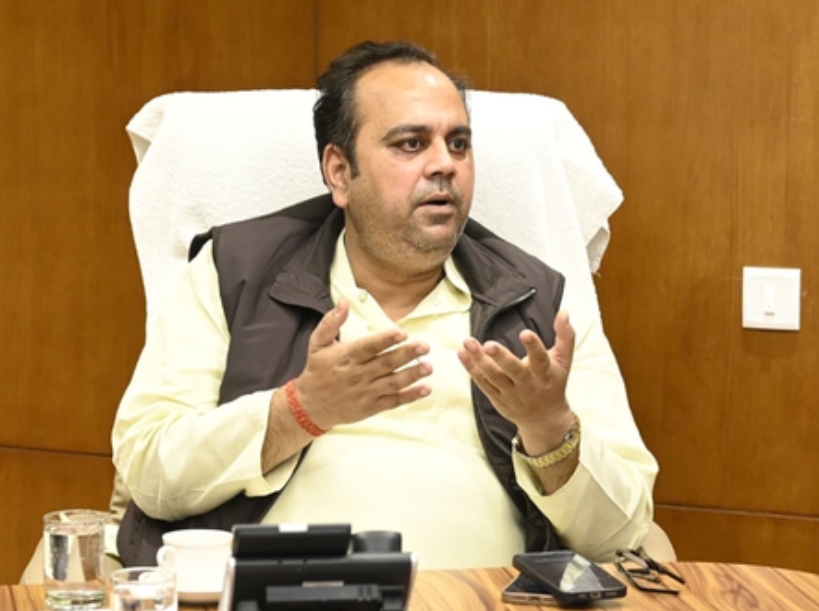

New Delhi–In a major public health move, the Delhi government is set to declare human rabies a notifiable disease across the National Capital Territory, Health Minister Pankaj Kumar Singh announced on Sunday. The step aims to strengthen disease surveillance, ensure timely reporting, and prevent avoidable deaths caused by the deadly but preventable infection.
“Rabies is a preventable disease, and no death due to rabies is acceptable,” the minister said. “Declaring human rabies as a notifiable disease will strengthen surveillance, improve early detection, and ensure timely treatment. This is an important step towards our goal of zero human deaths from rabies in Delhi.”
Once the notification is issued, it will come into immediate effect and remain valid until further orders. Under the new system, all government and private health facilities—including medical colleges and individual medical practitioners—will be legally required to report suspected, probable and confirmed cases of human rabies to the designated health authorities.
The minister said detailed guidelines on reporting and coordination would be shared with all concerned departments and institutions. Mandatory reporting is expected to help authorities track disease trends, identify high-risk areas, and take swift public health action to prevent further spread.
Rabies is almost 100 per cent fatal once symptoms appear, but it is completely preventable through timely medical intervention after exposure, such as vaccination and administration of rabies immunoglobulin. Early reporting and prompt treatment are therefore critical to saving lives.
To ensure access to treatment, the Delhi government is currently providing anti-rabies vaccine (ARV) at 59 health facilities across all 11 districts of the city. Anti-rabies serum or rabies immunoglobulin (RIG) is available at 33 designated hospitals and health centres in the capital.
The government is also finalising the State Action Plan for Rabies Elimination (SAPRE) in coordination with local bodies, the Animal Husbandry Department and other stakeholders. The plan focuses on strengthening vaccination facilities for humans as well as dogs and other animals, with the broader goal of eliminating dog-mediated rabies.
What is Human Rabies and What Are Its Symptoms?
Rabies is a viral disease that affects the brain and nervous system. It is most commonly transmitted to humans through the bite, scratch, or saliva of an infected animal—most often dogs, but also cats, bats and other mammals.
In the early stages, rabies symptoms can be mild and flu-like, making the disease difficult to detect. These may include:
-
Fever
-
Headache
-
Weakness or fatigue
-
Pain, tingling or burning sensation at the site of the bite
As the disease progresses, severe symptoms develop, such as:
-
Anxiety and agitation
-
Confusion or hallucinations
-
Difficulty swallowing and fear of water (hydrophobia)
-
Excessive salivation
-
Muscle spasms
-
Paralysis
Once these symptoms appear, rabies is almost always fatal. However, the disease can be prevented if a person bitten or scratched by a potentially rabid animal receives immediate wound cleaning and timely post-exposure prophylaxis, including vaccination and, where required, rabies immunoglobulin.
By declaring human rabies a notifiable disease, the Delhi government hopes to ensure faster diagnosis, better coordination between human and animal health systems, and ultimately eliminate preventable rabies deaths in the national capital.