


Water has new molecular properties: Scientists
New York-- US scientists have predicted a fundamental asymmetry in the mechanism of water, which had previously gone unnoticed.
For nearly a century, it was...
Why Homo Erectus went extinct: Laziness
Sydney-- Laziness could explain the reason why Homo Erectus -- a species of primitive humans -- went extinct, a new research has shown.
The findings, based...

What if people from different cultures and economic backgrounds have different brain wiring?
By Bill Ibelle
News at Northeastern
For decades, scientists have assumed that the brain circuitry for social behavior has developed over millions of years of evolution...

Earth at risk of falling into irreversible greenhouse state
Sydney-- The Earth is at risk of falling into an irreversible greenhouse state due to global warming, which would make several regions of the...

Rare Himalayan vulture rescued from drowning in Yamuna
Agra-- Thanks to watchful villagers in Sikandra area of Agra, a rare juvenile Himalayan Griffon vulture was rescued from drowning in the Yamuna on...

Team led by Indian American develops trickle-down method to grow graphene
By K.S. Jayaraman
Bengaluru--By making carbon leak (trickle down) through cracks on copper, researchers have developed a new process for "growing" graphene directly on materials...

Gene linked to hair loss may improve cancer treatment
New York-- Scientists have found that a gene associated with autoimmune hair loss disorder may also help improve cancer immunotherapy -- treatment that uses...
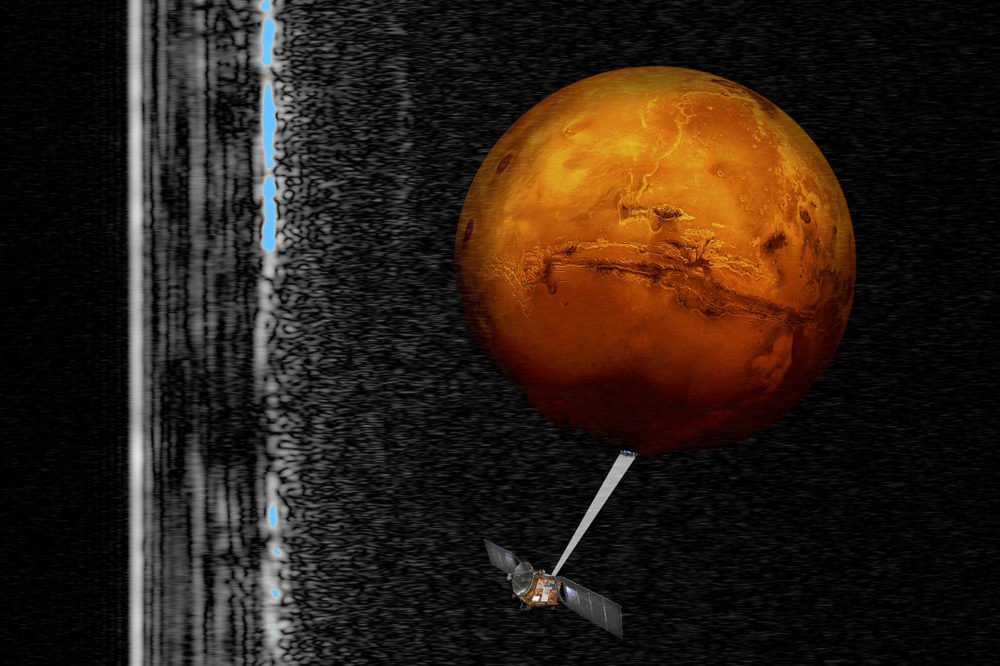
Discovery of water on Mars ‘could change the whole game’
By Molly Callahan
News at Northeastern
The search for life on Mars—and the quest to send humans to Mars—just got one step closer. For the first...
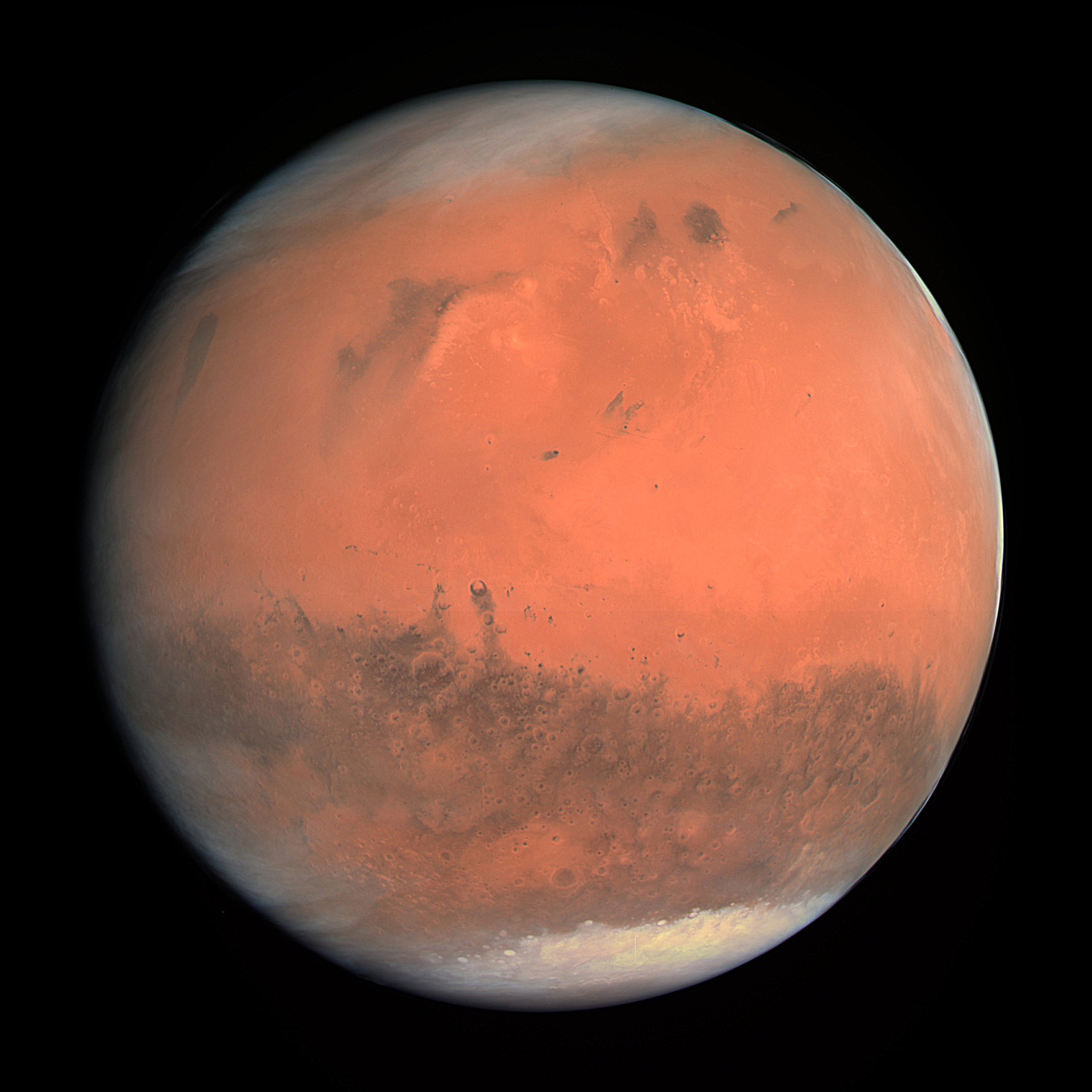
Scientists discover first-ever liquid water lake on Mars
Washington-- In a tantalising find, a team of Italian researchers on Wednesday announced they have discovered a large saltwater lake under ice near the...
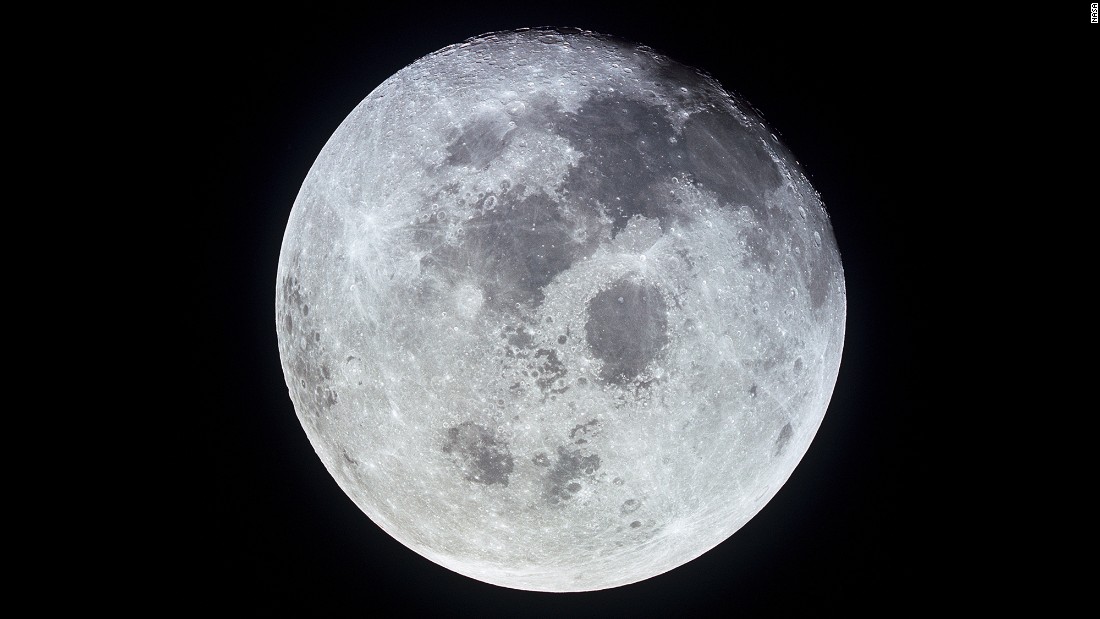
Moon may have harbored life 4 billion years ago
Washington--While the Moon is presently unsuitable for habitation, there could have been life on its surface about four billion years ago, researchers have suggested.
There...