Can High-Fat Cheese Support Brain Health? Study Links It to Lower Dementia Risk
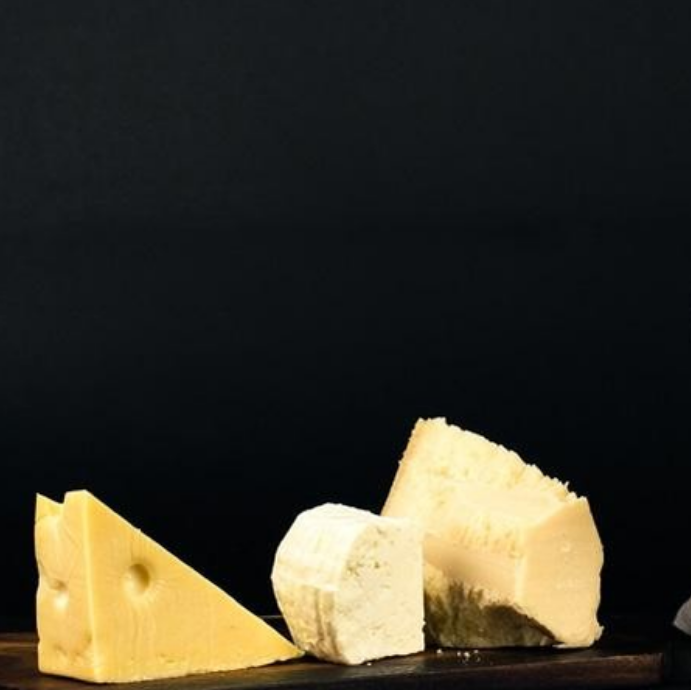

NEW DELHI– Cheese, long viewed with caution because of its high saturated fat and sodium content, may be linked to a lower risk of developing dementia, according to a new long-term study that challenges conventional views on fat and brain health.
The research, published in the journal Neurology, found that certain high-fat dairy products — including cheeses such as cheddar, Brie, and Gouda, as well as whipping cream, double cream, and clotted cream — were associated with a reduced risk of dementia. Researchers cautioned, however, that the findings show an association rather than a direct cause-and-effect relationship.
“The study does not prove that eating high-fat cheese and high-fat cream lowers the risk of dementia; it only shows an association,” researchers from Lund University in Sweden said.
The study analyzed data from 27,670 adults in Sweden, with an average age of 58 at the start of the research. Participants were followed for an average of 25 years, during which 3,208 individuals developed dementia.
According to the findings, people who consumed higher amounts of high-fat cheese had a 13 percent lower risk of developing dementia compared with those who ate less. When researchers looked at specific dementia types, they found a 29 percent lower risk of vascular dementia among those with higher high-fat cheese intake.
A lower risk of Alzheimer’s disease was also observed among participants who consumed more high-fat cheese, but only in individuals who did not carry the APOE e4 gene variant, a known genetic risk factor for Alzheimer’s.
Daily consumption of high-fat cream was also linked to a reduced risk, with participants showing a 16 percent lower likelihood of developing dementia compared with those who did not consume it.
In contrast, the study found no significant link between dementia risk and consumption of low-fat cheese, low-fat cream, milk (high- or low-fat), butter, or fermented dairy products such as yogurt, kefir, and buttermilk.
“These findings suggest that when it comes to brain health, not all dairy is equal,” said Emily Sonestedt of Lund University. “While eating more high-fat cheese and cream was linked to a reduced risk of dementia, other dairy products and low-fat alternatives did not show the same effect.”
The researchers said further studies are needed to better understand the biological mechanisms behind the findings and to determine whether dietary guidelines should be revisited in light of the results. (Source: IANS)