India, U.S. Expand Cooperation to Combat Drug Trafficking and Illegal Chemical Supply Chains
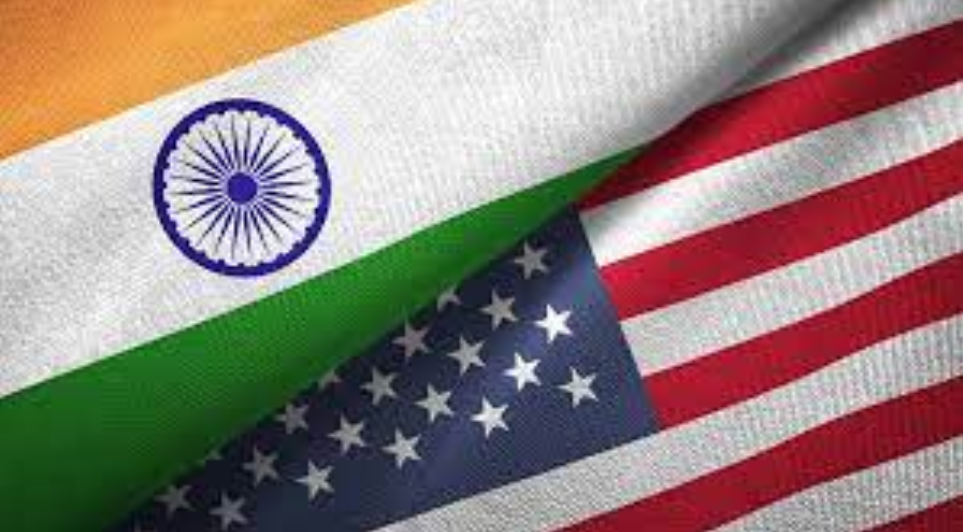
WASHINGTON–India and the United States are expanding cooperation to dismantle international drug-trafficking networks, prevent the diversion of chemicals used to manufacture synthetic narcotics and strengthen oversight of pharmaceutical supply chains, according to a White House statement.
The measures were discussed during the second India-U.S. Drug Policy Executive Working Group meeting, held in New Delhi on November 2-3, where officials from both countries identified intelligence sharing, coordinated law enforcement operations and emerging drug-trafficking threats as key priorities.
The White House Office of National Drug Control Policy (ONDCP) said the discussions also addressed efforts to reduce drug demand and prevent chemicals used in legitimate industries from entering illegal drug production networks.
India’s delegation was led by Narcotics Control Bureau (NCB) Director General Anurag Garg, while Debbie Seguin, Acting Deputy Director of ONDCP, headed the U.S. delegation.
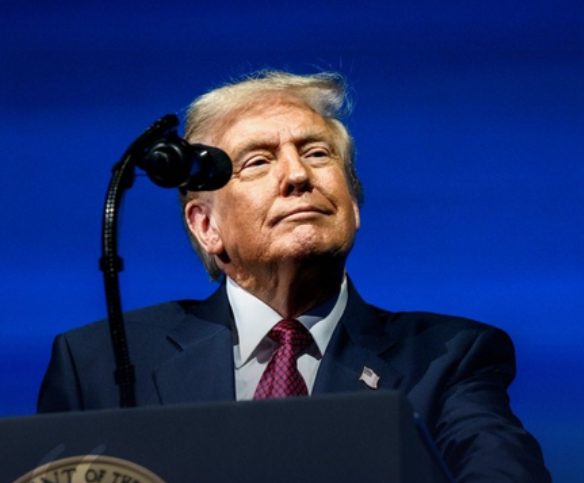
ONDCP Director Sara Carter emphasized the importance of bilateral cooperation in confronting international drug-trafficking organizations.
Cooperation is “vital to disrupting transnational drug trafficking networks and preventing the diversion of synthetic drugs and chemical precursors into global markets,” Carter said.
U.S. Ambassador to India Sergio Gor said the partnership was producing tangible results through joint enforcement efforts and stronger safeguards for commercial supply chains.
“India and the United States aren’t just talking about cooperation; we are delivering real operational results — choking off illicit precursor chemicals, securing commercial supply chains, and dismantling the cartels that exploit them,” Gor said.
During the meeting, Garg outlined India’s Vision Roadmap 2026-2029, a strategy designed to strengthen investigations into organized drug-trafficking operations.
The roadmap emphasizes targeting entire criminal networks, including financiers, chemical suppliers, intermediaries and transportation systems, rather than focusing exclusively on individual drug seizures.
It also calls for expanded financial investigations, drug prevention programs and rehabilitation initiatives.
Officials reviewed two Indian enforcement initiatives, Operation MedMax and Operation WIPE, which focus on illegal pharmaceutical distribution and online drug trafficking.
Operation MedMax, conducted in July 2025 using intelligence jointly developed by India’s NCB and the U.S. Drug Enforcement Administration, uncovered an international network involved in the illegal sale of regulated medicines.
According to Indian authorities, the trafficking organization operated across Asia, North America, Europe and Australia.
The investigation began with the seizure of 3.7 kilograms of tramadol tablets in India. Investigators subsequently identified a broader distribution network that allegedly relied on an online business-to-business platform, digital payment systems and international intermediaries to sell regulated medicines without legitimate documentation.
The delegations also discussed Operation WIPE, an initiative launched in April to identify and remove illegal online advertisements involving substances controlled under India’s narcotics laws.
The NCB said the operation identified 122 instances involving 62 regulated substances, including fentanyl, a powerful synthetic opioid.
The initiative monitors publicly accessible websites for listings offering controlled drugs and seeks cooperation from online platforms to prevent illegal sales.
Indian authorities said they have provided platforms with lists of controlled substances to help identify and remove prohibited listings.
Officials also discussed a voluntary code of conduct intended to prevent chemicals used in synthetic drug manufacturing from being diverted from legitimate commercial and pharmaceutical supply chains.
Both governments agreed to strengthen the exchange of intelligence and enforcement practices to address trafficking organizations that increasingly rely on digital platforms, international financial networks and complex supply chains.
The White House emphasized that continued communication and timely intelligence sharing would be essential as criminal organizations develop new methods to evade law enforcement.
The New Delhi meeting followed the working group’s inaugural session in Washington on January 20-21.
The discussions reflect a broader effort by India and the United States to strengthen cooperation against transnational narcotics trafficking while protecting legitimate pharmaceutical manufacturing and international trade. (Source: IANS)