US Justice Department Lets Ruling Stand on H-1B-Only Job Advertisements
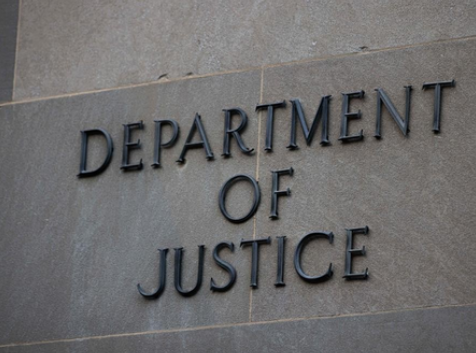

Washington — The U.S. Justice Department has allowed a ruling to stand that job advertisements specifically targeting H-1B visa holders do not automatically constitute unlawful discrimination against American workers, a decision with significant implications for employment practices involving foreign professionals.
Attorney General Todd Blanche declined to intervene before the expiration of a 60-day review period following an August 12 decision by an administrative law judge in the Justice Department’s Office of the Chief Administrative Hearing Officer (OCAHO), according to a report by Breitbart News.
The decision came despite an appeal from 13 Republican members of Congress who urged the department to reconsider the ruling.
The case originated from a complaint filed by U.S. Tech Workers against Boston Consulting Group over its participation in P33 Chicago H-1B Connect, an initiative that operated a job board specifically for H-1B visa holders.
The administrative law judge dismissed the complaint, concluding that discriminatory language in job advertisements, standing alone, does not establish a separate violation under the Immigration and Nationality Act.
The ruling stated that “discriminatory advertising does not represent a discrete cause of action under the INA.”
Instead, such advertisements may be considered evidence in cases involving discriminatory recruitment, hiring decisions or termination, rather than serving as the sole basis for legal action.
The Justice Department defended its decision not to intervene.
“The Department thoroughly reviewed the ALJ’s decision and stakeholder concerns, and ultimately determined that the underlying decision was consistent with OCAHO precedent,” the department said in a statement cited by Breitbart News.
The department also emphasized its commitment to protecting American workers from unlawful employment discrimination.
“The Department aggressively targets employers who discriminate against American workers through unlawful hiring practices,” the statement said.
In an October 9 letter to Blanche, Republican Representatives Paul Gosar and Chip Roy, joined by 11 other House lawmakers, expressed concern that the decision could undermine federal protections for U.S. workers.
The lawmakers argued that the ruling “suggests that section 274B does not provide a cause of action for discriminatory advertising.”
“If employers can expressly target foreign workers while discouraging Americans from applying, those protections are substantially weakened,” they wrote.
John Miano, an attorney representing U.S. Tech Workers, criticized the outcome, telling Breitbart News that the decision effectively reversed decades of enforcement efforts against discriminatory recruitment practices.
The development comes amid broader federal scrutiny of employers’ hiring practices involving foreign workers.
On the same day, the Justice Department announced that online grocery delivery company Instacart would pay $5 million to settle allegations that it discriminated against American workers during recruitment for positions connected to the employment-based green card process, commonly known as PERM.
In a separate case last week, data technology company Cloudera agreed to a two-year suspension from the PERM program following similar allegations.
The H-1B ruling is particularly relevant to Indian technology professionals, who account for the overwhelming majority of workers receiving visas through the program.
Indian nationals have represented more than 70% of approved H-1B petitions in recent years, reflecting their substantial presence in the U.S. technology and professional services workforce.
Many Indian professionals pursuing employment-based permanent residency also rely on the PERM labor certification process, which requires employers to meet specific recruitment and labor market requirements.
The latest ruling does not give employers unrestricted authority to exclude American applicants. Rather, it establishes that advertisements targeting H-1B workers are not independently actionable under the specific anti-discrimination provision considered in the case.
Workers challenging such practices would generally need to connect the advertising to unlawful conduct in recruitment, hiring or termination.
The outcome could influence how employers, immigration attorneys and worker advocacy groups approach disputes over hiring practices involving H-1B visa holders. (Source: IANS)