Pakistan Coalition Tensions Deepen After Disputed PoJK Elections
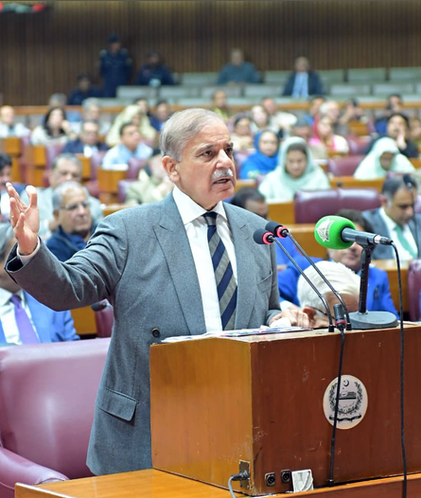

New Delhi — Tensions within Pakistan’s ruling coalition have intensified following disputed elections in Pakistan-occupied Jammu and Kashmir (PoJK), with Pakistan Peoples Party Chairman Bilawal Bhutto Zardari warning that his party would withhold cooperation from the Pakistan Muslim League-Nawaz government until its concerns over the polls are addressed.
The coalition partners have clashed since voting began in PoJK, with the PPP repeatedly accusing the PML-N of manipulating the electoral process, according to Pakistani media reports.
Bhutto Zardari accused the PML-N of “robbing the votes of the people through bullets, batons, and coercion,” describing the election as a theft of the public mandate.
The dispute has increased strains between the two parties, which remain coalition partners at the federal level even as they compete fiercely for political influence in PoJK.
The elections were accompanied by violence, protests and allegations of coercion and irregularities. Early results showed the PML-N securing a majority of seats before voting had been completed in all areas.
The Joint Awami Action Committee, which has organized protests against Islamabad’s policies in the region, called for a boycott of the elections, citing concerns over political autonomy and seats reserved for refugees. Internet restrictions and information blackouts during the election period also drew criticism.
The PPP has taken its objections to the PoJK High Court, arguing that a government should not be formed until polling is completed in the remaining districts.
Bhutto Zardari’s increasingly confrontational rhetoric has raised questions about whether the dispute could spill over into Pakistan’s federal coalition. He warned Prime Minister Shehbaz Sharif that “your countdown has begun,” signaling that the PPP could intensify its opposition if its concerns are not addressed.
The confrontation comes as Sharif’s government faces broader political and economic pressures, including inflation, strained public finances and austerity measures linked to Pakistan’s International Monetary Fund program.
Pakistan is also confronting continuing unrest and militant violence in several regions, including Balochistan and Khyber Pakhtunkhwa, while protests in PoJK have added another source of political pressure.
If relations between the PPP and PML-N deteriorate further, the dispute could complicate the Sharif government’s ability to maintain its parliamentary coalition and pursue its policy agenda.
The controversy surrounding the PoJK elections has also renewed debate over Islamabad’s administration of the territory, which Pakistan officially refers to as Azad Jammu and Kashmir. Critics argue that the allegations of electoral interference and restrictions surrounding the vote undermine Pakistan’s claims regarding the region’s political autonomy. (Source: IANS)