Tibet-Nepal Floods Put China’s Death Toll Gap and Rising Climate Risks Under Spotlight

ROME— The devastating floods and glacier-related disaster that struck the Tibet-Nepal border in August continue to raise questions over the sharply different casualty figures reported on the two sides of the border, as well as the growing risks posed by a warming Himalayan environment.
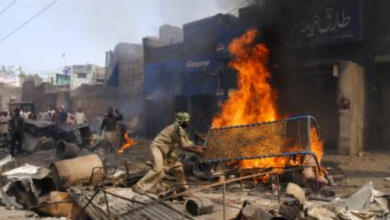
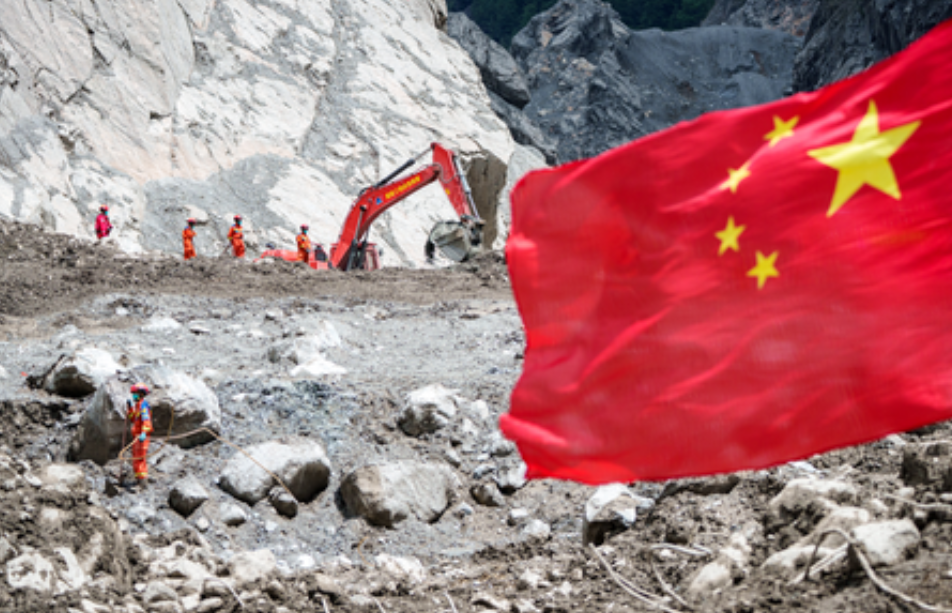
The disaster began on August 26, when a massive collapse of ice, rock and debris in the Himalayan region triggered destructive flooding along river valleys in Nepal and Tibet. The event destroyed roads, bridges and power infrastructure and severely damaged the Gyirong border crossing on the Chinese side.
According to Nepal’s disaster authorities, the country’s death toll had reached 1,451, with 5,745 people still reported missing, as of September 21. On the Chinese side, authorities have reported 43 deaths and 519 missing people in Tibet, including foreign nationals.
The wide difference in the figures has drawn scrutiny from international media and other observers. A report published by Italy-based online magazine Bitter Winter questioned the disparity and raised concerns about the availability of information from the Chinese-controlled side of the border.
Chinese authorities have rejected suggestions that casualty information has been deliberately suppressed. The Chinese government has maintained that its response and reporting have been transparent, while concerns have been raised by families and some foreign diplomats over access to information and the identification of missing people.
The scale of the physical destruction has nevertheless been documented through satellite imagery and other reporting. Satellite comparisons showed extensive damage around Kyirong County, including the destruction of customs buildings, a bridge and other infrastructure.
The Bitter Winter report cited satellite imagery suggesting that a large section of glacier at an elevation of around 5,200 metres broke away and generated a fast-moving mixture of ice, rock, mud and sediment.
The report said the resulting flow reached the Gyirong border area within minutes and caused extensive destruction before continuing downstream into Nepal.
Beyond the immediate death toll, the disaster has prompted renewed attention to the vulnerability of Himalayan communities and infrastructure to climate-related hazards.
The Bitter Winter report cited Wang Pengling, a senior engineer at China’s National Climate Center, as warning that climate change is altering the stability of high-mountain environments and increasing the potential for cascading hazards.
Wang, according to the report, said changes in the cryosphere could increase the risk of ice avalanches, glacial lake outburst floods and glacier-related debris flows.
The report also cited data from the China Climate Bulletin 2026, covering 2004 to 2025, which it said showed temperatures at the upper boundary of permafrost rising by an average of 0.34 degrees Celsius per decade.
Permafrost degradation is significant because frozen ground helps stabilize mountain slopes and infrastructure. As temperatures rise and frozen ground thaws, the stability of slopes and downstream hydrological systems can be affected.
The August disaster has therefore raised a broader question beyond the immediate search for victims: whether Himalayan communities and infrastructure are adequately prepared for increasingly complex combinations of glacier collapse, landslides, flooding and other cascading hazards.
Nepal has announced plans to drain four high-altitude glacial lakes considered particularly dangerous, alongside measures including sensors, flood forecasting systems and new drainage infrastructure. The initiative is intended to reduce the risk of future glacial lake-related disasters.
The continuing uncertainty over the full human toll on the Chinese side, together with growing evidence of environmental change across the Tibetan Plateau, has put both disaster information and climate resilience under renewed scrutiny. (Source: IANS)