Young Blood Cells May Help Malaria Parasites Evade Drugs, RGCB Study Finds

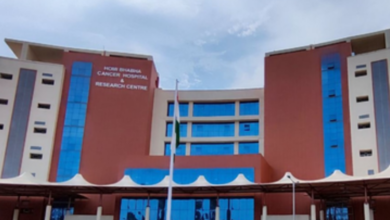
Thiruvananthapuram — Scientists at the Rajiv Gandhi Centre for Biotechnology have identified a new mechanism that may help malaria parasites withstand artemisinin, one of the world’s most widely used anti-malarial drugs.
The study, published as an Editor’s Choice article in The Journal of Infectious Diseases, found that young red blood cells, known as reticulocytes, can create a protective environment that allows malaria parasites to survive drug-induced stress.
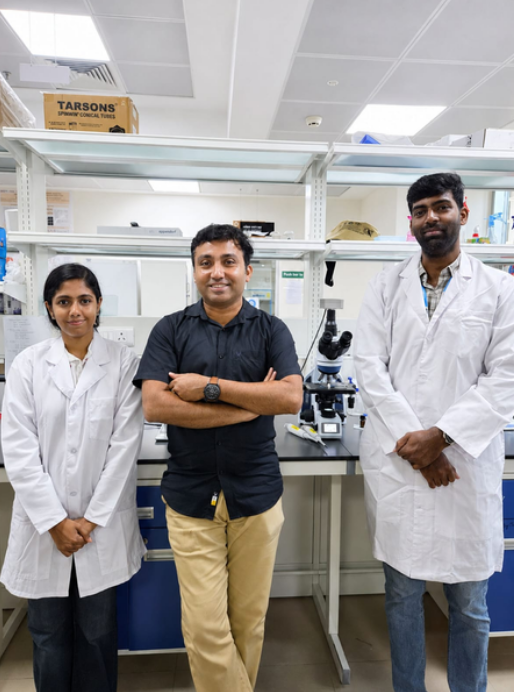
The research was led by Christeen Davis and colleagues at BRIC-RGCB. The findings challenge the long-held view that artemisinin resistance is driven mainly by genetic changes in the parasite.
Instead, researchers found that the condition of the host cell infected by the parasite can significantly influence how well treatment works.
The study was conducted by scientists from BRIC-RGCB, an institution under the Biotechnology Research and Innovation Council, in collaboration with researchers from IISER Thiruvananthapuram, Cosmopolitan Hospital in Thiruvananthapuram and CSIR-National Chemical Laboratory in Pune.
“The biology of the host cell can significantly influence how malaria parasites respond to treatment. The parasite is not acting alone; it exploits the natural antioxidant defences present in young blood cells to protect itself from drug-induced stress,” said Dr. Rajesh Chandramohanadas, senior author of the study and principal investigator at RGCB.
Researchers said the findings could help explain why some malaria patients experience delayed parasite clearance or persistent infection despite receiving standard treatment, even when they do not have known genetic markers of drug resistance.
BRIC-RGCB Director Dr. Beena Pillai said the discovery highlights the importance of understanding host-parasite interactions in developing better malaria treatment strategies.
Researchers believe future therapies could target not only the parasite but also the cellular environment that helps it survive.
The study may open new approaches to improving the effectiveness of existing anti-malarial drugs, especially in children, anemic patients and people recovering from blood loss or infections, who often have higher levels of reticulocytes.
With malaria continuing to affect millions of people worldwide, the findings offer a new perspective on why some infections persist and how treatment outcomes could be improved. (Source: IANS)