Dalai Lama Congratulates D.K. Shivakumar on Election as Karnataka Chief Minister
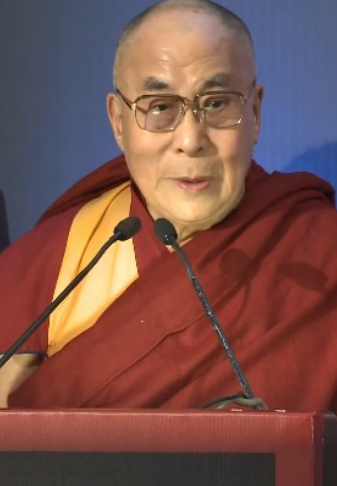

DHARAMSALA, India — Tibetan spiritual leader the Dalai Lama on Thursday congratulated D.K. Shivakumar on being elected chief minister of Karnataka and thanked the state government and its people for their support of the Tibetan community.
In a letter to Shivakumar, the Dalai Lama noted that Karnataka is home to more than 30,000 Tibetans in exile, the largest concentration of the Tibetan diaspora in India.
“We are deeply grateful to the state and its people for their enduring friendship and generous support,” the Dalai Lama wrote. “It is a source of great pride that our principal centers of learning, rooted in the Nalanda tradition of ancient Indian wisdom, have found their home in Karnataka.”
The Dalai Lama also expressed appreciation for the hospitality extended to Tibetans living in the state.
“I take this opportunity to convey our heartfelt appreciation to the state government and people of Karnataka for the warmth and hospitality they have extended to the Tibetan community settled there,” he said.
He wished Shivakumar success in office and urged him to focus on the needs of vulnerable residents.
“I wish you every success in meeting the challenges that may lie ahead, and in honoring the hopes and aspirations of the people of Karnataka, particularly in making a real difference to the lives of its most vulnerable citizens,” the Dalai Lama wrote.
The Dalai Lama concluded the letter by offering his prayers and good wishes.
The 14th Dalai Lama, who lives in exile in McLeodganj near Dharamsala in northern India, has long described himself as a “son of India,” often citing the influence of ancient Indian thought and the Nalanda tradition on Tibetan Buddhism.
“All particles in my mind contain thoughts from Nalanda. And it’s Indian dal and chapati that has built this body. I am mentally and physically a son of India,” he has said in past addresses.
The Dalai Lama was born July 6, 1935, in a village in the Amdo region of Tibet. He fled Tibet in March 1959 after a failed uprising against Chinese rule and has since advocated a “middle way” approach, seeking greater autonomy for Tibet rather than outright independence.
Ahead of his 90th birthday last year, the Nobel Peace Prize laureate confirmed that he would have a successor, addressing speculation about the future of the centuries-old institution. (Source: IANS)