Study Links Microplastics to Potential Liver Disease Risk
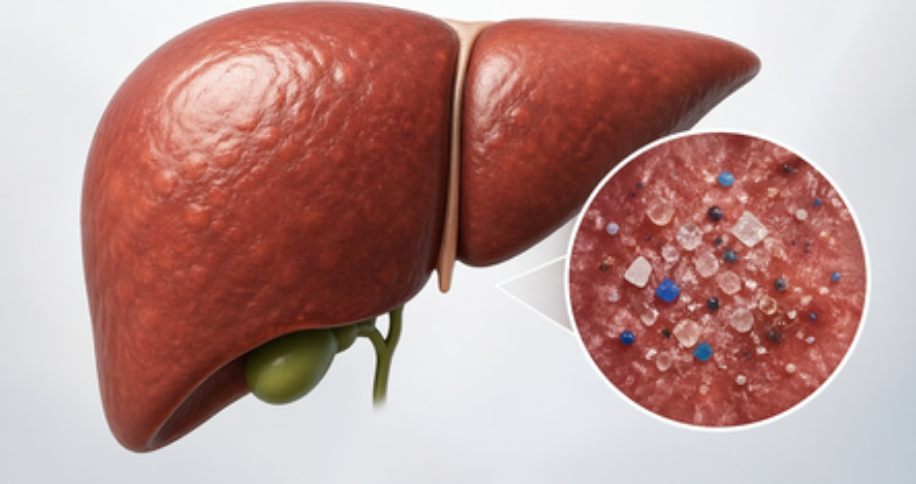

NEW DELHI — Exposure to microplastics and nanoplastics may contribute to liver disease by triggering harmful biological responses, according to researchers highlighting emerging evidence on the health risks of plastic pollution.
A review published in the journal Nature Reviews Gastroenterology & Hepatology found that these particles can cause oxidative stress, inflammation, and fibrogenesis in animal studies — processes that mirror advanced liver disease in humans.
Researchers said the liver, which plays a central role in filtering and detoxifying substances in the body, may be particularly vulnerable. Microplastics could act as carriers for harmful agents, including microbial pathogens, antimicrobial resistance factors, endocrine-disrupting chemicals, and carcinogenic additives.
Shilpa Chokshi, the study’s lead author and a professor of experimental hepatology, said liver disease is increasing worldwide and now accounts for roughly 1 in 25 deaths globally.
“While established risk factors such as obesity and harmful alcohol use remain central, they do not fully explain the scale or pace of this increase. This has led us to consider additional environmental factors, including micro- and nanoplastics, which may interact with existing disease processes and amplify liver injury,” Chokshi said.
The review noted strong evidence that plastics can accumulate in animal livers and cause damage, raising concerns about similar effects in humans.
Researchers also identified significant gaps in current knowledge, including technical and methodological challenges that make it difficult to fully assess the impact of plastic exposure on human liver health.
Chokshi said growing evidence suggests plastics are already present in human tissues and may be linked to a range of health conditions.
“From my perspective, having spent over two decades developing therapeutics for liver disease, the liver acts as the body’s gatekeeper — processing and detoxifying what we are exposed to. In an increasingly plastic-laden world, where plastics are closely associated with our food, water and air, these exposures may not only reach the liver but also interact with existing disease processes and amplify harm,” she said.
Researchers said further investigation is needed to better understand the extent of the risk.
Richard Thompson, a professor of marine biology at the University of Plymouth, said the findings add to growing evidence that plastic pollution poses a serious global environmental and public health challenge. (Source: IANS)