U.S. Courts Rebuke ICE Over Detention of Indian Nationals, Citing Due Process Violations
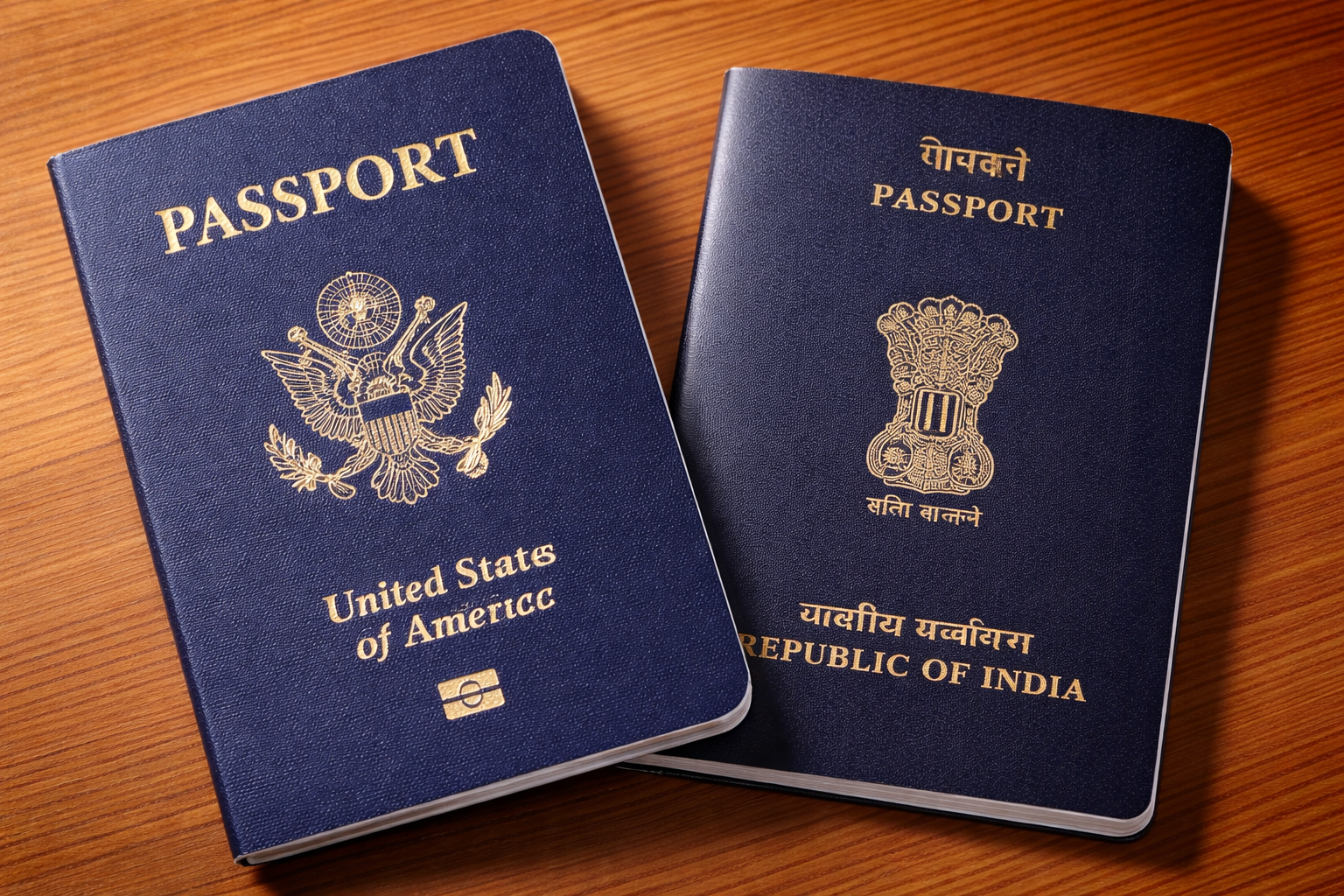

WASHINGTON, D.C. — U.S. federal courts in several states have ruled against Immigration and Customs Enforcement in a series of cases involving Indian nationals, finding that the agency unlawfully detained individuals without bond hearings or basic due process protections required under federal law.
Judges in California, Michigan, and Pennsylvania issued rulings this month ordering the release of Indian citizens or directing ICE to provide prompt bond hearings. In each case, the courts rejected the government’s reliance on mandatory detention provisions for individuals who had already been living in the United States.
In California, the U.S. District Court for the Southern District of California ordered the immediate release of Vikas Kumar, an Indian national held at the Otay Mesa Detention Center. The court found that ICE unlawfully revoked Kumar’s parole without notice, explanation, or a hearing, in violation of the Fifth Amendment’s Due Process Clause.
Kumar entered the United States in March 2024 and was released on conditional parole after authorities determined he was not a flight risk or a danger to the community. He later obtained work authorization, a driver’s license, and a Social Security number, and applied for asylum. He was re-arrested in December 2025 while working as a food delivery driver. The court said the government failed to show any changed circumstances justifying his detention and ordered his release under the original parole conditions.
In Michigan, the U.S. District Court for the Western District of Michigan granted habeas relief to Varun Varun, an Indian citizen detained at the North Lake Processing Center. The court ruled that ICE improperly held him under a mandatory detention statute that applies to arriving noncitizens, even though he had been living in the United States before his arrest.
Varun entered the country in April 2023 and was initially released on his own recognizance. He later applied for asylum and lived in California before being arrested in December 2025 while working as a truck driver. The court ordered ICE to provide a bond hearing within five business days or release him, concluding that his continued detention violated due process.
In a separate case, the same Michigan court granted similar relief to Sumit Tulsibhai Patel, another Indian national held at the North Lake facility. Patel entered the United States in 2021 and was released on bond before being re-arrested in 2025. The court found that ICE again misapplied mandatory detention rules and ordered either a bond hearing or his release, citing constitutional concerns.
In Pennsylvania, the U.S. District Court for the Eastern District of Pennsylvania ordered the release of Amit Kanaut, an Indian citizen detained during a routine ICE check-in in December 2025. Kanaut entered the United States in 2022, complied with reporting requirements, worked legally, and pursued an asylum claim. The court rejected the government’s argument that he was subject to mandatory detention as an “applicant for admission,” noting that he had been residing in the country for nearly three years. Detaining him without a bond hearing, the judge said, “offends due process.”
Across the cases, judges criticized a recent government policy directing ICE to treat many undocumented immigrants as subject to mandatory detention even if they had been living in the United States. Courts repeatedly held that such individuals fall under a different section of immigration law that allows release on bond.
The rulings also emphasized that noncitizens released after an initial custody determination have a protected liberty interest. Judges said parole or bond cannot be revoked without notice, a stated reason, and an opportunity to be heard.
The decisions add to a growing body of case law pushing back against ICE detention practices and reaffirming that immigration enforcement must comply with constitutional due process protections, including for Indian nationals seeking asylum in the United States. (Source: IANS)