57 Indian American Candidates on Ballot Across US in Midterm Elections
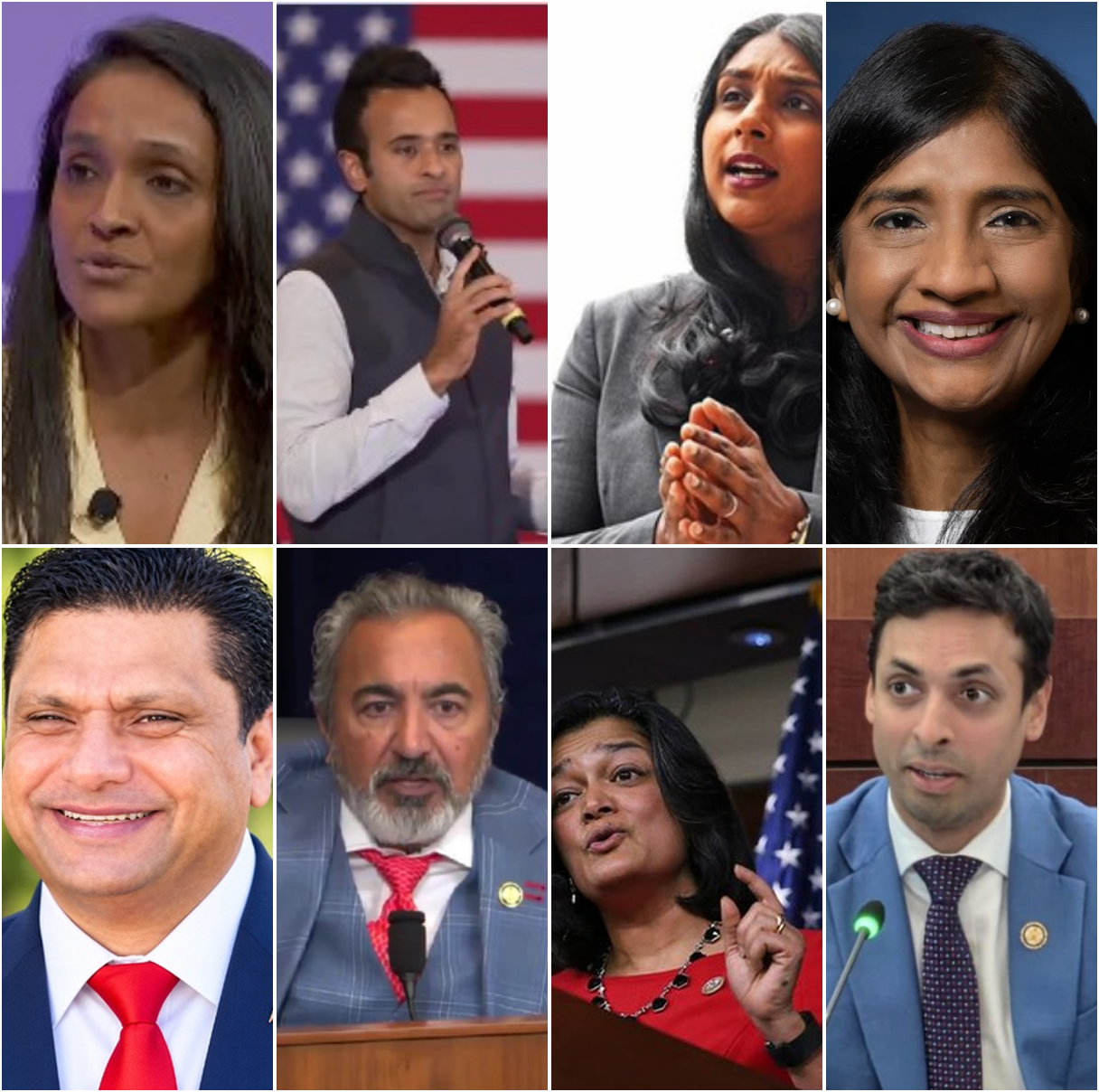

WASHINGTON–At least 57 Indian American candidates are seeking elected office across the United States in Tuesday’s midterm elections, competing in races ranging from the U.S. Senate and Congress to governorships, state legislatures and local government positions.
The candidates represent a growing Indian American presence in American politics, with several high-profile contests drawing national attention, including the Ohio governor’s race and the Los Angeles mayoral election.
According to a review of candidates whose Indian heritage could be confirmed, the November 3 ballot includes one U.S. Senate candidate, 11 U.S. House candidates, three candidates for statewide office, 36 state legislative candidates and six candidates seeking local positions.
An additional 15 candidates believed to be of Indian origin were excluded from the count because their heritage could not be independently confirmed.
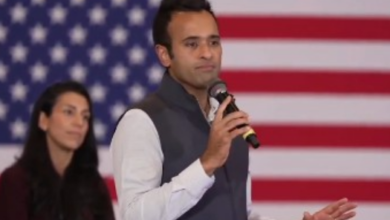
Among the most closely watched candidates is Republican Vivek Ramaswamy, the biotechnology entrepreneur and former presidential candidate who is running for governor of Ohio against Democrat Amy Acton.
Ramaswamy, who gained national prominence during the 2024 Republican presidential primaries, faces a competitive contest as recent polling suggests Acton holds a narrow advantage.
The FiftyPlusOne polling average on Sunday showed Acton leading Ramaswamy by approximately three percentage points heading into Election Day.
Another major contest involves Indian American Los Angeles City Council member Nithya Raman, who is challenging incumbent Mayor Karen Bass.
A final survey conducted by the University of California, Berkeley’s Institute of Governmental Studies, in partnership with the Los Angeles Times, found Raman and Bass tied at 40% support each, with 19% of respondents undecided.
In New York, Republican Saritha Komatireddy is challenging Democratic Attorney General Letitia James.
A Siena College poll released October 28 showed James leading Komatireddy by 54% to 39%.
Maryland Lieutenant Governor Aruna Miller, a Democrat, is also seeking reelection as part of the Democratic ticket, facing Republican opposition that includes Dan Cox.
In Massachusetts, independent candidate Shiva Ayyadurai is challenging Democratic U.S. Senator Ed Markey.
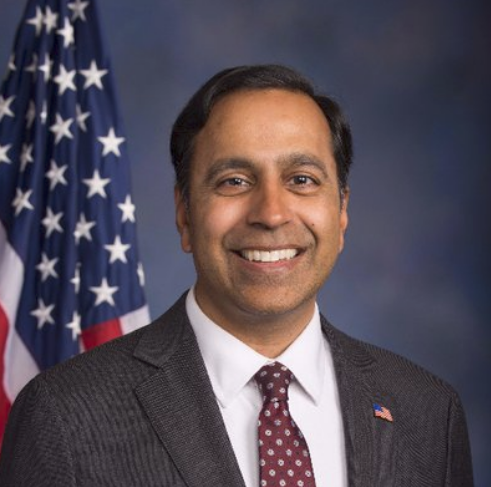
Eleven Indian American candidates are competing for seats in the U.S. House of Representatives, including four incumbent Democrats seeking reelection.
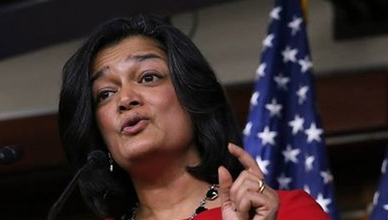
They are Ro Khanna and Ami Bera of California, Pramila Jayapal of Washington and Suhas Subramanyam of Virginia.
Two congressional races feature Indian American candidates competing directly against one another.
In California’s 17th Congressional District, Khanna faces Republican Ritesh Tandon, a Silicon Valley entrepreneur.
In Washington’s 7th Congressional District, Jayapal is being challenged by Republican Nirav Sheth, a former U.S. Marine who was born in Gujarat, India.
Both districts are considered safe for Democrats by the Cook Political Report and other election forecasters.
Other Indian American candidates are competing in more closely contested congressional races.
Democrat Amish Shah is running in Arizona’s 1st Congressional District, while Democrat Pia Dandiya is seeking election in Florida’s 22nd Congressional District.
Both are competing for open seats that political analysts consider competitive.
Federal campaign finance records indicate that fundraising and outside spending have continued in the final days before the election.
In Florida, a newly established super PAC called Floridians for Affordability reported spending approximately $14,000 on text messages supporting Dandiya on October 30.
That expenditure brought the group’s total reported spending in support of her candidacy to approximately $220,000, according to a 24-hour independent expenditure report filed with the Federal Election Commission on October 31.
In Arizona, Shah’s campaign reported receiving 15 contributions totaling $26,000 on October 30.
An analysis of six Federal Election Commission filings showed that the campaign’s 48-hour contribution notices for October 25 through October 30 totaled approximately $100,000.
The figures are based on campaign filings that are self-reported and remain subject to amendment.
Other Indian American congressional candidates include Republican Mahesh “Max” Ganorkar, running in North Carolina’s 4th Congressional District, and independent candidates Sandeep Dixit in Ohio’s 13th District and Anil Kumar in Michigan’s 11th District.
Beyond federal and statewide contests, 36 Indian American candidates are seeking seats in state legislatures across 22 states.
California, Illinois and New York have the largest numbers of candidates in this category, with four each.
The broad geographic distribution reflects the increasing participation of Indian Americans in state-level politics, extending beyond traditional population centers with large South Asian communities.
Several Indian American candidates are also competing for local government offices.
In Utah, Salt Lake County District Attorney Sim Gill is among those seeking elected office.
In California, Oakland City Council member Janani Ramachandran is on the ballot, while Rohit Malhotra is running for a seat on the Fulton County Commission in Georgia.
These local races encompass positions involved in public safety, municipal governance and county administration.
The 57 confirmed Indian American candidates represent a range of political affiliations, including Democrats, Republicans and independents.
Their campaigns span some of the country’s most prominent political contests as well as legislative and local races that receive less national attention.
The inclusion of Indian American candidates in major gubernatorial, congressional and municipal elections also highlights the community’s expanding role in American electoral politics.
Voters across the United States will head to the polls Tuesday, November 3, with the results determining which candidates advance to positions of influence in federal, state and local government.
For the Indian American community, the elections will provide another measure of its growing participation and representation in the American political system. (Source: IANS)