WOY Video Intervoew Series: Deepali Gulati of Saheli Boston on Supporting Survivors and Building Safer Communities


The Executive Director of Saheli Boston shares how culturally responsive services, community partnerships, and survivor-centered leadership are helping South Asian and Arab women rebuild their lives after domestic violence.
Domestic violence advocacy requires more than crisis response—it demands empathy, cultural understanding, and long-term solutions that empower survivors to rebuild their lives.
For Deepali Gulati, Executive Director of Saheli Boston, that mission is at the center of everything she does.
In our video interview, Deepali shares insights into her leadership journey, the critical work Saheli Boston is doing across the region, and why culturally responsive support is essential for survivors of domestic and gender-based violence.
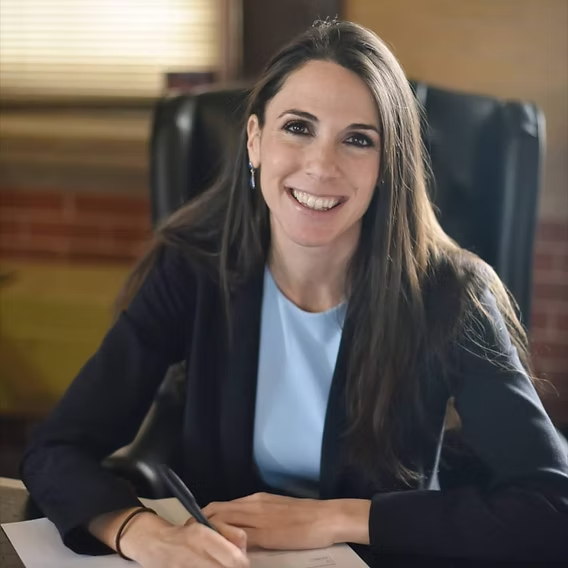
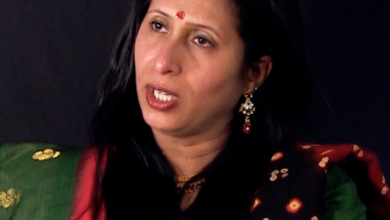
To watch the full interview, please click here, or on the image below.
Supporting Survivors with Culturally Responsive Services
Saheli Boston is a vital resource for South Asian and Arab women and families experiencing domestic violence. The organization provides confidential, survivor-centered support designed to address the unique cultural, immigration, and social challenges many survivors face.
Since joining Saheli in 2020, Deepali has helped expand and strengthen programs that give survivors the tools they need to regain stability and independence.
Key services include:
-
Immigration advocacy and guidance
-
Legal support and referrals
-
Housing stabilization
-
Economic empowerment programs
Together, these services help survivors move beyond crisis toward long-term safety and self-sufficiency.
Strengthening a Critical Community Organization
Over the past year, Deepali served as Interim Executive Director, guiding Saheli Boston through a period of strategic growth and operational strengthening.
During this time, she worked to streamline internal systems, strengthen compliance and governance, and build deeper partnerships with public agencies and community organizations across Massachusetts.
Her leadership also helped secure significant funding to sustain and expand Saheli’s work—including federal grants and a major award from the Cummings Foundation. These resources will allow the organization to serve more survivors and expand its reach in the years ahead.
Raising Awareness and Preventing Violence
Beyond direct support services, Deepali is committed to addressing the root causes of domestic and gender-based violence through community outreach and prevention.
She has helped grow Saheli’s Outreach and Prevention initiatives by partnering with schools, universities, and community groups to raise awareness about healthy relationships, survivor support, and gender equity.
One of the organization’s most visible initiatives is the annual Domestic Violence Awareness Walk—an event that brings together survivors, advocates, and community members in a shared commitment to healing and change.
The walk has quickly become a meaningful community tradition focused on awareness, solidarity, and hope.
Leadership Rooted in Compassion
Deepali combines strategic nonprofit leadership with deep compassion for the communities she serves. She holds a Nonprofit Management Certificate from Harvard Extension School along with advanced degrees in communications—skills that help her advocate effectively for survivors while strengthening organizational impact.
Her leadership reflects a powerful commitment to:
-
Amplifying survivor voices
-
Breaking down barriers to safety and resources
-
Building equitable and supportive communities
For her dedication and impact, Deepali has been recognized as one of the Outstanding Women of 2026—a reflection of her tireless work to create safer futures for women and families.
Watch the Interview
In the video interview accompanying this article, Deepali Gulati discusses the challenges survivors face, the importance of culturally specific advocacy, and her vision for the future of Saheli Boston.
Her message is clear: when communities come together with compassion, resources, and determination, real change is possible.