U.S. Seeks Strict Limits on Classified Material in Prosecution of Analyst Ashley Tellis
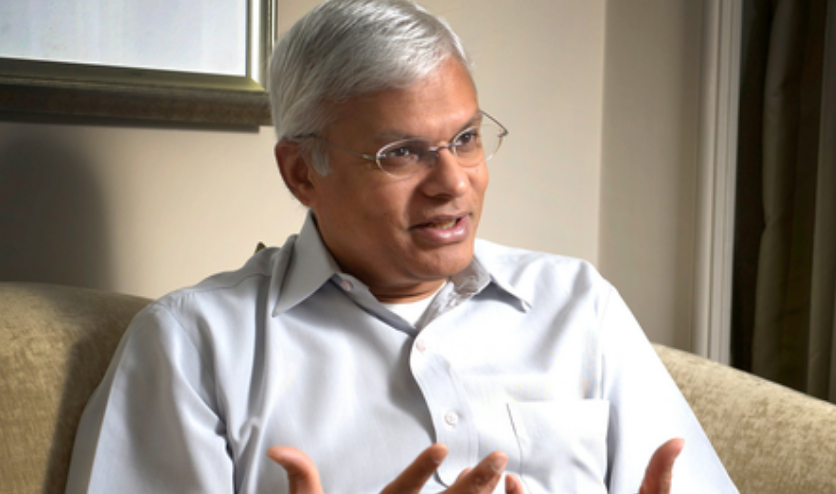

WASHINGTON — The U.S. government has asked a federal court in Virginia to impose tight restrictions on access to classified material in the criminal case involving Indian American strategic analyst Ashley J. Tellis, whose recent arrest has drawn intense attention across Washington’s policy and academic circles.
In a filing submitted to the Eastern District of Virginia, prosecutors said the court must issue a protective order under the Classified Information Procedures Act (CIPA) to prevent the disclosure of classified information provided to the defense during the case. They argued the order is essential “to protect the national security” and would strictly regulate how discovery is handled by limiting the use and dissemination of any sensitive documents.
Tellis was arrested in Northern Virginia earlier in November following a federal inquiry into his alleged handling of classified information. He made his first court appearance shortly after his detention. A prominent figure in U.S.–India policy debates, Indo-Pacific strategy, and Asian security analysis, Tellis has long been a respected voice in Washington think tanks and academic institutions.
According to court filings, Tellis and his legal team have reviewed the proposed protective order and agreed, at least initially, to its terms. Prosecutors noted that “the defense consents to its terms for now, in the hope that the consent will accelerate the production of at least some of the classified documents.” However, his attorneys have also expressed “reservations about certain provisions” and formally reserved the right to challenge any future decision limiting access to specific classified materials.
Under the order, Tellis’s legal team must review all classified information exclusively inside a government-approved Secure Area. The facility cannot be used for ordinary conversations or any electronic communications. “No classified documents, material, recordings, or other information may be removed from the Secure Area unless so authorized by the CISO,” the filing states. Any discussion involving classified content is barred from taking place over the phone, email, or the internet.
Tellis is also bound by what prosecutors described as a “continuing contractual obligation to the government not to disclose to any unauthorized person classified information known to him or in his possession.” The filing states the government “is entitled to enforce that agreement.”
The case continues to draw significant scrutiny in Washington, given Tellis’s longstanding role in shaping debates on U.S. policy toward India and the Indo-Pacific, as well as his influence across government, academia, and strategic research circles. (Source: IANS)