Tariffs Strain U.S.-India Ties, Slow Quad Momentum, Senate Report Says
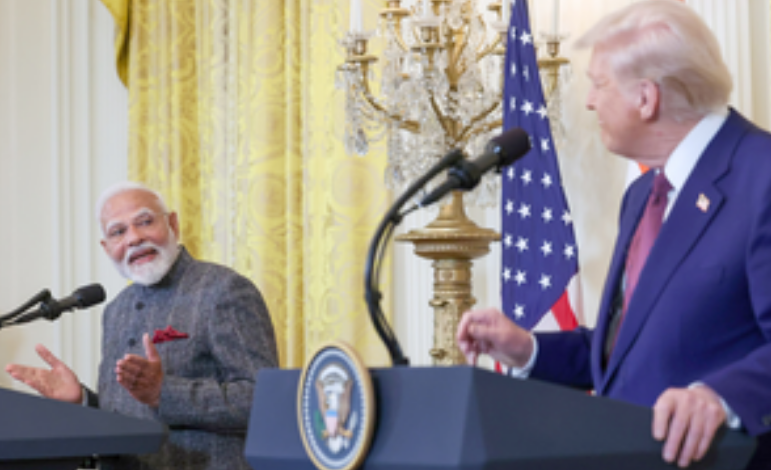

WASHINGTON — Tariffs imposed by the United States on India in 2025 triggered a “crisis of trust” between the two countries and slowed momentum within the Quad partnership, according to a report released by Democratic members of the Senate Foreign Relations Committee.
The report says steep tariffs introduced by the Donald Trump administration in August 2025 strained relations with India, which Washington considers one of its most important strategic partners in the Indo-Pacific.
“In India, a country with which the past five American Presidents and both parties in Congress have sought to build a lasting strategic partnership, President Trump imposed tariffs… so steep that it provoked a crisis of trust in the relationship,” the report said.
According to the document, the standoff between Washington and New Delhi lasted about six months and was partly driven by tensions over India’s continued imports of Russian oil and the U.S. effort to claim credit for mediating the 2025 India-Pakistan conflict.
The report states that the dispute strengthened political voices within India that have historically opposed closer strategic cooperation with the United States.
“The crisis emboldened the Russia-aligned voices in India that have long resisted meaningful cooperation between the world’s two largest democracies,” the report said.
The tensions also affected the Quad partnership, a strategic grouping that includes the United States, India, Japan, and Australia.
According to the report, the dispute “stalled momentum” within the Quad and led to the postponement of a planned U.S.-India Leaders’ Summit.
The diplomatic pause created opportunities for both China and Russia to deepen engagement with New Delhi, the report said.
Chinese President Xi Jinping and Russian President Vladimir Putin met with Indian Prime Minister Narendra Modi on multiple occasions during the period of strained relations.
The report also pointed to Modi’s visit to China — the first in seven years — as evidence of how geopolitical dynamics shifted during the dispute.
It said the developments demonstrate how tensions between Washington and New Delhi can reshape strategic alignments in Asia.
The Indo-Pacific region remains central to global geopolitics, accounting for roughly half of the world’s population and nearly two-thirds of the global economy, the report noted.
For the United States, maintaining strong partnerships in the region — particularly with India — is considered critical to balancing China’s growing economic and military power.
However, the Senate report warned that inconsistent policies toward allies could undermine that strategy.
“Over the past year, tariff policies, termination of foreign assistance programs, and wavering commitments to allies… have called into question America’s commitment to a free and open Indo-Pacific,” the report said.
China, the report added, has taken advantage of the tensions by increasing military activity in the Taiwan Strait and expanding its economic influence across the region.
The findings come as Washington and New Delhi continue efforts to deepen defense cooperation and technology partnerships while managing differences over trade and India’s relationship with Russia. (Source: IANS)