
By Diotima Bose
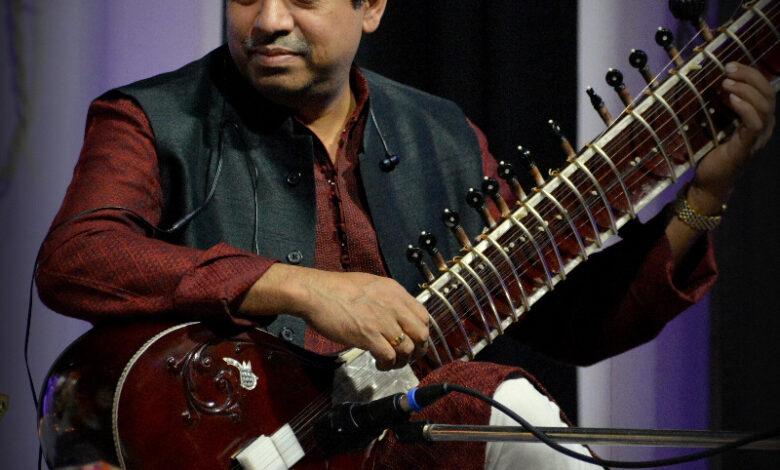
BOSTON–The surbahar occupies a rare, distinctive place among all the instruments of Hindustani classical music. Though its external appearance resembles the sitar, it is, in artistic conception and musical activity fundamentally different – an instrument that discloses a deeper, slower, and introspective realm of raga.
Its emergence in North Indian music reflected a significant stage in the advancement of instrumental performance. This occurred at a time when musicians sought to preserve the spacious, meditative beauty of original dhrupad aesthetics within the growing landscape of fretted string instruments.
 The surbahar underwent development in the late eighteenth to nineteenth century and became noteworthy for its power to sustain a lengthy, slow-paced “alap” with gravitas and resonance. Although the sitar gradually emerged as the more renowned instrument, esteemed for radiance, agility, and scintillating rhythmic energy – the surbahar followed a different trajectory.
It was designed not for merely speed or virtuosity, but for structured and systematic elaboration of the raga. It characterises the measured revelation of notes, the sonority of the lower tonal range, and the expressive breadth of wide “meend” that can evoke an almost vocal or veena-like continuity. Thus, the surbahar helped retain an earlier aesthetic vision within Hindustani music – one grounded in repose, spaciousness, and tonal depth.
This distinction from the conventional sitar is vital to appreciating surbahar’s contribution. The sitar, with its luminous timbre and greater ease in swift passages, became a compelling medium for khayal-influenced instrumental expression and for the modern concert format. On the contrary, the surbahar embodied a more reflective artistic ideal. Its deeper pitch, heavier stringing, and richer resonance enables it to dwell within the expressive landscape of a raga.
The surbahar can illuminate where the sitar can enthrall; the surbahar leads the listener into an inward state where the sitar is directed externally. Both the instruments signify not just two variants within the same family, but two distinct modes to musical pacing and expressive character.
The role of surbahar in defining Hindustani classical music is hence, nuanced yet profound. It served as a bridge between ancient beenkar and dhrupad traditions and later styles of string performance. By upholding the values of gradual elaboration, sonic depth, and meditative stillness, it ensured that Hindustani instrumental music did not advance solely towards speed and splendor, but preserved reflection, poise, and expansive structure of raga.
Although it is encountered less frequently in the contemporary era, its impact remains embedded into the broader musical sensibility that continues to live on in Hindustani music presentation today.
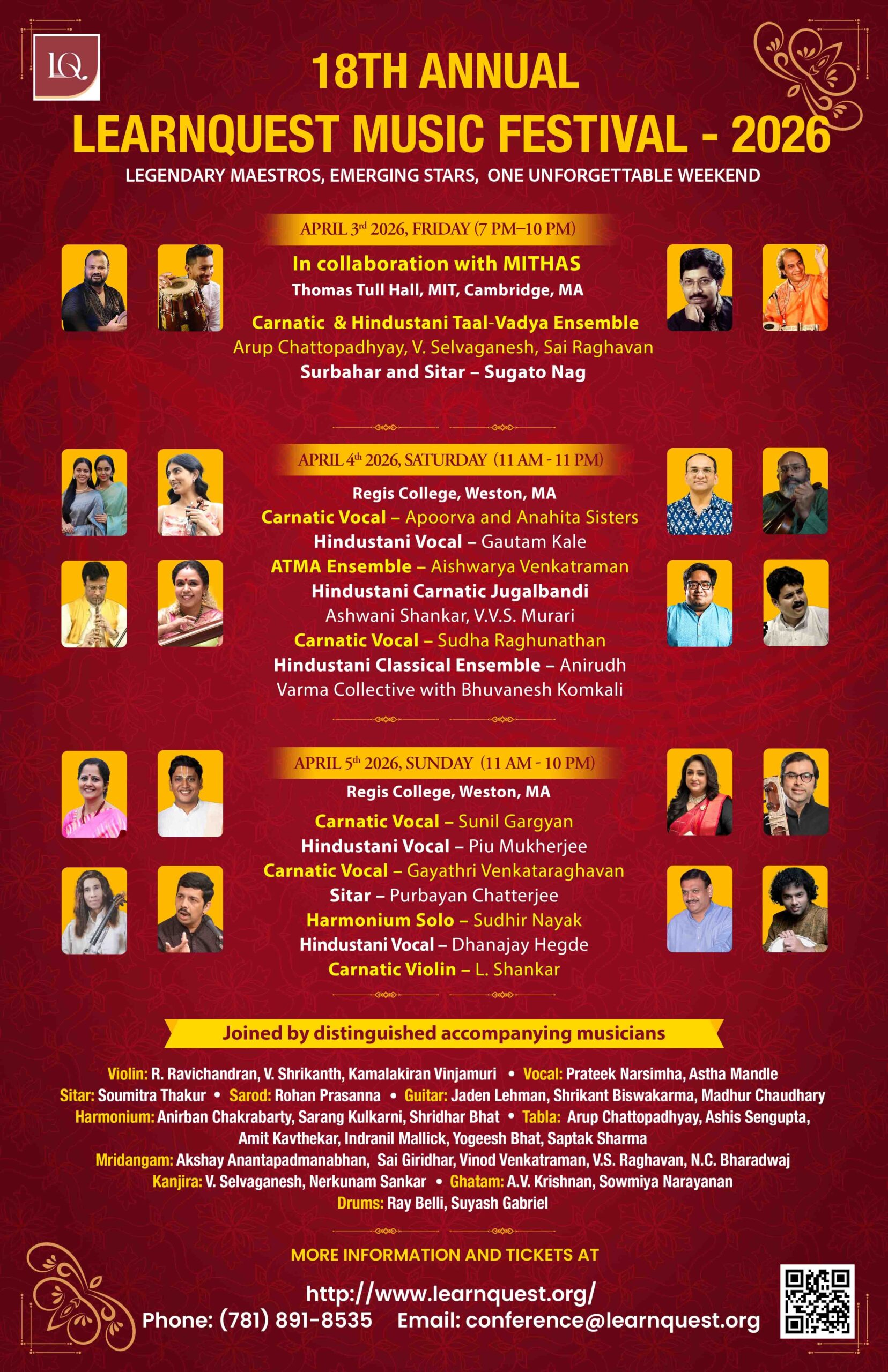
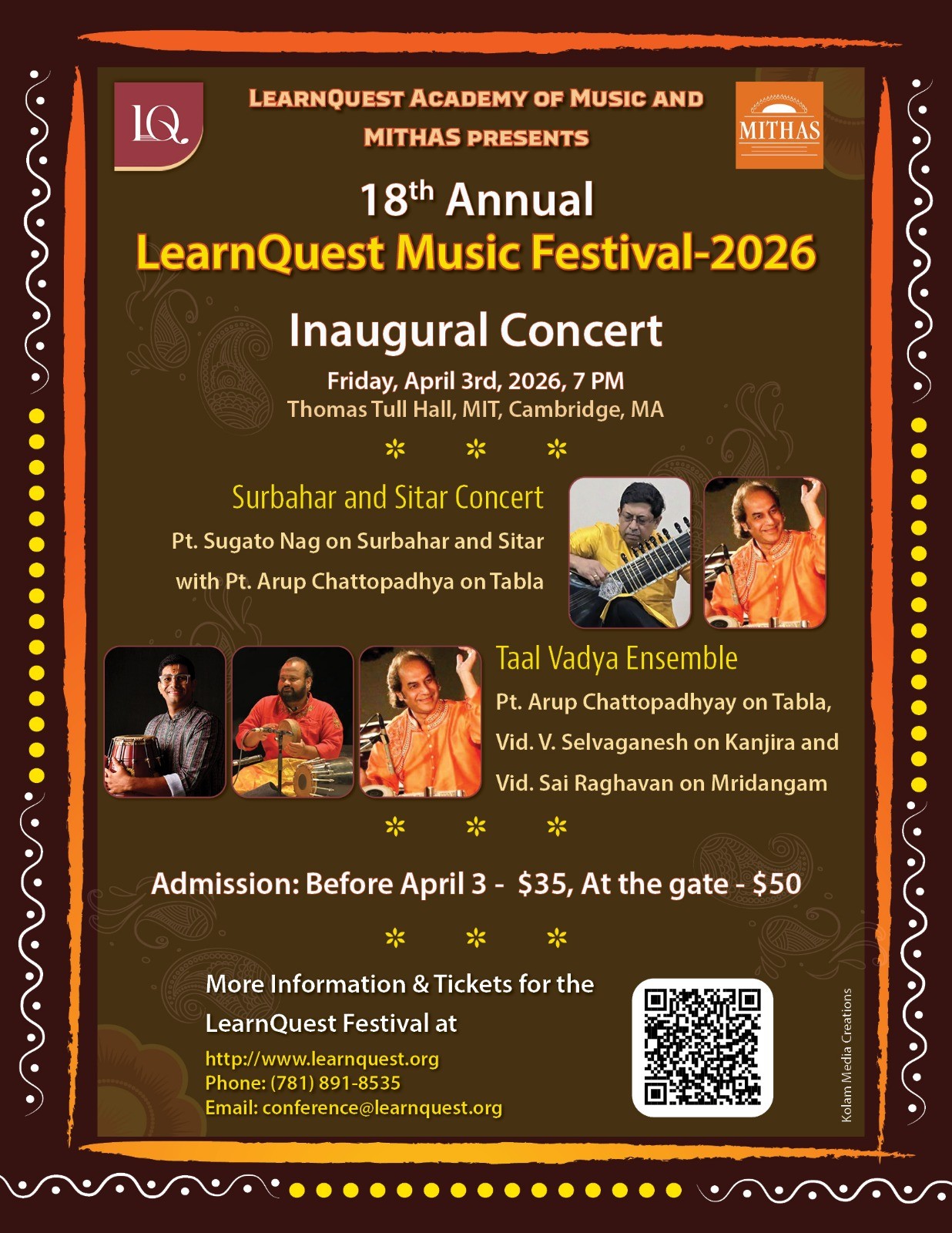
Thus, the presentation of the surbahar at the LearnQuest Annual Music Festival 2026 is of utter significance. LearnQuest has long enabled audiences to deeply engage with the living traditions of Indian classical music.
This year it offers Boston a rare opportunity to experience the surbahar in real-time for the first time at the festival. The instrument will be played by Pandit Sugato Nag, one of the leading exponents of both sitar and surbahar, whose artistry and musicality reflect heritage, grace and interpretive authority. Beyond just a concert, his rendition provides listeners a rare chance to witness one of the deepest voices of Hindustani music and its enduring influence on the present-day art form.