Shashi Tharoor Says India’s Democracy Withstood Gen Z Protests
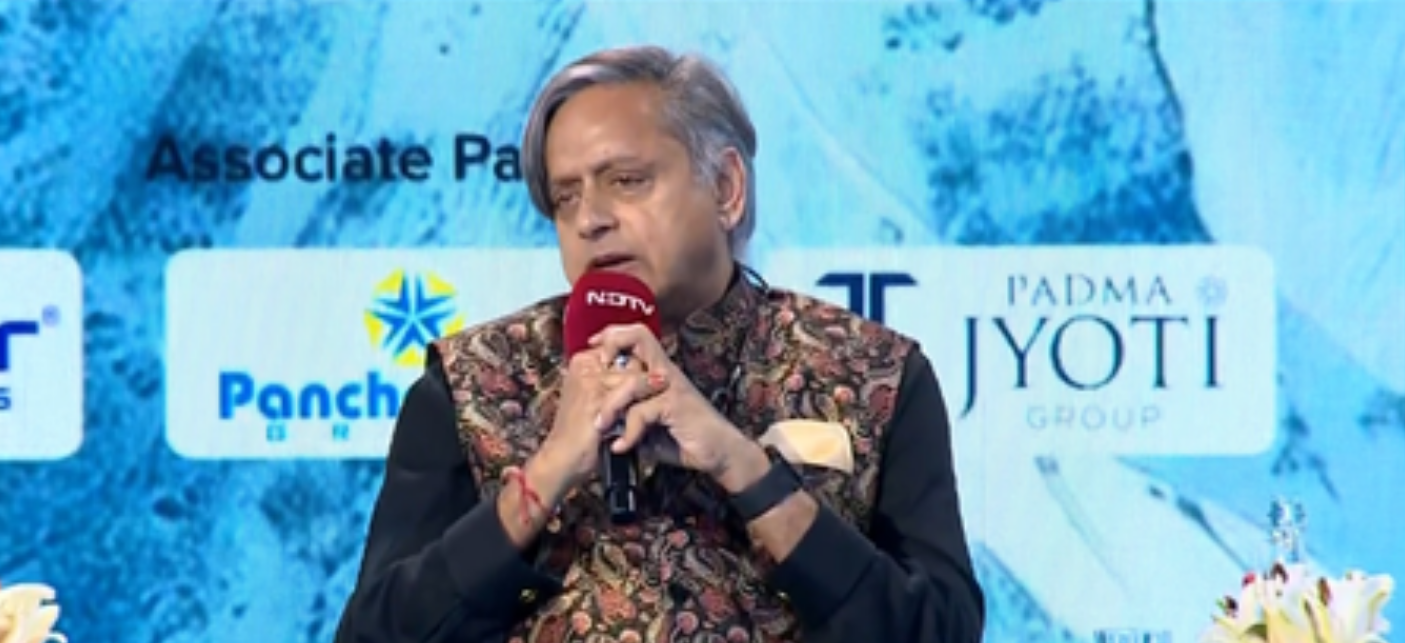

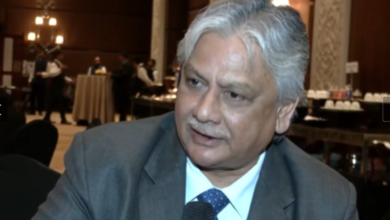
Kathmandu — Congress MP and former diplomat Shashi Tharoor on Thursday praised India’s democratic resilience, saying the country’s political system “bent, didn’t break” in response to recent protests led by young people.
Speaking at the NDTV World Anviksha Summit in Kathmandu, Tharoor compared how political systems across South Asia have responded to youth-led demonstrations over the past decade.
He said six major South Asian countries have faced significant protests involving younger generations in recent years.
“Starting with Myanmar protests in 2012, we then saw young people hitting the streets in Pakistan, Sri Lanka, Bangladesh, Nepal and recently in India,” Tharoor said, describing the movements as different expressions of Gen Z anger.
Tharoor said the outcomes largely depended on the nature of each country’s political system and how its leaders responded to unrest.
“The difference among them is of the political systems in these countries and how the political establishment responded and dealt with them,” he said.
In Bangladesh and Sri Lanka, Tharoor said existing governments were unable to contain the unrest and their leaders were forced from power. Nepal also experienced a change in government, although fresh elections were subsequently held and a new administration took office.
In Pakistan, Tharoor said the military intervened and installed what he described as a “puppet government,” while Myanmar ultimately experienced a full military takeover.
India, he argued, responded differently because of the strength and flexibility of its democratic institutions.
“In India, however, the mechanism is self-correcting. There is a democratic system which adapted itself to the new reality with astonishing speed,” Tharoor said.
He said India’s democratic framework allowed the concerns of young protesters to be heard and forced the government to respond without triggering the kind of political collapse seen elsewhere in the region.
Tharoor’s remarks came during a broader discussion at the summit about youth discontent, political instability and democratic resilience across South Asia. (Source: IANS)