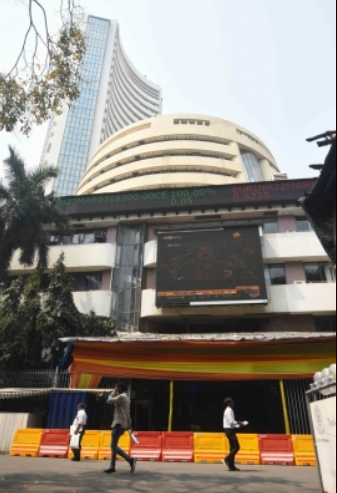
Rupee Rises for Second Straight Session as RBI Steps In

NEW DELHI, India — The Indian rupee strengthened for a second consecutive session on Monday, rebounding from record lows amid continued intervention by the Reserve Bank of India.
The currency opened 24 paise higher at 89.41 against the U.S. dollar, compared with its previous close of 89.65 on December 19.
Market participants said volatility remains elevated, with the rupee’s near-term direction closely tied to central bank intervention and movements in the global dollar. Analysts noted that sustained follow-through in RBI actions will be critical in determining whether the currency can build on its recent recovery.
Currency dealers said the 89.20 level has emerged as an important near-term threshold. A sustained move below this level could open the door for further appreciation toward the 88.50–88.30 range.
The rupee’s gains were also supported by an improvement in India’s external balance, including a narrower trade deficit in November, as well as renewed foreign portfolio investor interest in Indian equities, which reduced dollar demand.
On Friday, the rupee had surged 0.67 percent in a single session, briefly moving past the psychologically significant 90 level against the dollar before paring gains by the close. Despite the late pullback, it emerged as the best-performing currency among its Asian peers that day.
The currency had come under pressure in November due to sustained foreign institutional investor selling, even as domestic flows continued to support equity markets and bond yields firmed.
India’s merchandise trade deficit narrowed sharply to $24.5 billion in November, compared with $42 billion in October, helping stabilize the country’s external position. A continued surplus in services trade also helped cushion the overall balance, according to analysts.
Foreign portfolio investors were net sellers in nine of the 11 trading sessions so far in December, contributing to ongoing volatility in currency markets.
In a recent report, Bank of Baroda said the rupee is likely to remain volatile until clarity emerges on a potential trade agreement with the United States, which could be reached by March 2026. The bank noted that foreign portfolio flows, RBI spot market interventions and activity in the forward markets play a significant role in explaining day-to-day currency movements.
The report added that while current-account flows such as IT services receipts and remittances, along with capital flows including foreign direct investment and external commercial borrowings, influence the rupee, these are not captured on a daily basis, limiting their immediate linkage to exchange rate movements. (Source: IANS)