Report Details Alleged Abduction and Forced Conversion of Christian Woman in Pakistan
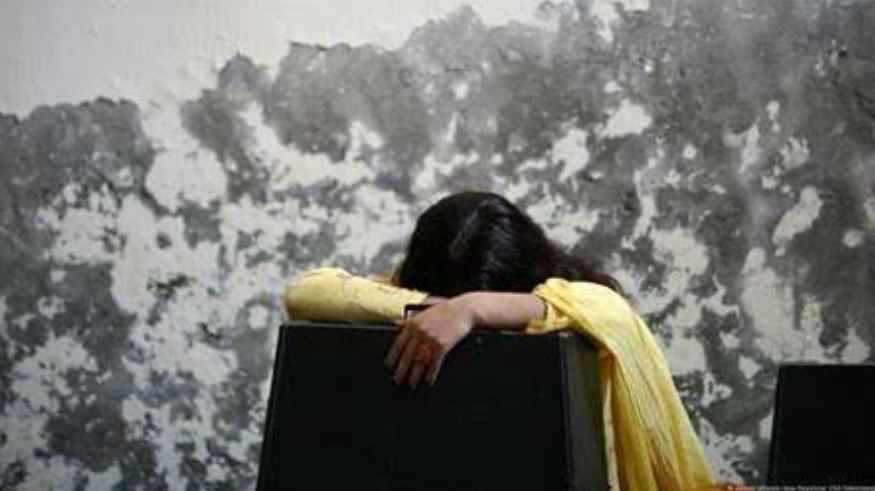

ISLAMABAD, Pakistan — A 21-year-old Christian woman from Rawalpindi was allegedly abducted from her home last November and forcibly converted to Islam, according to a report that has renewed concerns over the treatment of religious minority girls in Pakistan.
The woman, identified as Monica Jennifer, later told a local court that she had converted to Islam and married her next-door neighbor. Her family, however, disputed that account, telling Pakistan Christian Post that she was abducted and coerced into converting. Protestant pastor Imran Amanat said the case reflects a broader pattern of vulnerability faced by Christian girls in the country.
“They are not safe, even though the law prohibits underage marriages and court marriages without parental consent,” Amanat said. “Yet some extremists exploit Islamic Sharia to justify these actions,” he added, as quoted by Australia-based publication The Catholic Weekly.
Pakistani authorities have often dismissed such accounts as propaganda. However, a recent report by Pakistan’s National Commission on the Rights of the Child, titled Children from Minority Religions in Pakistan, lends weight to concerns raised by minority advocates. The report notes that about four percent of Pakistan’s population belongs to minority religions, primarily Christians and Hindus, and documents widespread discrimination.
According to the commission’s findings, children from minority communities face systemic bias, including discrimination by classmates and teachers and school curricula that reinforce religious prejudice. Many drop out of school as a result. The report identifies forced conversions as “the most concerning issue,” particularly involving young girls.
The report said girls, often minors, are abducted and pressured into converting to Islam, followed by forced marriages to older men. Such cases are reported most frequently in Sindh province and parts of southern Punjab, where many religious minorities reside.
“Once abducted, the girls are subjected to pressure, threats, and sometimes violence, forcing them to renounce their faith,” the report said. It added that weak law enforcement and societal bias often leave victims without protection, while courts sometimes accept claims that conversions were voluntary despite evidence of coercion.
The United Nations has repeatedly criticized Pakistan over forced religious conversions, but the report said the government’s failure to fully implement previous recommendations has allowed the practice to continue.
Last month, a minority rights organization raised concerns about the Pir Sarhandi shrine in Pakistan’s Umerkot region, alleging it has become a major center for the forced conversion of Hindu girls and women in Sindh, particularly those from poor and lower-caste communities.
The group said Hindu families from indigenous communities such as the Bheel, Meghwar, and Kohli have long accused the shrine of involvement in abductions, coercion, and forced conversions of their daughters, many of whom are minors aged between 12 and 15.
“In a region where Hindus make up over 50 percent of the population, the Sarhandi shrine has become a symbol of fear for minority families,” the organization said in a social media post, adding that many parents now believe any daughter who leaves home is at risk of never returning.
The rights body also alleged that clerics associated with the shrine have openly claimed responsibility for thousands of conversions, most involving Hindu girls. According to the group, the conversions often follow a similar pattern in which a girl disappears and later reappears at the shrine, already converted and married, without proper age verification or consent.
Critics have also pointed to the shrine’s madrassa as facilitating rapid conversion ceremonies, saying the speed of the process provides legal cover before families can intervene. (Source: IANS)