Pakistan’s Lahore ranked world’s most polluted city
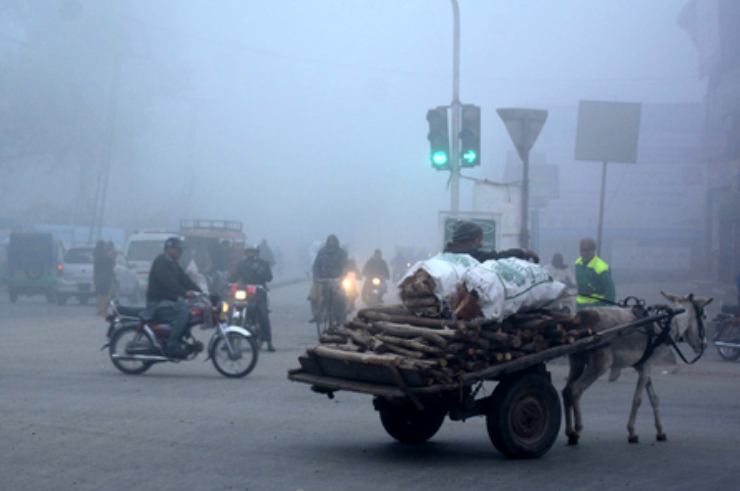

ISLAMABAD, Pakistan — Lahore has been ranked at the top of global pollution charts with an Air Quality Index (AQI) exceeding 300, according to Swiss air quality monitor IQAir, which reported that extremely unhygienic and polluted air persists across several Pakistani cities.
Lahore, with an AQI of 353, placed first among the world’s most polluted cities. Within Pakistan, Quetta registered an AQI of 517 in the morning, making it the most polluted city in the country at that time.
Air quality was deemed unhealthy in Rahim Yar Khan, Gujranwala and Faisalabad, while thick fog blanketed the plains of Khyber Pakhtunkhwa and southern Punjab, sharply reducing visibility on highways, Pakistan-based ARY News reported. Several sections of motorways were closed as a result.
Lahore has faced recurring smog episodes, including several days in 2024 when the city was covered by a dense mixture of fog and pollutants from low-grade diesel emissions, seasonal agricultural burning and cooling temperatures. At one point, air pollution levels rose to more than 80 times the upper hygienic limit set by the World Health Organization.
Environmental vulnerabilities in Pakistan remain severe. A November report noted that the country, which ranks 168th on the Human Development Index with a score of 0.544 and 15th on the Climate Risk Index 2026, continues to face deep socio-economic and climate-related challenges. These include intensified rainfall in catchment regions that accelerates siltation in major dams, reducing water storage capacity and raising flood risks.
Rising temperatures have also increased heat and water stress in arid and semi-arid regions, affecting agricultural productivity. Meanwhile, smog from transport, industry and agriculture disrupts aviation, reduces visibility and contributes to respiratory illnesses.
In an analysis published in The Diplomat, climate and energy expert Abdul Waheed Bhutto wrote that Pakistan’s limited forest cover is shrinking, while coastal ecosystems in the Indus Delta are threatened by saline water intrusion that harms mangroves, fisheries and farmland. Bhutto warned that rising sea levels, increasing cyclonic activity and intensifying disputes over water sharing further expose Pakistan to climate-induced migration and public health crises.
The Indus Basin is also under severe stress due to over-extraction and climate change. NASA ranked it the world’s second-most overstressed aquifer in 2015, cautioning that continued groundwater depletion could worsen regional water shortages.
Major urban centers including Lahore, Karachi and Islamabad continue to endure persistent and hazardous smog, while economic losses from extreme weather events compound the pressures facing the country. (Source: IANS)