Pakistan’s $10-Billion US Support Request Raises Questions Over Economic Relief, Strategic Costs
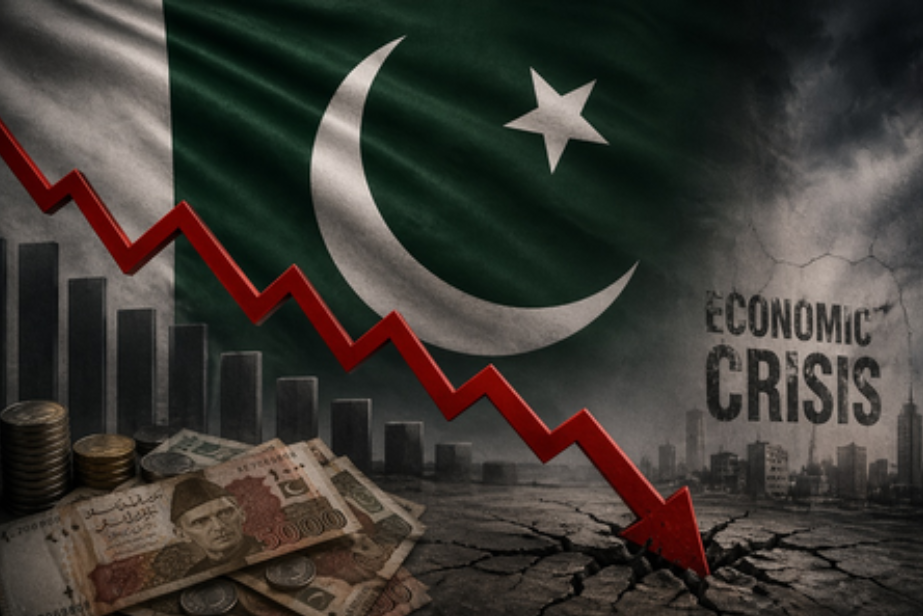

NEW DELHI— Pakistan’s reported request for a $10-billion support facility from the US Exchange Stabilization Fund (ESF) has triggered debate over whether the proposed assistance would provide lasting economic relief or deepen Islamabad’s dependence on external partners.
According to an analysis by the Committee for the Cancellation of the Third World Debt (CADTM), Pakistan has sought a Bilateral Exchange Stabilization Support Facility from the US Treasury’s ESF.
The proposal has drawn comparisons with a $20-billion currency swap framework extended by the US to Argentina in 2025, the report said.
However, the significance of Pakistan’s request extends beyond immediate financial support, with the proposed facility potentially giving Washington additional leverage in its dealings with Islamabad.
“The facility looks like technical liquidity support on paper, but it functions as a point of leverage the US could deploy in future negotiations — over trade terms, China policy or other strategic and regional questions,” the report said.
The analysis argued that while US financial backing could reassure investors and credit-rating agencies, it may not address Pakistan’s underlying structural economic problems.
The proposed arrangement was described in the report as “borrowed dollars as geopolitical rent”, reflecting concerns that emergency external financing could provide temporary relief without resolving the country’s longer-term economic vulnerabilities.
Pakistan’s request comes as the country continues to face pressure on its external finances and foreign exchange reserves.
Earlier this year, Pakistan repaid about $3.5 billion in deposits to the United Arab Emirates and subsequently secured a $3-billion deposit commitment from Saudi Arabia to support its foreign exchange reserves.
“Pakistan’s borrowing habits make this episode unsurprising. The current government is desperate to pull more dollars into the system,” the report said.
It also noted reports that Islamabad is in discussions with Saudi Arabia for a further $6.7-billion oil facility over 15 years.
The latest request therefore comes against the backdrop of Pakistan’s long-standing reliance on financial assistance, deposits, loans and other forms of support from foreign partners during periods of economic stress.
While additional liquidity could help ease near-term pressure on the country’s balance of payments and foreign exchange position, questions remain over whether such arrangements can translate into sustainable economic stability.
The CADTM analysis suggested that continued reliance on external financing risks postponing rather than resolving Pakistan’s structural economic challenges.
The proposed US facility could consequently have implications extending beyond Pakistan’s immediate financial needs, particularly if Washington links economic support to broader strategic considerations involving trade, regional security or Islamabad’s relationship with China. (Source: IANS)