
BOSTON — The LearnQuest Academy of Music has assembled a distinguished group of Hindustani instrumentalists for the 18th Annual LearnQuest Music Festival, scheduled for April 3–5, 2026 at venues including MIT’s Thomas Tull Hall and Regis College, Weston, MA.
While the festival is known for presenting both Carnatic and Hindustani traditions, the Hindustani segment offers audiences a compelling exploration of melodic improvisation, rhythmic dialogue, and gharana-based lineage that have shaped North Indian classical music for centuries.
The 2026 lineup features a remarkable range of artists — Sudhir Nayak, Purbayan Chatterjee, Sugato Nag, Arup Chattopadhyay, Rupak Kulkarni, Amit Kavthekar, Yogeesh Bhat — each representing distinctive approaches to their instruments while remaining deeply rooted in classical tradition.
Together, they embody the rich diversity of the Hindustani idiom, where raga unfolds gradually through improvisation and rhythm becomes a powerful vehicle for interaction and expression.
Below is a closer look at the artists who will bring these traditions to the festival stage.
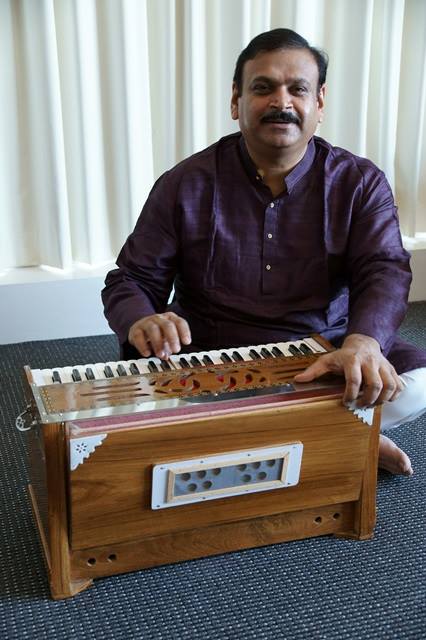
Sudhir Nayak
Harmonium maestro Sudhir Nayak is admired for his nuanced accompaniment and his deep understanding of the Hindustani vocal tradition.
A disciple of the renowned harmonium virtuoso Tulsidas Borkar, Nayak also trained in Hindustani vocal music under composer and vocalist Jitendra Abhisheki.
He has accompanied numerous stalwarts of Indian classical music and performed at historic events including the Golden Jubilee celebration of India’s Independence, where he performed with the legendary vocalist Bhimsen Joshi at the Central Hall of the Parliament of India.
Beyond performance, Nayak has championed the preservation of the harmonium’s legacy. His personal collection of vintage instruments has been featured in exhibitions and will form part of the upcoming Harmonium Museum at Kala Coast: Global Music and Arts Village near Udupi.
As the LearnQuest Music Festival continues to grow as a global platform for Indian classical music, the 2026 Hindustani instrumental lineup promises a compelling journey through melody, rhythm, and improvisation.
From the meditative tones of the bansuri and sitar to the dynamic interplay of tabla and harmonium, these artists will bring the living tradition of Hindustani music to audiences in New England — reaffirming the festival’s role as a vibrant meeting ground for classical artistry and cultural exchange.
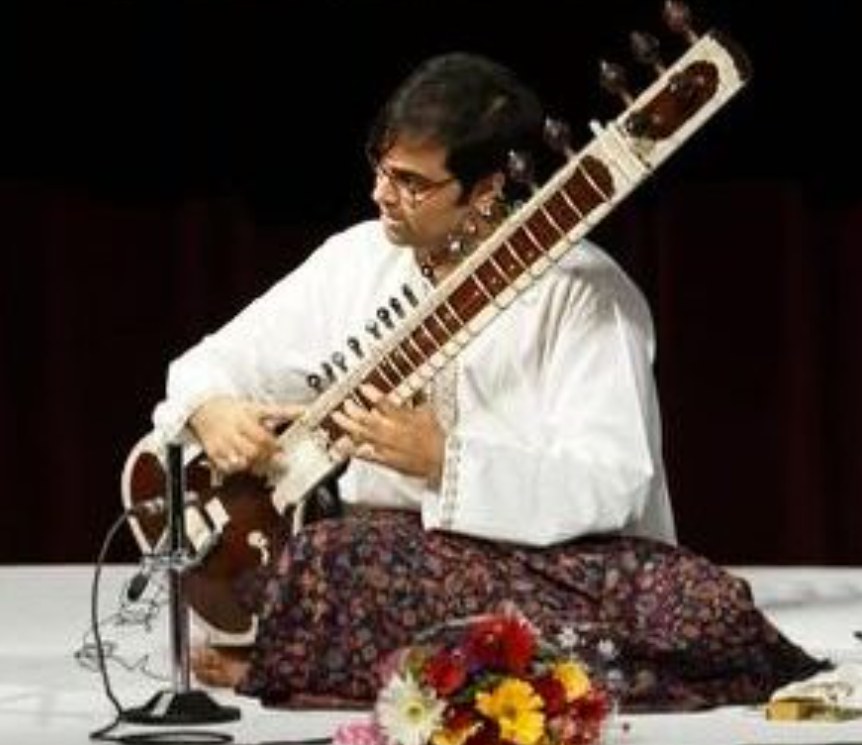
Purbayan Chatterjee
Among the most widely recognized sitar virtuosos of contemporary Indian classical music, Purbayan Chatterjee has earned acclaim for his technical brilliance and deeply expressive musicality.
Over a career spanning decades, Chatterjee has captivated audiences around the world with performances that seamlessly blend traditional raga exposition with a modern sensibility. His profound understanding of the sitar allows him to explore a wide emotional palette, from meditative alap passages to dazzling rhythmic improvisations.
Celebrated for his ability to bridge classical and contemporary audiences, Chatterjee has collaborated with musicians across genres while remaining firmly anchored in the rich tradition of Hindustani music.
Sugato Nag
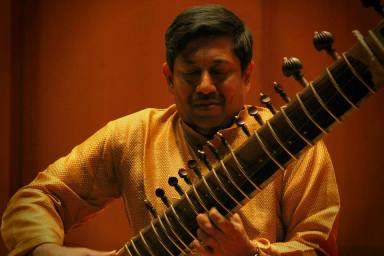
Sitarist Sugato Nag represents a fascinating confluence of traditions shaped by the Shahjahanpur and Etawah gharanas, bringing both melodic elegance and rhythmic intricacy to his performances.
Nag began his musical training under Shri Anil Roychoudhuri, a senior disciple of the legendary Radhika Mohan Moitra, and later continued his taalim under Moitra himself. His musical journey was further shaped through close association with sarod maestro Buddhadev Dasgupta.
Over the years, he has performed widely across India and internationally at major institutions including the Sangeet Research Academy and the renowned Dover Lane Music Conference.
Based in Kolkata, Nag continues to teach and mentor students while carrying forward the stylistic traditions of his gharana.
Arup Chattopadhyay
Tabla artist Arup Chattopadhyay is widely regarded as one of the outstanding percussionists of his generation, admired for his precision, sensitivity, and rhythmic command.
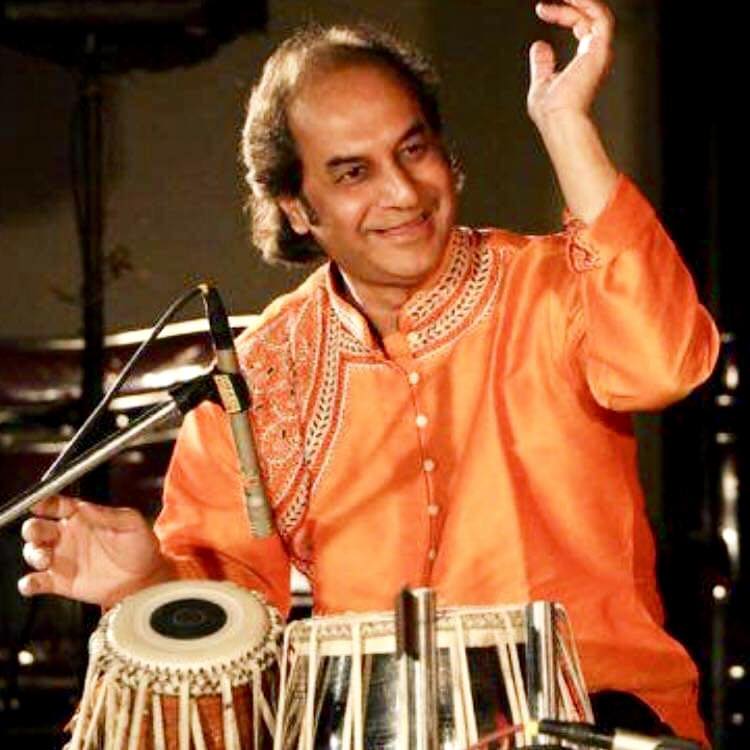
Initially trained by his father, the eminent tabla player Shri Pankaj Chattopadhyay, Arup later became a premier disciple of the renowned maestro Shankar Ghosh of the Farrukhabad gharana. An affiliated artist with All India Radio and Doordarshan, he has accompanied many leading figures in Indian classical music including Ravi Shankar, Rajan Mishra and Sajan Mishra, Ajoy Chakrabarty, and Vishwa Mohan Bhatt.
Since 1997, Chattopadhyay has toured extensively with sitarist Kartik Seshadri across the United States, Canada, and India, earning praise for both his solo artistry and sensitive accompaniment.
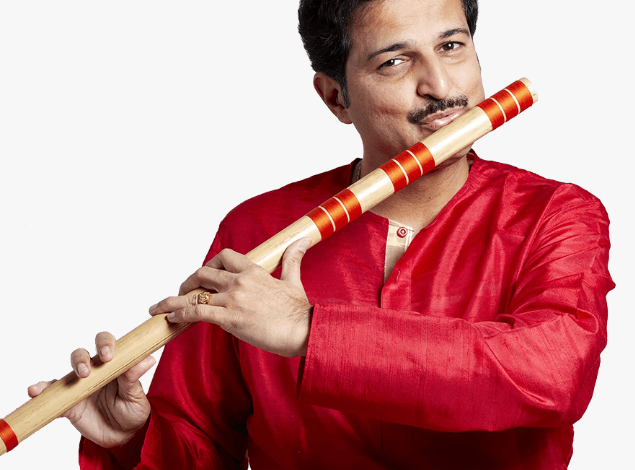
Pandit Rupak Kulkarni
Bansuri maestro Pandit Rupak Kulkarni stands among the leading flautists of his generation, carrying forward the legacy of the Maihar gharana through rigorous training and expressive innovation.
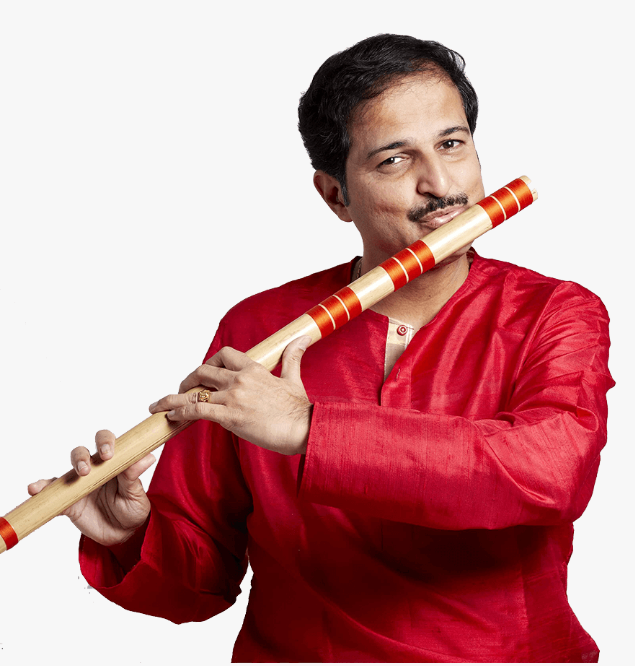
A child prodigy who began his musical journey under his father, the late Malhar Rao Kulkarni, Rupak later trained under the legendary flautist Hariprasad Chaurasia, becoming his first ganda-bandh disciple at the age of nine.
Kulkarni’s performances are known for their lyrical alap, intricate layakari, and dynamic tonguing techniques, blending elements of both dhrupad and khayal aesthetics. A top-grade artist with All India Radio, he has performed at major festivals worldwide including the Darbar Festival.
He currently heads the flute department at Chinmaya Vishwavidyapeeth in Pune and founded the Pandit Rupak Kulkarni Music Foundation, promoting Indian classical music through education and digital initiatives such as the RupVenu flute compositions platform.
Amit Kavthekar
Tabla artist Amit Kavthekar carries forward a remarkable rhythmic lineage as a ganda-bandh disciple of the legendary Alla Rakha and a student of percussion icon Zakir Hussain.
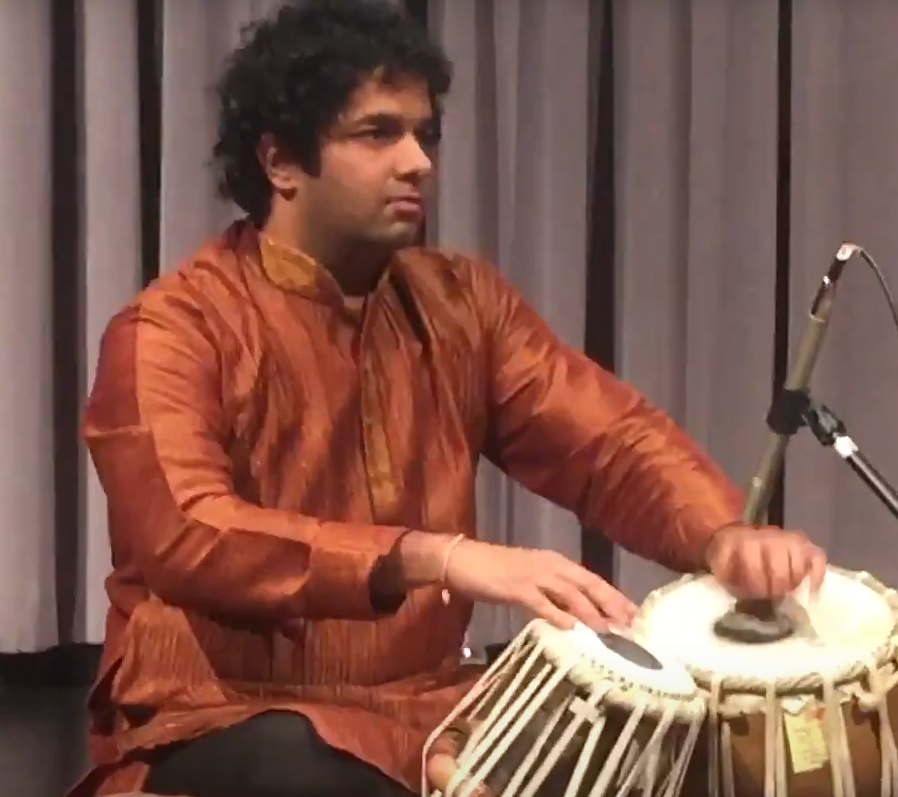
Beginning his training at the age of six, Kavthekar has gone on to perform with numerous distinguished artists including Amjad Ali Khan, Shahid Parvez Khan, Ashish Khan, and Jasraj.
His musical interests extend well beyond the classical stage. Kavthekar frequently collaborates with jazz, Western classical, and world music ensembles, including projects with guitarist Al Di Meola and the Purnalokha Quartet featuring members of the Turtle Island Quartet.
Currently based in Massachusetts, he teaches tabla and conducts workshops and masterclasses at universities across the United States.
Yogeesh Bhat
Tabla artist Yogeesh Bhat represents the emerging generation of Indian classical percussionists, known for his thoughtful accompaniment and energetic solo performances. Born into a music-loving family in Karnataka, Bhat began studying tabla at the age of four under Vidwan Bhaskar Hegde Muttige and later trained with Pt. Madivalayya Sali. He currently receives advanced guidance from internationally renowned tabla maestro Pt. Ravindra Yavagal and Sri Kiran Yavagal.
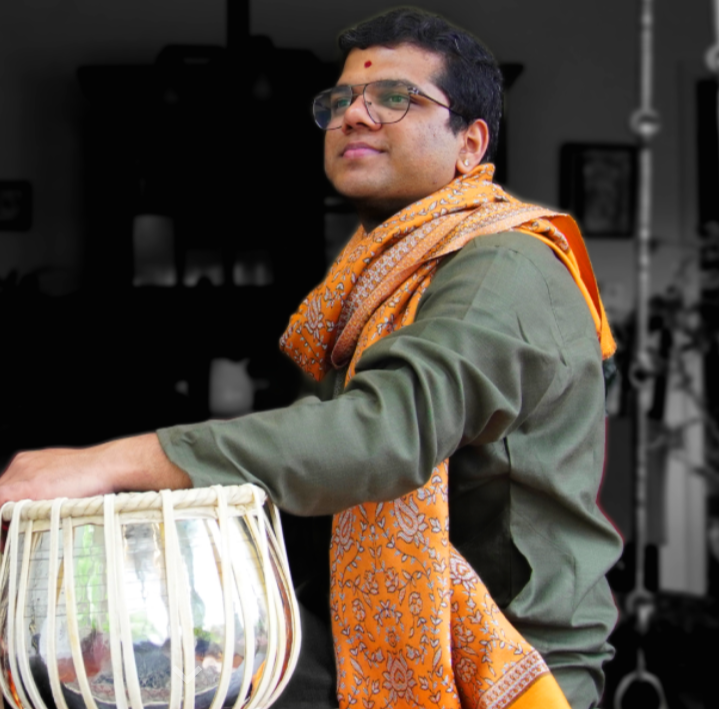
In addition to Hindustani percussion, Bhat has explored Carnatic rhythmic systems, studying the Carnatic tala framework under Vidwan K. U. Jayachandra Rao. His interest in cross-genre collaboration has also led him to experiment with fusion and interdisciplinary musical projects.