Lawmakers Push to Exempt Doctors From Proposed $100,000 H-1B Visa Fee
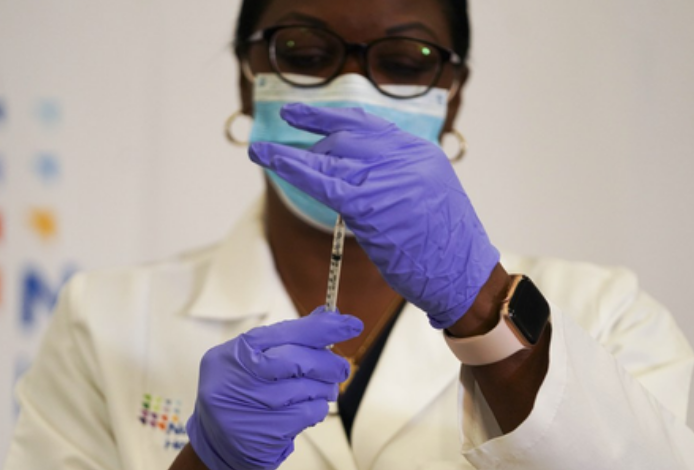

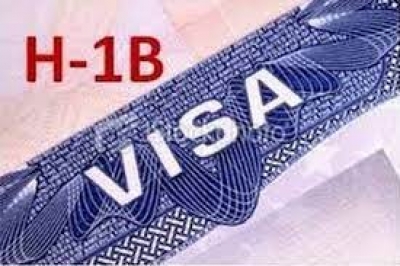
WASHINGTON — A bipartisan group of lawmakers is seeking to exempt physicians and other healthcare workers from a proposed $100,000 H-1B visa fee, warning that the cost could worsen workforce shortages and limit access to care across the United States.
The legislation, titled the “H-1Bs for Physicians and the Healthcare Workforce Act,” aims to remove financial barriers for hospitals and health systems that depend on foreign-trained medical professionals, particularly in rural and underserved communities.
“Healthcare access starts with having enough doctors and medical professionals to serve our communities,” said Rep. Maria Elvira Salazar. “As our nation faces a growing physician shortage, we must ensure that steep fees do not stand in the way of hospitals bringing in the medical talent American patients depend on.”
Lawmakers said the proposed fee, introduced under a presidential proclamation, could effectively price many healthcare employers out of the H-1B visa program.
“As detailed in President Trump’s proclamation putting this fee in place, it is certainly in the national interest to exempt healthcare workers,” said Rep. Mike Lawler. “Hospitals, community health centers, and other critical facilities are facing serious workforce shortages that threaten access to care. And they can’t pay a $100,000 price tag on new immigrant workers.”
Without an exemption, he added, “the physicians and the wider healthcare workforce would effectively be shut out of the H-1B program, furthering workforce shortages and limiting care options.”
Rep. Yvette Clarke emphasized the essential role immigrant professionals play in the healthcare system.
“Immigrant Americans remain indispensable assets to keeping our hospitals and health systems running steadily, efficiently, and effectively,” she said. “The bipartisan willingness to ensure migrant health care workers are exempted from the $100,000 fee for H-1B petitions stands as a testament to the widely accepted value and necessity of these workers.”
Rep. Sanford Bishop said the proposed fee would disproportionately affect rural providers already struggling to recruit staff.
“The $100,000 H1-B filing fee adds insult to injury to hospitals, especially in rural areas,” he said. “The fee will have a detrimental impact on their ability to recruit qualified health care professionals to some of the nation’s most underserved areas.”
Lawmakers pointed to federal data showing that nearly 87 million Americans live in areas facing shortages of healthcare providers, underscoring the urgency of the issue.
Medical organizations and hospital groups have also voiced support for the bill, saying international medical graduates are critical to maintaining patient access.
“Patients across the country are feeling the effects of the growing physician shortage,” said Bobby Mukkamala, President of the American Medical Association. “In many such communities, international medical graduates play an important role in providing care and ensuring patients can see a doctor when they need one.”
Dr. Ram Alur of Physicians for American Healthcare Access warned that the proposed fee could weaken the pipeline of doctors to high-need areas.
“The $100,000 H-1B fee could undermine the physician pipeline to the places that need it most, including rural communities, underserved areas, and safety-net hospitals,” he said.
Carey Goryl of the Association for Advancing Physician and Provider Recruitment said the fee “poses a serious challenge to provider recruitment at a time when demand for physicians and other health care professionals continues to grow.”
Hospital groups say the legislation would help preserve staffing levels and ensure continued access to care nationwide, particularly in regions already facing critical shortages. (Source: IANS)