India’s Influence Seen as Structural Force in Global South Diplomacy
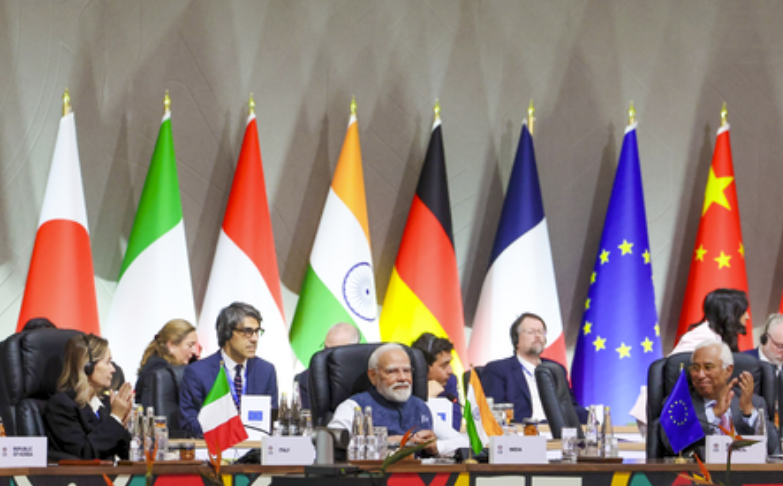

JOHANNESBURG, South Africa– India’s influence was widely felt at the recently concluded G20 Summit in South Africa, where analysts and delegates said the country’s imprint on the outcomes was unmistakable, particularly in the growing presence and confidence of African nations.
A report published by South Africa’s Independent Online (IOL) noted that priorities highlighted at the Johannesburg meetings — from debt reform to digital public infrastructure — showed clear continuity from India’s 2023 G20 presidency and underscored the rising prominence of the Global South in shaping global governance.
According to the report, India’s role was most evident in the African Union’s participation as a permanent G20 member for the first time at a Summit hosted on the continent. Several leaders said the AU’s elevation would not have been possible without India’s diplomatic push during its presidency last year.
The shift has strengthened Africa’s voice on issues including development, trade, and industrialization. South Africa’s decision to host the Summit under the theme of inclusive growth and global reform drew directly from India’s earlier agenda. Officials pointed to shared priorities such as food security, climate resilience, digital transformation, and a more equitable global financial system.
Digital infrastructure emerged as a major area of alignment. African policymakers expressed interest in India’s digital identity and real-time payments systems as models for low-cost, inclusive technology. Several delegations discussed expanding collaboration with Indian institutions on digital public goods, especially following India’s establishment of an Indian Institute of Technology campus in Zanzibar. Leaders said such initiatives support Africa’s Agenda 2063 goals in technology, education, and workforce development.
Debt sustainability, a significant challenge for many African nations, also featured prominently. India and South Africa jointly advocated for more transparent sovereign debt restructuring, fairer credit assessments, and lower barriers to long-term financing for developing countries. Delegates told IOL that the unified stance helped mainstream Global South concerns and brought attention to the financial constraints limiting investment in energy, health, education, and infrastructure.
India’s push for reforms within the World Trade Organization to improve representation of developing nations won strong backing from African countries. The India-Brazil-South Africa dialogue held on the Summit’s sidelines further highlighted the emergence of coordinated South-South leadership.
As the Summit concluded, observers said India’s role has evolved from that of a supportive partner to a structural force in Global South diplomacy. With India, Brazil, and South Africa holding consecutive G20 presidencies, many see this period as a turning point in which developing nations not only participate in global decision-making but help define its direction. (Source: IANS)