
Indian Study Highlights Role of Freshwater Sponges in Tackling Toxic Metal Pollution

NEW DELHI, India — Scientists from the Bose Institute have identified freshwater sponges from the Sundarban delta as promising natural tools for monitoring and reducing toxic metal pollution, according to a new study examining their associated microbial communities.
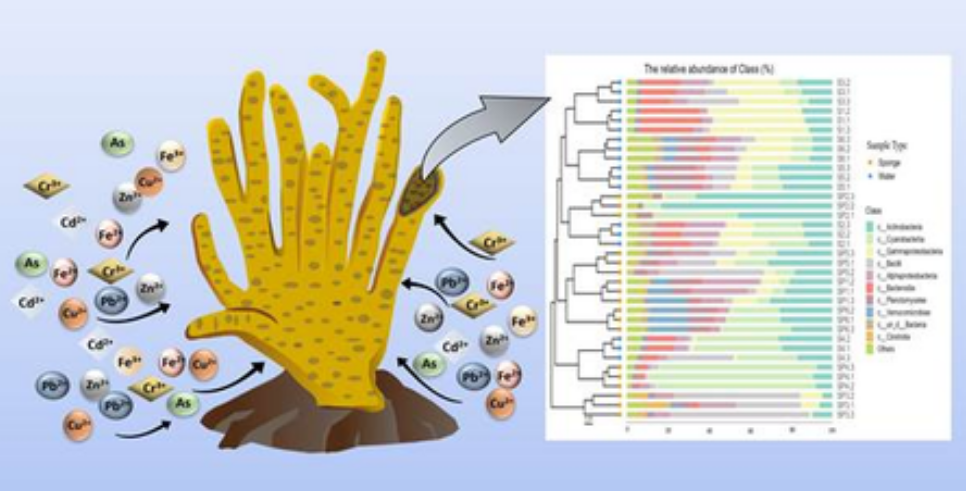
The research shows that freshwater sponges, which host diverse and ecologically important microbes, can act both as bioindicators of pollution and as absorbents of heavy metals such as arsenic, lead, and cadmium. The findings suggest the organisms could play a valuable role in bioremediation as pollution increasingly threatens aquatic ecosystems.
Freshwater sponges are among the earliest multicellular eukaryotes and are known for filtering large volumes of water, making them critical to ecosystem health. In the study, scientists led by Dr. Abhrajyoti Ghosh from the Bose Institute’s Department of Biological Sciences analyzed sponges collected from the Sundarban delta.
The team found that sponge-associated microbial communities were distinctly different from microbes present in the surrounding water, with their composition shaped by sponge species and habitat. These microbes were shown to play a key ecological role in detoxifying polluted water and supporting ecosystem stability.
The study, published in the journal Microbiology Spectrum by the American Society for Microbiology, revealed that freshwater sponges accumulate significantly higher concentrations of toxic metals than their environment. This strong bioaccumulation capacity highlights their potential usefulness in addressing widespread heavy metal contamination across the Gangetic plain.
Beyond absorbing metals, the research found that sponge-associated bacteria are enriched with genes linked to metal ion transport, metal resistance, and antimicrobial resistance. These genetic traits suggest the microbes not only survive in polluted environments but actively contribute to detoxification and stress resistance.
“These adaptive features indicate that bacterial symbionts do more than endure harsh conditions — they actively help detoxify metal-contaminated habitats,” the researchers said. The findings underscore the ecological importance of sponge-microbe partnerships and reinforce the role of freshwater sponges as effective indicators for monitoring water quality in estuarine and freshwater systems.
The researchers said the work expands scientific understanding of sponge microbial ecology and opens new possibilities for sustainable water quality management and bioremediation strategies. (Source: IANS)