Declassified 1971 Tapes Show U.S. Refused to Condemn Pakistan Despite Genocide Warnings

WASHINGTON — Newly surfaced transcripts from 1971 reveal that the United States declined to condemn Pakistan’s military crackdown in East Pakistan, even after receiving internal warnings of possible “genocide” from its own diplomats.
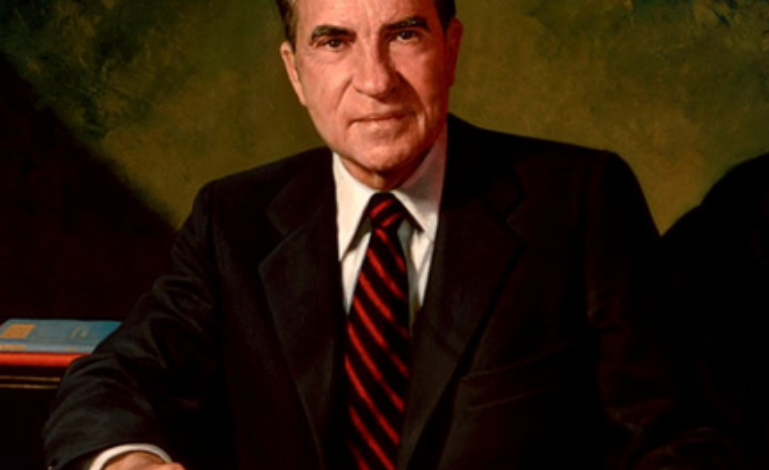
The documents capture a March 28, 1971 conversation between then-President Richard Nixon and National Security Adviser Henry Kissinger, in which Kissinger briefed Nixon on a dissent cable sent by U.S. Consul Archer Blood in Dacca. Blood had reported widespread killings of civilians and urged Washington to take a public stand.
“We’ve had a bleeding [bleating] cable from our Consul in Dacca who wants us to put out a statement condemning what the West Pakistanis are doing. But of course we won’t consider it,” Kissinger said, according to the transcript.
Nixon responded, “Oh for Christ’s sake.”
Kissinger then dismissed the diplomat, saying, “Well, he’s just one of these pansies.”
When Nixon asked, “And he says ‘condemning them?’” Kissinger replied: “Yeah, for genocide.”
Nixon then ordered action against the consul. “Well, now remove him. I want him out of the job,” he said.
The exchange shows a clear decision by the administration not to publicly criticize Pakistan’s actions. “I wouldn’t put out a statement praising it, but we’re not going to condemn it either,” Nixon said later in the conversation.
Kissinger also warned of potential backlash if the U.S. took a public stance. “If we do that we’re going to have anti-American riots in West Pakistan,” he said.
The transcripts appear in “The Kissinger Tapes,” a new book by historian Tom Wells released this month, based on hundreds of secretly recorded telephone conversations from Kissinger’s time in the Nixon administration between 1969 and 1974.
The material draws from thousands of pages of telephone transcripts that were recovered and declassified following a prolonged legal effort led by the National Security Archive. More than 15,000 pages were ultimately released in 2004.
Wells writes that the recordings provide “a panoramic view of his tenure in power” and offer insight into key policy decisions, including U.S. responses to human rights abuses by allied governments.
The 1971 dissent by Archer Blood, later known as the “Blood telegram,” remains one of the most notable protests by American diplomats against official U.S. policy. In the message, Blood urged Washington to take a moral stand against the violence in East Pakistan.
The crisis in East Pakistan ultimately led to the creation of Bangladesh after India intervened militarily later that year. Estimates suggest that hundreds of thousands, and possibly millions, of civilians were killed during the conflict. (Source: IANS)