
Author and Publisher Upendra Mishra Launches ‘After the Fall’ Video Series Based on His Book
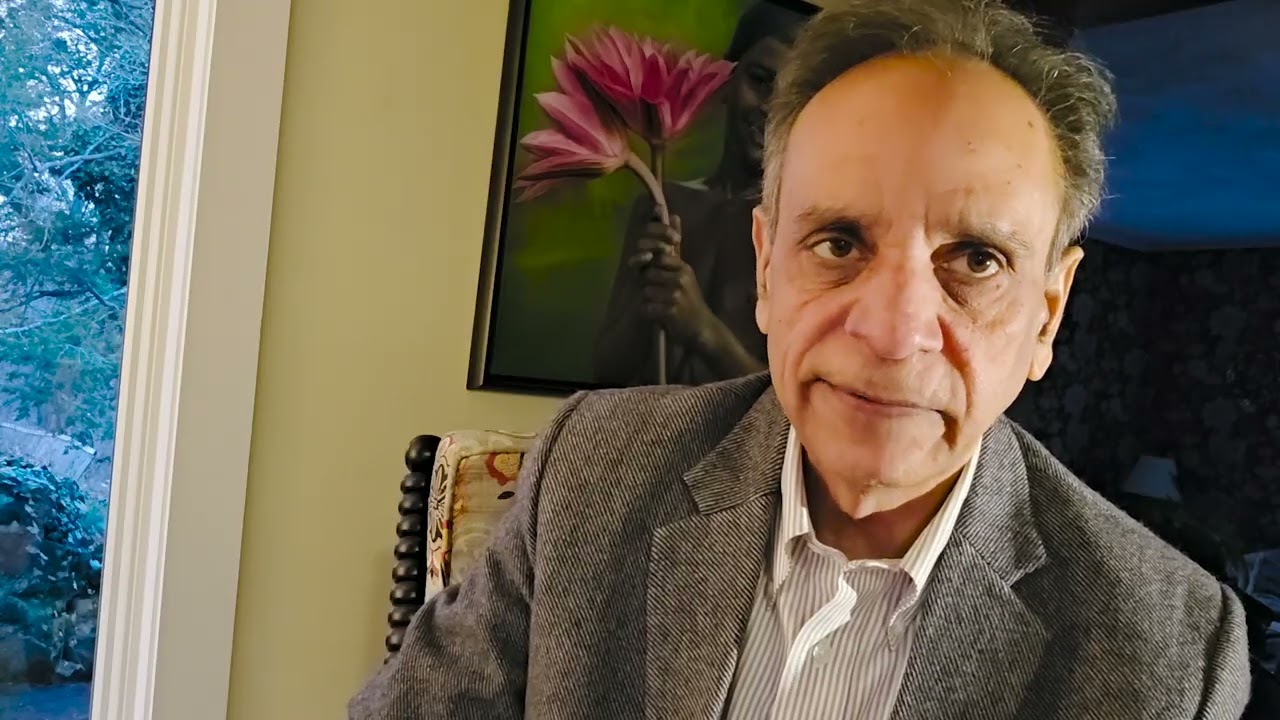

BOSTON–Author and publisher Upendra Mishra has launched a new video series titled After the Fall, adapted from his book of the same name. The series explores themes of identity, failure, self-reflection and inner transformation, offering viewers a contemplative journey into what follows personal and professional collapse.
Unlike conventional narratives centred on success, After the Fall shifts focus to the quieter, often unspoken moments that emerge when achievement and recognition lose their hold. The series begins where most stories end — after the climb, the applause and the carefully constructed identity start to unravel.
At the heart of the series is the story of Owen, a man who experiences repeated cycles of rise and fall in love, work and purpose. Each ascent brings hope, while every descent leaves behind confusion and unanswered questions. Over time, a recurring pattern emerges, forcing Owen to confront not how to rise again, but why the falling never seems to end.
The narrative reaches a turning point in March 2008, when Owen, with nothing left to chase, chooses stillness over escape. In silence, he makes a vow — not to reinvent himself, but to stop running from who he already is. This moment becomes the foundation of the After the Fall series.
Each episode delves into the quiet work that follows collapse, examining the differences between confidence and self-worth, ambition and alignment, control and truth. The series also reflects on the power of language, the courage to set boundaries, the fears that influence decisions, and the role of ego in shaping — and dismantling — identity.
Drawing from a wide range of influences, the series weaves together insights from Indian eastern scriptures, the writings of Marcus Aurelius, the psychological perspectives of Carl Jung, and lived personal experience. These voices appear not as definitive answers, but as companions guiding viewers back to a deeper understanding of the self beneath external noise.
The series also touches upon relationships and emotional connection through the presence of two women, Anaamika and Maria, whose roles offer reflection rather than rescue, and clarity rather than solutions.
According to Mishra, After the Fall is not a journey toward perfection, but a return to honesty. Healing, he suggests, is not a singular event but a rhythm, and peace is not achieved by rising higher, but by standing still long enough to see clearly.
Aimed at viewers navigating uncertainty, transition or quiet dissatisfaction with lives that no longer fit, After the Fall positions failure not as an endpoint, but as an invitation.
The video series will be released episodically, with the next episode expected soon.