Ajay Banga Makes Nuclear Energy World Bank Priority, US Treasury Secretary Says
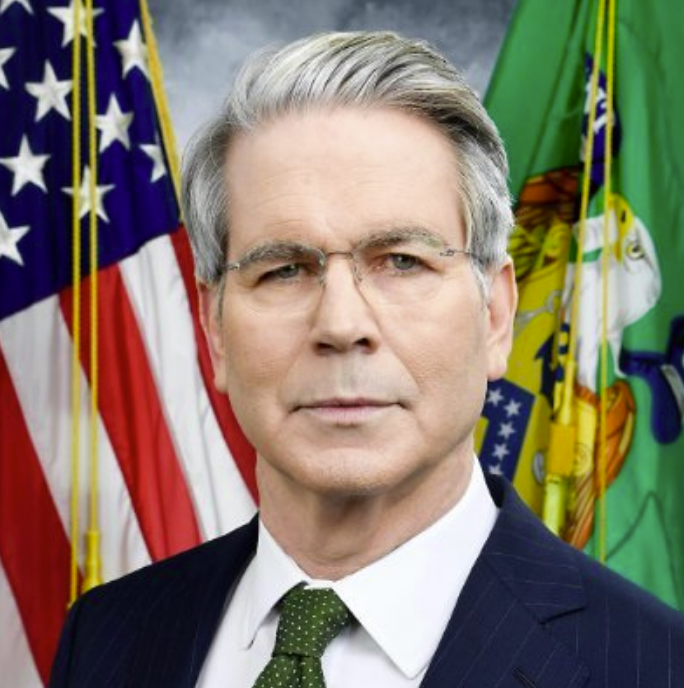

Washington — World Bank President Ajay Banga has made financing for nuclear energy a priority as the institution returns to the sector after decades, U.S. Treasury Secretary Scott Bessent told lawmakers.
The shift comes as the World Bank prepares to phase out lending to China by 2031 and direct more resources toward poorer countries that require development assistance.
“Mr. Banga, who heads the World Bank, we have made it clear to him that this is a priority,” Bessent told the House Financial Services Committee. “And indeed, he has adopted this as a priority.”
“This is the first time in decades that the World Bank has moved forward on nuclear energy,” he said.
Bessent said nuclear power could help poorer countries improve living standards, expand economic opportunities and secure sustainable sources of electricity.
“I think it is an important part for the poorest countries in engaging in their — in increasing their welfare levels and increasing their prosperity and developing truly sustainable energy,” he said.
The World Bank began returning to nuclear energy financing in June 2025 after years of avoiding the sector.
Committee Chairman French Hill said the institution had taken its first concrete step by reaching an agreement with the International Atomic Energy Agency.
The arrangement allows the bank to receive technical expertise from the U.N. nuclear watchdog, support existing reactors and examine the potential of small modular reactors.
“This year, we also saw the first contribution to a new Nuclear Energy Assistance Trust Fund at the bank, which I hope will see additional funds from the US Treasury going forward,” Hill said.
“Developing economies need access to reliable and affordable electricity to grow, making this exactly the kind of practical, pro-growth approach these institutions should fully embrace,” he added.
The committee had supported legislation encouraging the World Bank to reconsider its restrictions on nuclear financing. Republican Rep. John Rose said the change could provide developing countries with reliable, affordable and secure energy.
The World Bank’s renewed interest in nuclear power is taking place alongside a broader reassessment of how its development funds should be allocated.
Hill welcomed the World Bank’s decision to end financing for China by 2031, saying the world’s second-largest economy has substantial financial resources and has become a major international creditor.
“American taxpayers should not be backstopping Beijing and their ambitions at the World Bank,” Hill said. “That’s why the World Bank’s decision to phase out its lending to China by 2031 is an important step in the right direction.”
Hill said the World Bank should focus on reducing poverty and supporting economic growth in countries that need development assistance.
The committee also raised concerns about China’s role at the International Monetary Fund. Bessent said the IMF was holding advanced discussions with Beijing about economic imbalances and the potential risks they posed to global financial stability.
Banga, who was born in Pune, became World Bank president in June 2023. The Indian-American executive previously led Mastercard and has focused his World Bank tenure on employment, infrastructure, private investment and expanding reliable energy access in developing economies. (Source: IANS)