Trump Says US and India Are Close to Trade Deal, Signals Different Kind of Agreement
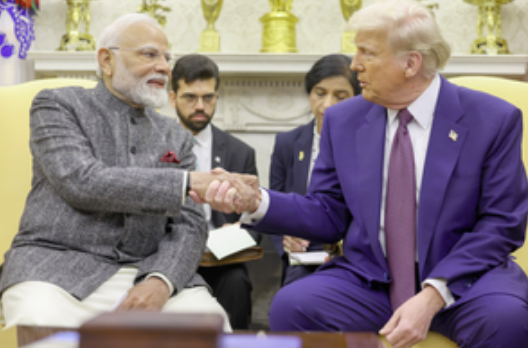

Washington — President Donald Trump said the United States and India are approaching a bilateral trade agreement, suggesting that a deal could be finalized soon while indicating that its terms would differ significantly from previous trade arrangements.
Speaking to reporters in the Oval Office alongside Vice President JD Vance, Trump expressed confidence that negotiations with New Delhi were nearing a conclusion.
“They want to make a deal. We’re going to make a deal pretty close,” Trump said when asked about the status of trade discussions between the two countries.
“Yeah, that’s going to be a much different kind of deal than we’ve made,” he added.
The president did not elaborate on how the proposed agreement would differ from previous trade deals or provide a timeline for its completion.
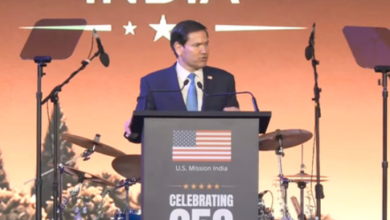
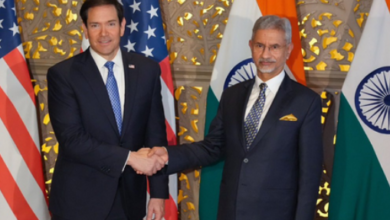
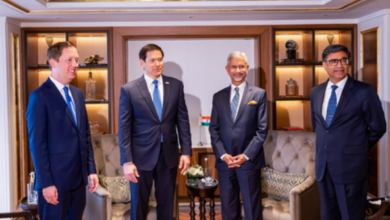
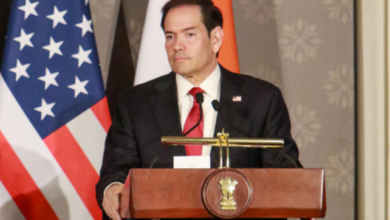
His remarks came as Secretary of State Marco Rubio visited India for discussions with External Affairs Minister S. Jaishankar, highlighting continued diplomatic engagement between Washington and New Delhi.
The comments add to indications of progress in negotiations that have drawn considerable attention from businesses, exporters and investors in both countries.
India and the United States have been working toward a bilateral trade agreement designed to expand market access, reduce trade barriers and address longstanding differences involving tariffs, agricultural products, industrial goods and regulatory requirements.
The negotiations have taken on greater importance under Trump’s second administration, which has placed tariffs and reciprocal trade arrangements at the center of its economic policy.
The administration has maintained that major trading partners should provide American businesses with greater access to their domestic markets while reducing restrictions on U.S. exports.
For India, the outcome could have significant implications for industries such as pharmaceuticals, textiles, engineering goods, electronics and information technology services.
American businesses are also seeking expanded opportunities in India’s growing consumer market and manufacturing sector.
Despite expressing optimism, Trump did not indicate whether negotiators had resolved disagreements over specific products, tariff reductions or market-access provisions.
He also did not announce any new investment commitments, trade concessions or implementation schedule.
The president made his comments during an Oval Office event focused primarily on combating fraud involving federal government programs.
Trump and Vance announced incentives intended to encourage individuals to report suspected misuse of taxpayer funds while discussing broader administration economic priorities.
During the event, Trump also addressed U.S. trade deficits with major partners, including Canada, Mexico and the European Union, arguing that his administration’s policies were reshaping longstanding commercial relationships.
He credited his tariff strategy with encouraging investment in American manufacturing and industrial facilities and presented the administration’s trade policies as part of its efforts to expand domestic production and employment.
Although Trump did not specifically address Indian tariffs or the bilateral trade balance during the exchange, his remarks about India came amid his broader push for new trade arrangements with major economic partners.
Washington and New Delhi have held months of discussions over a potential agreement, with trade and investment remaining central components of the broader bilateral relationship.
The two countries also maintain extensive cooperation in defense, technology, energy security and manufacturing.
The United States is among India’s largest trading partners, with commercial ties spanning goods, services, technology, pharmaceuticals and financial services.
While Trump’s latest comments signal continued momentum in the negotiations, the final terms and timing of a trade agreement remain unannounced. (Source: IANS)