Bipartisan U.S. Bill Seeks to Protect Work Program for International Students

WASHINGTON — U.S. lawmakers have introduced a bipartisan bill aimed at safeguarding a key work program for international students, seeking to retain foreign graduates — including thousands from India — amid intensifying global competition for skilled talent.
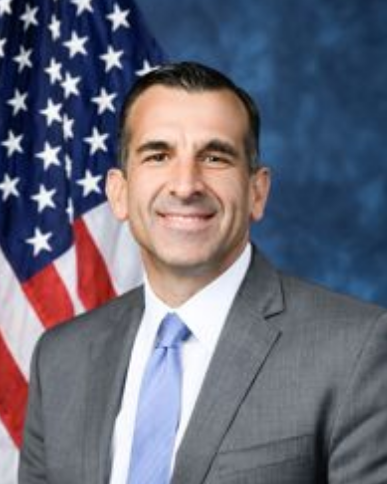
Representatives Sam Liccardo, Jay Obernolte, and Raja Krishnamoorthi unveiled the Keep Innovators in America Act, which would codify the Optional Practical Training (OPT) program into law and provide long-term certainty for students, universities, and employers.
The legislation proposes amendments to the Immigration and Nationality Act to formally allow international students to engage in practical training and employment authorization tied to their field of study, including after completing their degrees.
For more than three decades, administrations from both parties have maintained OPT through regulatory rulemaking. Lawmakers said enshrining the program in law would help prevent abrupt policy changes and ensure continuity.
“We have a choice: educate the best and brightest students in the U.S. to help America succeed, or send them home to China, India, and other rivals to launch companies to compete against us,” Liccardo said.
Obernolte said the bill would bring clarity and accountability to the program. “Codifying the Optional Practical Training program provides needed clarity and accountability for a program that allows students to gain practical experience in their field of study,” he said, adding that retaining talent is critical “at a time of intensifying global competition.”
The push comes after the Trump administration signaled in November that it could eliminate the OPT program, raising concerns that U.S.-trained talent could shift to competing economies.
International students play a major role in the U.S. economy. In the 2024–2025 academic year alone, they contributed $42.9 billion, supporting businesses, research institutions, and local communities.
The bill has drawn support from a broad coalition of industry groups, universities, and immigration advocates.
Jill Welch, executive director of the U.S. for Success Coalition, said Congress has “an opportunity to provide clarity and stability by codifying OPT and ensuring the United States remains the world’s leading destination for global talent.”
Linda Moore, president and CEO of TechNet, called the bill “a smart, bipartisan step to strengthen U.S. innovation and competitiveness,” adding that codifying OPT would provide “the long-term certainty that students, universities, and employers need.”
Todd Schulte, president of FWD.us, said allowing international students to work after graduation “is not just common sense, it is essential to our country’s long-term economic strength.”
Benjamin Johnson, executive director of the American Immigration Lawyers Association, described international students as “a cornerstone of America’s innovation pipeline and a powerful driver of local economies,” noting they contribute more than $40 billion annually and support hundreds of thousands of jobs.
Education groups said more than 290,000 international students participated in OPT during the 2024–2025 academic year, many in science, technology, engineering, and mathematics fields, helping address workforce shortages.
Industry leaders also emphasized the broader economic and national security implications. Jason Oxman, president and CEO of the Information Technology Industry Council, said the bill ensures “the best students continue to receive practical training and employment authorization to innovate in the U.S.—not abroad.”
Scott Corley, executive director of Compete America, said maintaining OPT is “an essential step toward keeping top talent in the United States and ensuring our economy, national security, and innovation ecosystem remain the strongest in the world.”
For India, the issue carries particular significance. Indian students are among the largest groups of international students in the United States, and many rely on OPT as a bridge between education and employment.
The program has long complemented the H-1B visa system by allowing graduates to gain work experience before transitioning to longer-term employment pathways. It is especially critical in STEM sectors, where U.S. employers continue to face persistent talent shortages.
In recent years, global competition for skilled workers has intensified, with countries such as Canada, the United Kingdom, and Australia expanding post-study work options to attract international students. (Source: IANS)